Inside Labubu’s Rise: Blind-Box Hype, Influencers, Resellers, Cultural Export
Labubu rose from Kasing Lung’s sketches to a global blind-box phenomenon after a Pop Mart partnership, reshaping collector behavior and the designer-toy market.
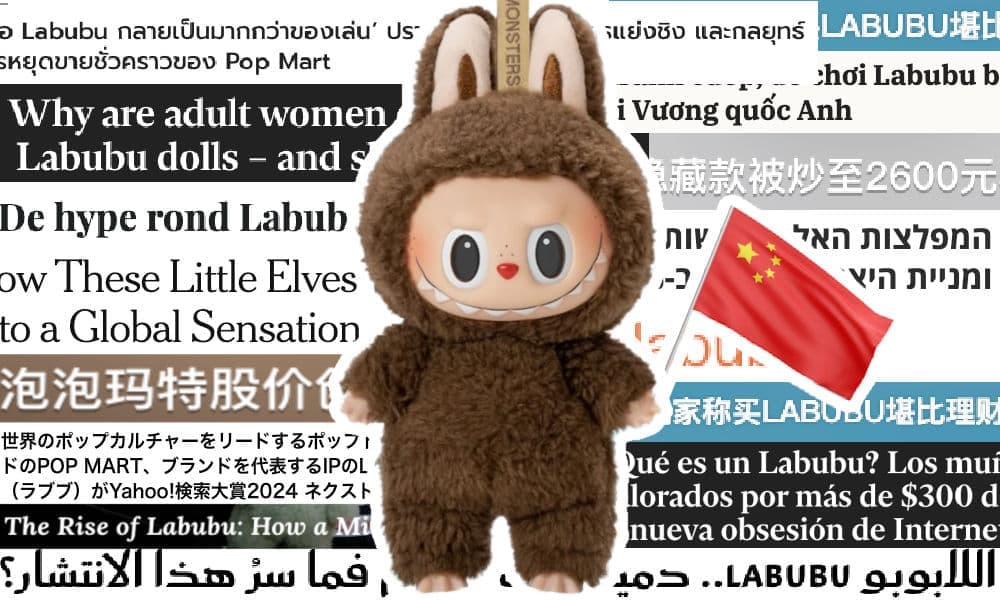
Labubu began as Kasing Lung’s illustrated characters and finally scaled into a global phenomenon after a strategic partnership with Pop Mart. The collaboration turned small, character-driven artwork into a mass-market toy franchise by marrying artist IP to Pop Mart’s platform capabilities - IP development, retail footprint, vending machines, and marketing reach. The result was a new model of collectible culture that matters to anyone tracking trends in gaming-style purchases, secondary markets, and cultural export.
At the center of Labubu’s rise are blind-box mechanics that manufacture scarcity and gamified unboxing. Limited runs and surprise reveals make each drop feel like an event, feeding a loop of repeat purchases. Celebrity and influencer amplification turned unboxing clips into social currency, while artist collaborations and special editions created collectible tiers - from common runs to low-serial-number grails. Pop Mart’s retail and vending strategy made figures visible in malls and transit hubs, then social platforms made those vending moments shareable.
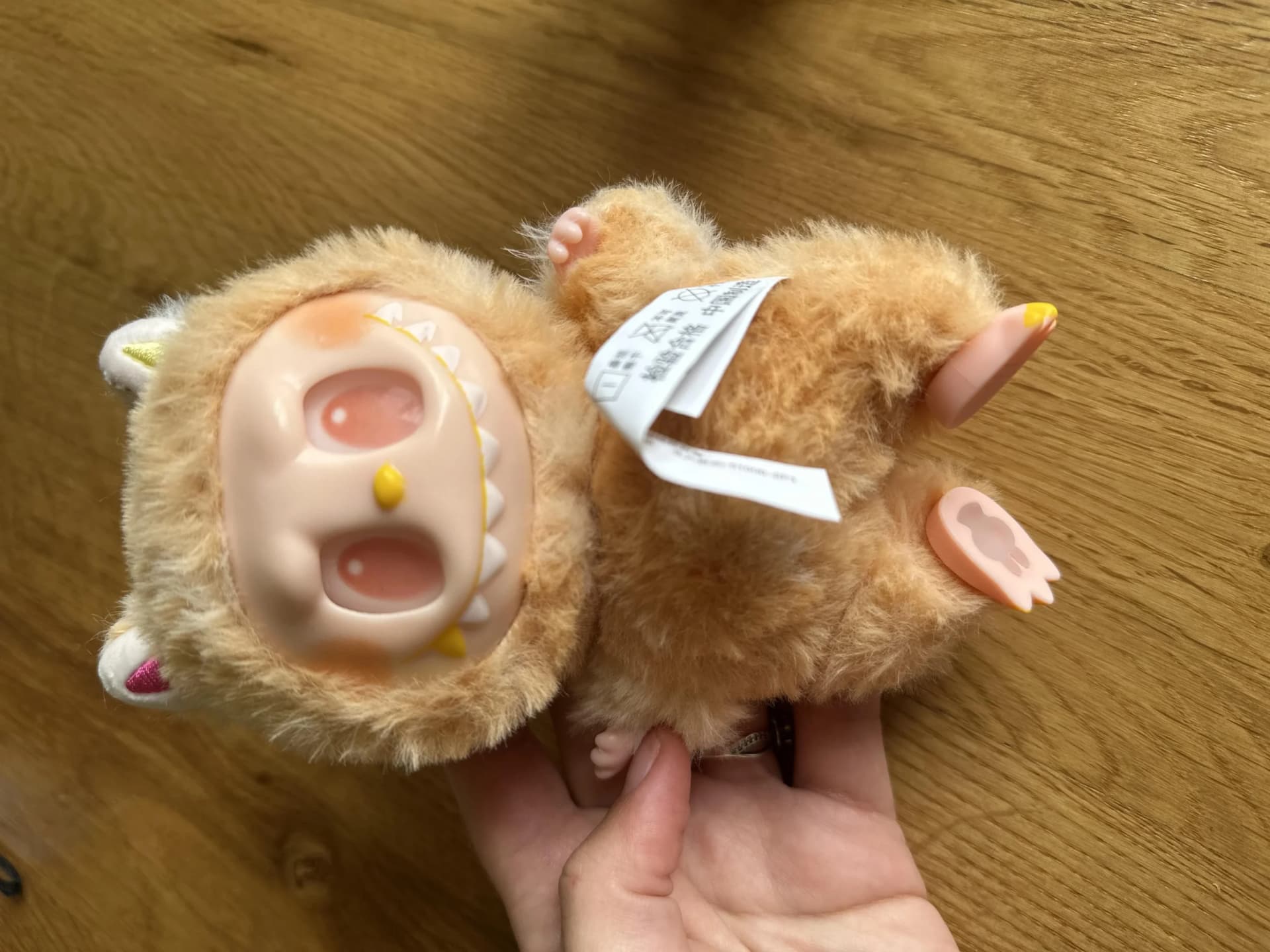
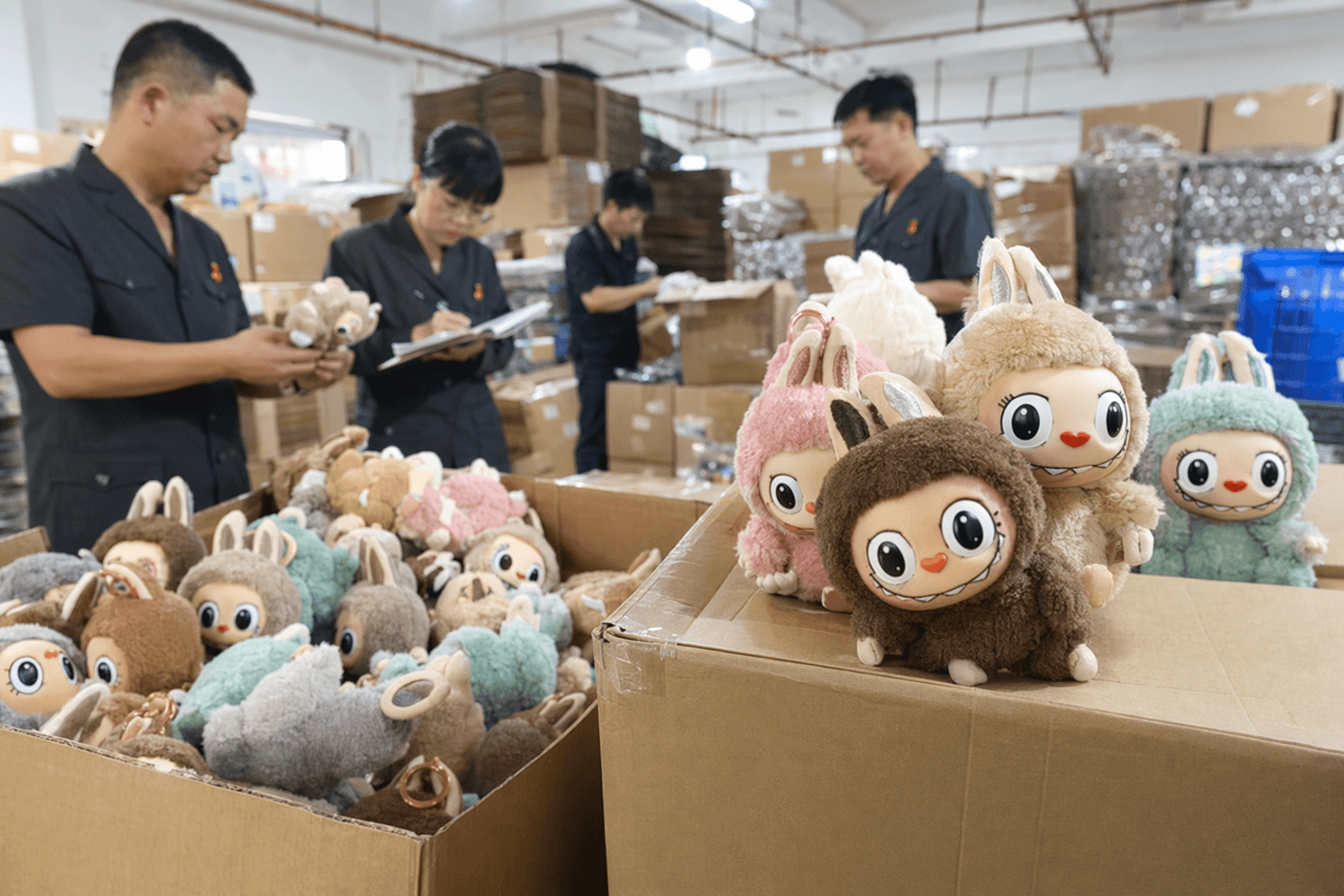
The secondary market responded fast. Resellers arbitraged early drops, flipping sought-after variants for multiples of retail price. That arbitrage brought liquidity and attention but also friction: counterfeits proliferated in some markets, eroding trust. Fan practices evolved to meet the market - customizing, dressing figures, and swapping parts became ways to personalize Labubu and reclaim agency from pure speculation. Those DIY moves also increased community engagement, turning owners into co-creators and extending the franchise’s cultural life beyond factory runs.
Labubu’s global fit owes much to a low-specificity, adaptable aesthetic that moves across cultures. Its look translates without heavy local signifiers, which helped the toy function as an exportable icon rather than a niche regional curiosity. That “culturally odorless” quality allowed Pop Mart to scale the IP into multiple markets while layering local collaborations when needed.

Practical takeaways for collectors and community members: Verify authenticity before paying resale premiums, follow official release schedules and vendor maps, document variant numbers for provenance, and consider customization as both a creative outlet and a way to add unique value. Expect tighter anti-counterfeit measures and possibly more sophisticated authentication as the market matures.
Labubu’s trajectory shows how design, platform power, and social amplification combine to create modern collecting economies. For collectors, artists, and retailers, the next phase will test whether goodwill and creativity can coexist with speculative pressure. Watch upcoming collaborations, track resale volatility, and participate in customization circles - those moves shape whether Labubu remains a living subculture or settles into pure commodity status.
Know something we missed? Have a correction or additional information?
Submit a Tip