Labubu becomes the new it bag in art-toy culture
Labubu’s status jump is tightening supply, speeding sellouts, and pushing more of the value into the pull, the display, and the resale market.
Labubu has crossed the line from cute oddball to status-coded carry piece, and the collector fallout is immediate. The tiny figure now behaves less like a toy you tuck away and more like a signal you wear, hang, or display in public, which is exactly why fresh stock disappears so fast and rare pulls move straight into resale pressure.
From niche monster to portable status symbol
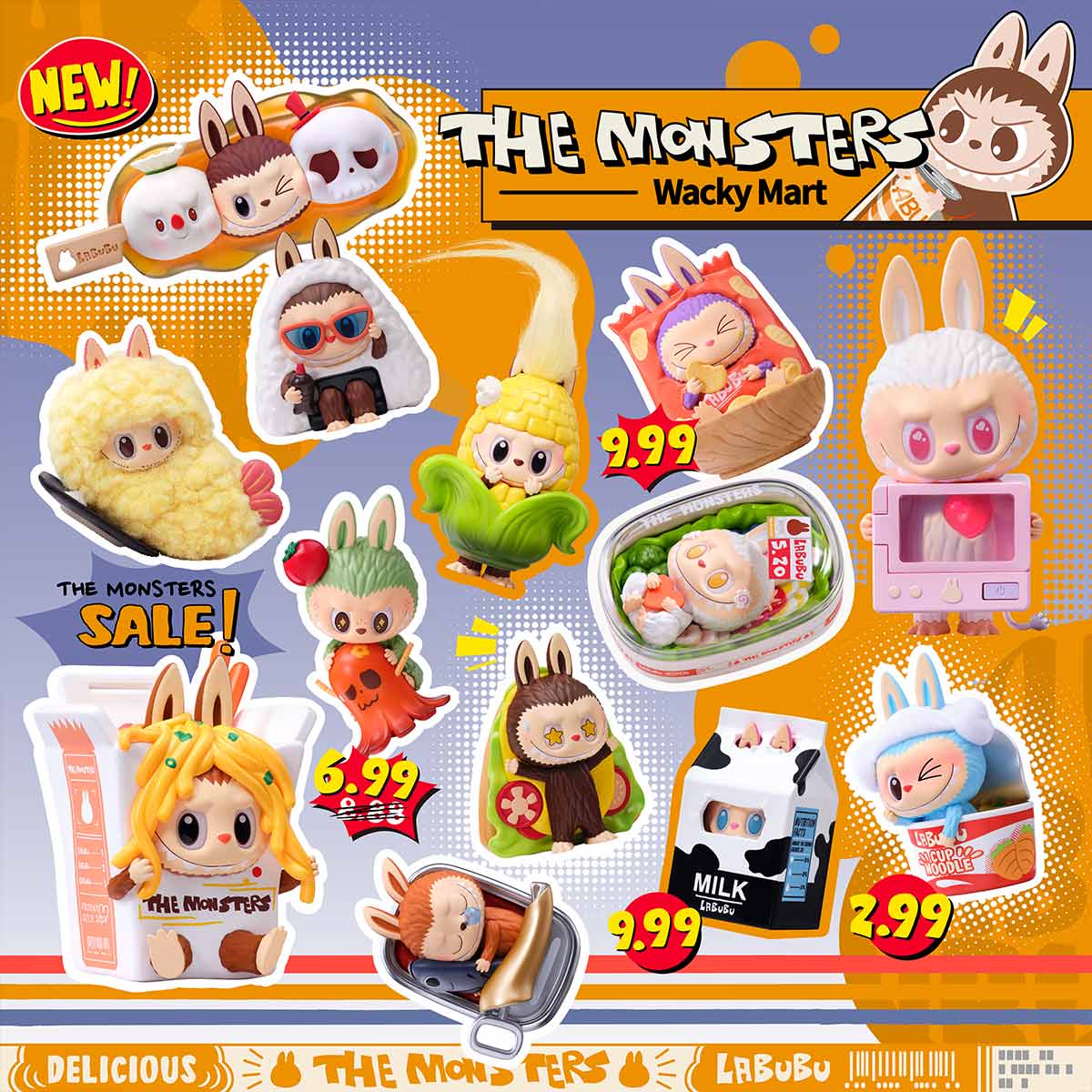
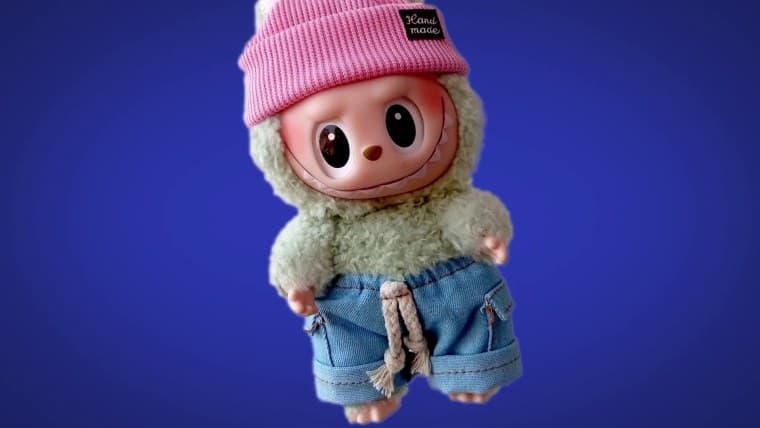
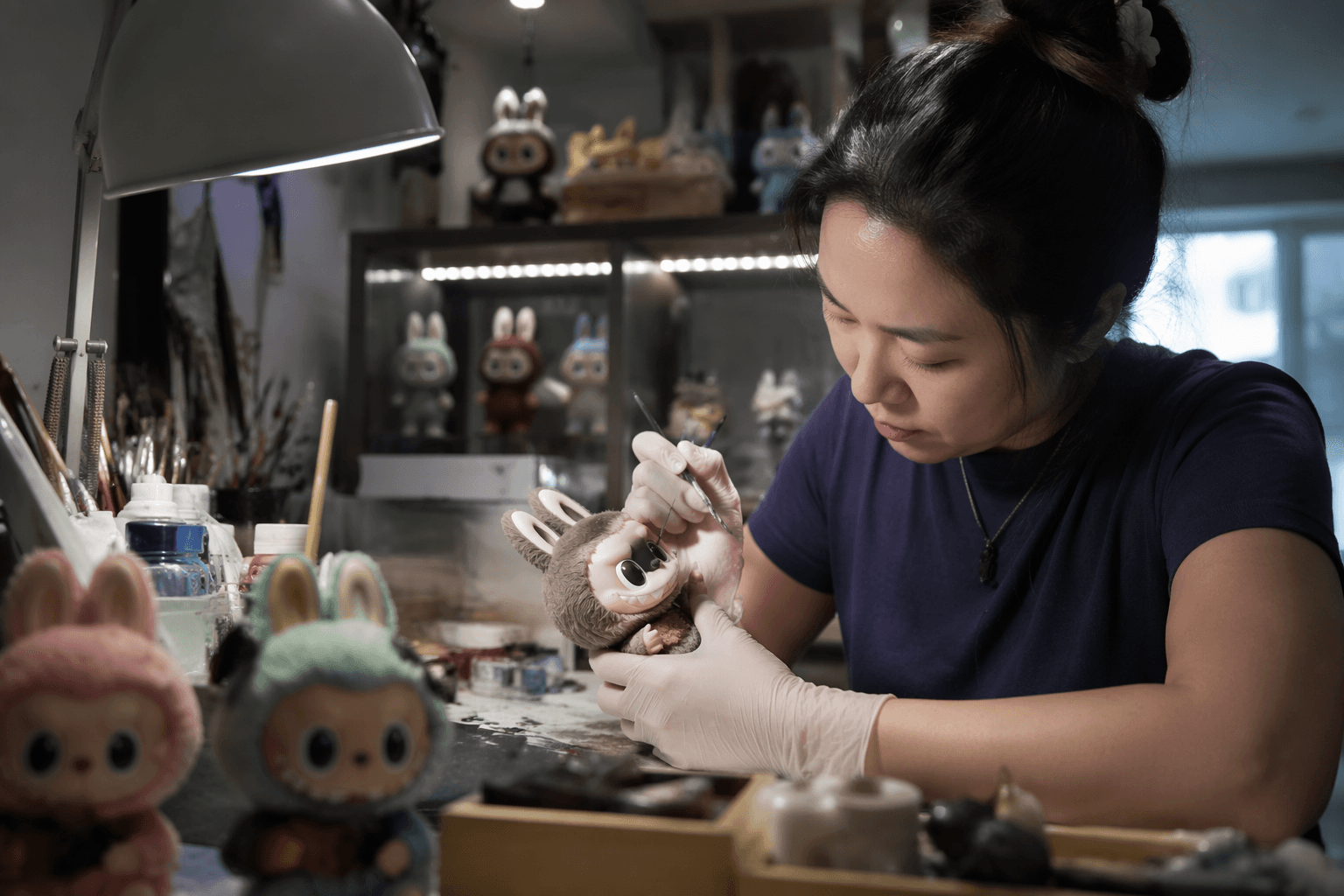
Pop Mart’s own lore makes clear why Labubu was built to travel. The company says Kasing Lung created THE MONSTERS universe in 2015 through three picture books inspired by Nordic mythology, and LABUBU is framed as a small monster with pointed ears, serrated teeth, and a mischievous look that hides a kind heart. That design matters because it gives the character a strong silhouette at bag charm size, where the face, ears, and teeth still read instantly from across a room.
That visibility is part of the appeal now. Labubu’s rise through the American mainstream has followed a familiar collector path: TikTok unboxings, celebrity sightings, social proof, and then the scramble to find a fresh shelf before everyone else does. Once a piece becomes easy to recognize at a glance, it stops being only a collectible and starts acting like shorthand for taste, timing, and access.
Why the blind-box ritual drives the hype
The real engine behind the craze is the pull, not just the plush. Pop Mart built Labubu around blind-box collecting, which turns every purchase into a gamble on what is inside, and that keeps the emotional payoff tied to anticipation, reveal, and the after-drop conversation with other collectors. The format rewards repeat buying, drives people to chase the perfect variation, and creates the exact kind of frenzy that clears a restock in minutes.
That behavior is not new in toy culture. Bandai says it entered Japan’s capsule-toy market in 1977 and eventually became the category leader, then brought the random-reveal experience online in 2020 with a service designed to preserve the surprise of gachapon. Labubu plugs into that same logic, but it does so in a modern collector environment where social media can amplify a single pull into a mini event and where a sold-out product page can trigger instant FOMO across the community.
What changes when the toy becomes a bag signal
This is where the “new it bag” comparison becomes practical rather than cosmetic. Pop Mart’s product pages show how far the line has already stretched beyond a standard figure: vinyl plush pendants, lanyards, mini bags, fragrance sprays, and display bags all place Labubu in formats meant to be carried, shown, gifted, or styled. The character is no longer confined to a shelf; it is built to move through daily life attached to another object.
For collectors, that shift changes behavior in predictable ways:
- Shelf stock gets treated like a race. Fresh drops are more likely to be picked clean quickly because buyers are chasing both the character and the visibility that comes with it.
- Rare editions get pushed upward in resale faster, because small physical size does not reduce perceived value when the social payoff is large.
- More people get priced out of the chase, especially when they want a specific character, colorway, or blind-box variant rather than any Labubu at all.
- Display becomes social signaling. A keychain on a bag, purse, or strap says you know the trend, know the pull, and know how the game works.
That last piece is the biggest change for hobby culture. Labubu still lives inside toy collecting, but the object now performs like fashion in public. The point is not only ownership, it is recognition.
The numbers behind the conversion
Pop Mart’s own financial scale shows that Labubu is not riding a side wave. In its 2024 annual report, THE MONSTERS, MOLLY, SKULLPANDA, and CRYBABY each passed RMB 1 billion in revenue for the first time, and 13 major IPs each exceeded RMB 100 million. That puts Labubu inside a broader IP-driven collectibles business, not a one-character fluke.
The growth became even more visible in 2025. Pop Mart’s first-half revenue reached RMB 13.88 billion, up 204 percent year on year, and Wang Ning said the company could reach RMB 30 billion in 2025. THE MONSTERS, which includes Labubu, was Pop Mart’s top-performing IP in the first half of that year. In 2024, the company’s total revenue had already more than doubled to RMB 13.04 billion, with plush sales, heavily driven by Labubu, rising more than 1,200 percent.
Those figures matter to collectors because they explain the supply pressure. When a character becomes a major growth engine, the hobby stops behaving like a quiet niche and starts responding to a wider commercial machine. More demand means more eyes on every release, faster sellouts, and a harder path for anyone trying to buy at retail instead of chasing the secondary market.
What collectors should expect next
If you are collecting Labubu now, expect the pattern to keep leaning toward scarcity, speed, and status. The more the character functions as a public accessory, the more every release becomes a race between the shelf and the reseller circuit. That does not make the hobby less fun, but it does mean the value is spreading beyond the figure itself and into the ritual around it.
Labubu’s rise is not just about a toy getting popular. It is about a blind-box monster becoming a visible badge in the open, where the pull, the carry, and the display all carry weight at once.
This article was produced by Prism’s automated news system from verified source data, official records, and press releases, then run through automated quality and moderation checks before publishing. The system is built and supervised by the people who set the standards it runs under. Read our full AI policy.
Did this article answer your question?