Merodi’s Quiet Hong Kong Debut Highlights Pop Mart Dependence on Labubu
Merodi After School debuted in Causeway Bay but remained on shelves after an online 10pm release, while Pop Mart shares closed above HK$229.80 amid mixed signs about post-Labubu momentum.
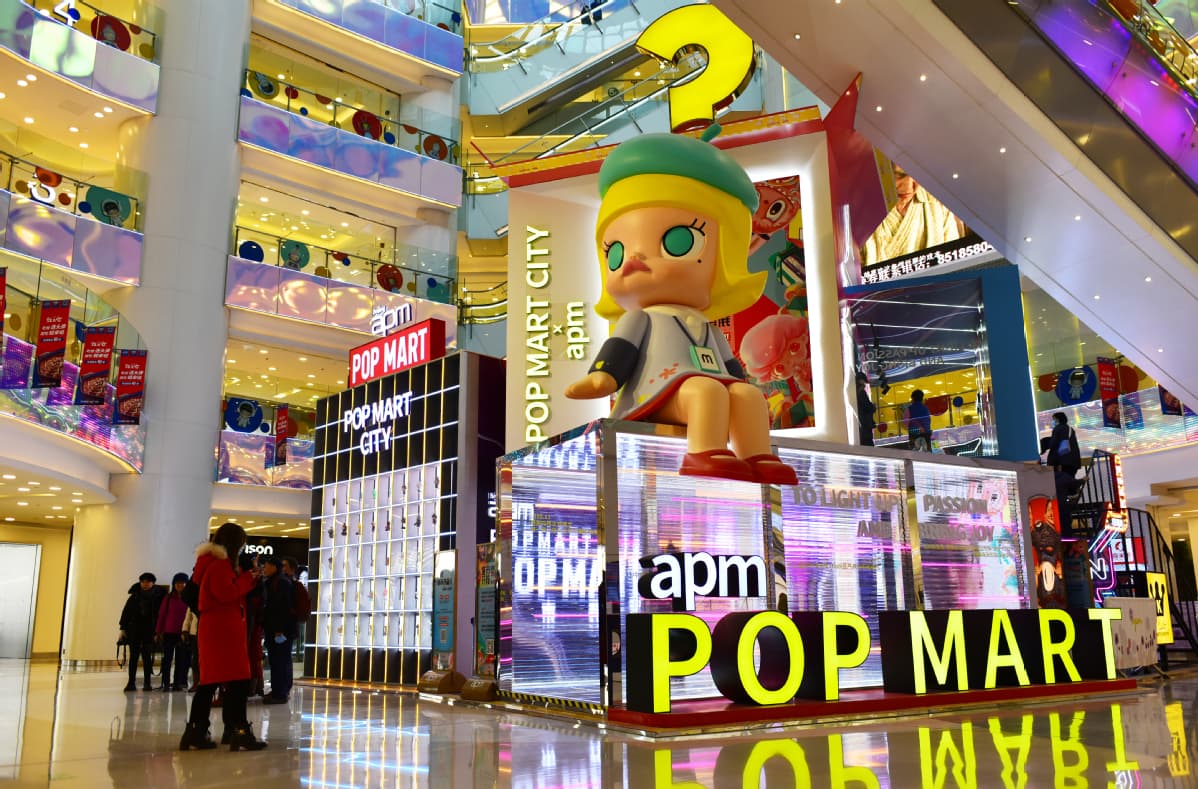
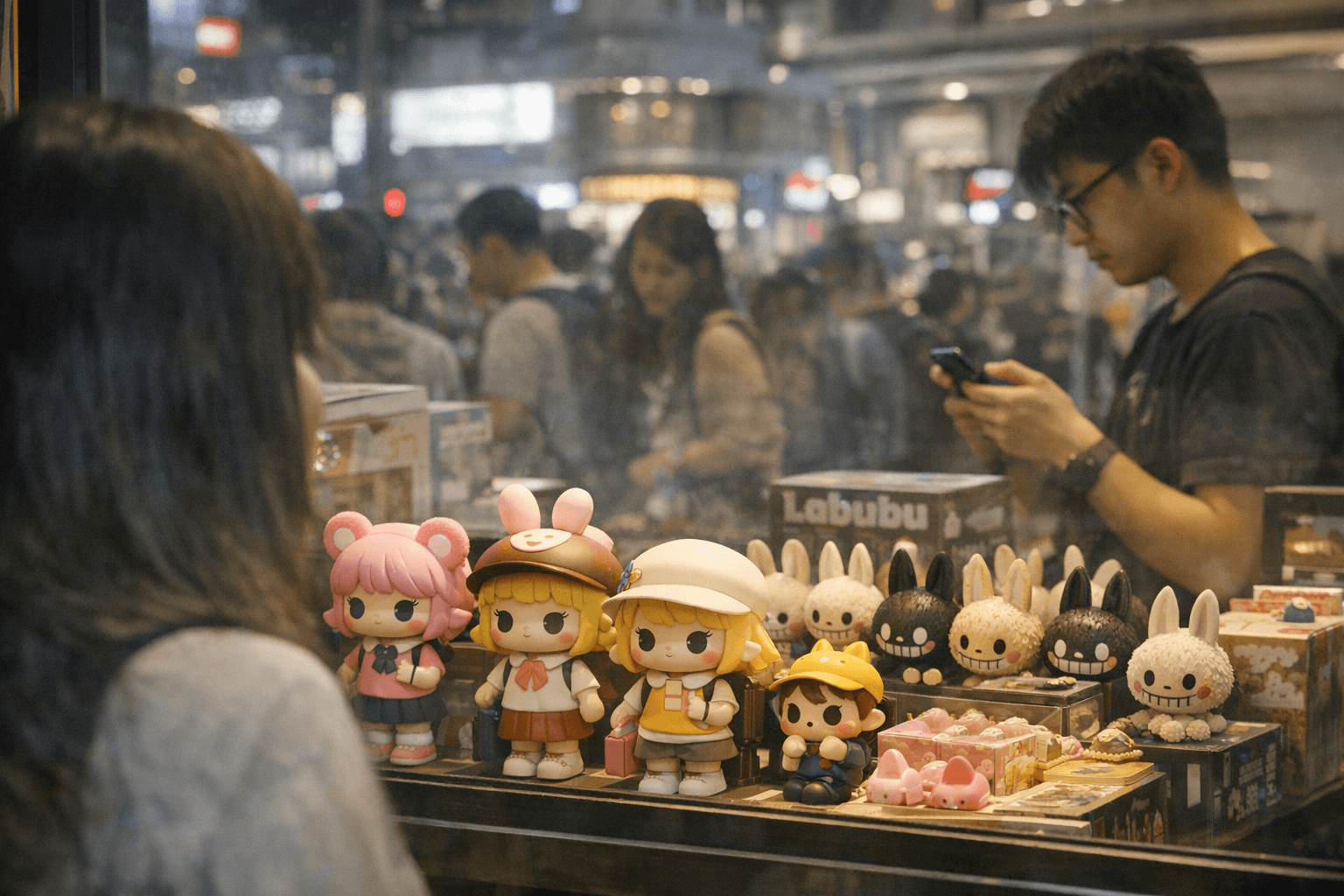
At Pop Mart’s Causeway Bay shop a Merodi After School display drew little attention on Friday morning, and the new IP, released online at 10pm on Thursday night, was still available the next day, with a shop salesperson saying, “A few people are buying it,” and “It’s not very well known yet.” The character, created by Willstudio and described as a mischievous little girl who can talk to animals, landed quietly in a district where previous debuts often sold out within hours.
The muted retail scene did not translate into a market rout. Shares closed more than 2 per cent higher at HK$229.80 on Friday, and other reporting notes that Pop Mart’s stock has rebounded from a January low to as high as HK$244.4 per share in recent trading. Investors have also been cheered by an ongoing share repurchase plan that News Futunn flagged as a factor behind recent confidence.
The uneven reception for Merodi sits alongside sharper examples of demand for other new releases. On January 22, Pop Mart launched the limited-edition blind box series Starry Dolls Heartbeat for Valentine’s Day 2026, which “sold out quickly upon release and saw significant premiums for popular items on the secondary market.” Guosen Securities and other market watchers point to similar sell-outs for the PUCKY Knocking Series and Starry Dolls Heartbeat on the official website, underscoring that some non-Labubu IPs still generate rapid scarcity and aftermarket premiums.
Analysts urge caution on regulatory and counterfeit pressures even as they temper alarm. Observers note that an editorial critique of blind-box models targeted businesses that entice heavy spending without naming Pop Mart explicitly, but analysts say fears of sweeping regulatory headwinds may be overblown because Gen Zers and millennials make up Pop Mart’s core consumers. Blind-boxed items sold by the company span a wide price range, from about 59 yuan to 5,999 yuan, and counterfeit toys at export checkpoints remain a reputational risk.
Pop Mart’s recent financial record and strategy offer a counterpoint to the Merodi snapshot. Revenue reached an all-time high of RMB 13.04 billion in 2024, a 106.9% year-over-year increase, with Mainland China accounting for about 60 percent of sales, drawing in ¥7.97 billion. The company’s H1 2025 revenue “has further increased,” and company strategy emphasizes scouting global designers and using in-house data to predict trends. As Yan put it, “Pop Mart searches for global designers via toy expos and other art events while also leveraging its in-house team to use data to predict future trends and design potential IPs. The objective is to continue bringing freshness to consumers and to continuously refresh resonant experiences.”
That strategy matters because Labubu has dominated Pop Mart’s cultural momentum since going viral in 2024, and the company’s future depends on whether new characters can replicate that scale. Merodi’s quiet launch in Causeway Bay highlights how one slow start can prompt questions about diversification even as sell-outs like Starry Dolls Heartbeat and corporate buybacks give investors reasons to back the maker of Labubu.
This article was produced by Prism’s automated news system from verified source data, official records, and press releases, then run through automated quality and moderation checks before publishing. The system is built and supervised by the people who set the standards it runs under. Read our full AI policy.
Did this article answer your question?


