Mirumi, the shy robot charm poised to succeed Labubu on bags
Labubu built the bag-charm benchmark, and Mirumi is trying to win the same strap space with a shy, head-turning robot and a very different vibe.
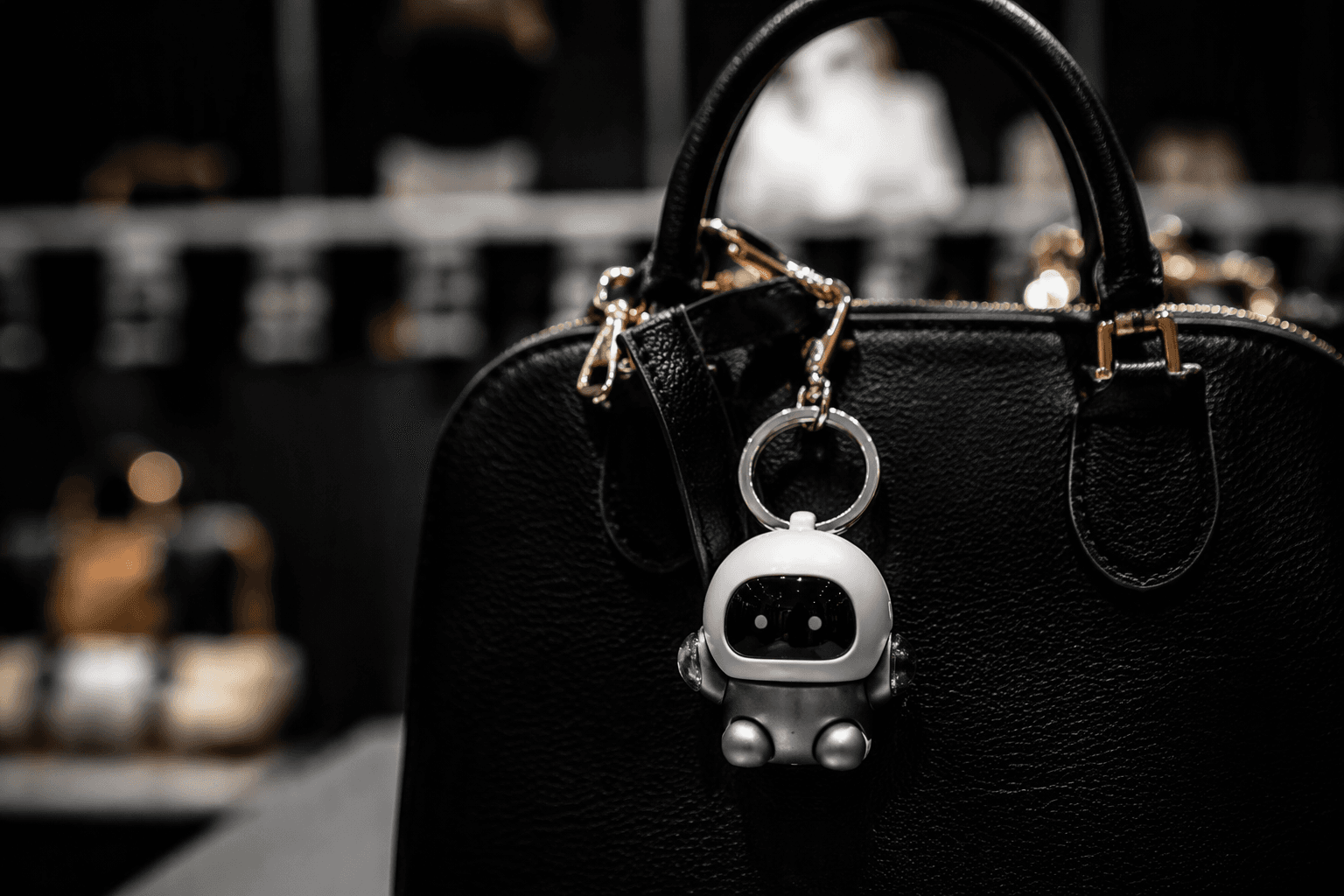
Labubu made bag straps into a status display; Mirumi is trying to win that same space with a softer trick. The Tokyo-made charm robot from Yukai Engineering Inc. turns its head with a shy, curious gaze, and the pitch is simple: if Labubu's snaggle-toothed chaos became the reference point, Mirumi is the quieter object collectors are now testing against it.
What Mirumi actually is
Mirumi comes from Yukai Engineering Inc., the Tokyo-based robotics company that markets itself as a maker of "Lifestyle Robots." On its official site, Mirumi is described as a charm robot that reacts to sound or touch, and sometimes even moves on its own, turning its head with that deliberately bashful expression. Yukai says the idea is to bring "a jolt of joy" to the user and to people nearby, which places the charm somewhere between gadget, companion, and bag accessory.
The behavior is what separates it from a standard plush charm. Yukai says Mirumi responds to sounds, movement, and touch, and that a "special algorithm randomises responses to feel natural and lifelike." That matters for the collector eye, because the appeal is not just how Mirumi looks clipped to a strap, but how it performs in motion, with small unpredictable reactions that make it feel less like a static ornament and more like a little character with stage fright.
Why Labubu is the benchmark
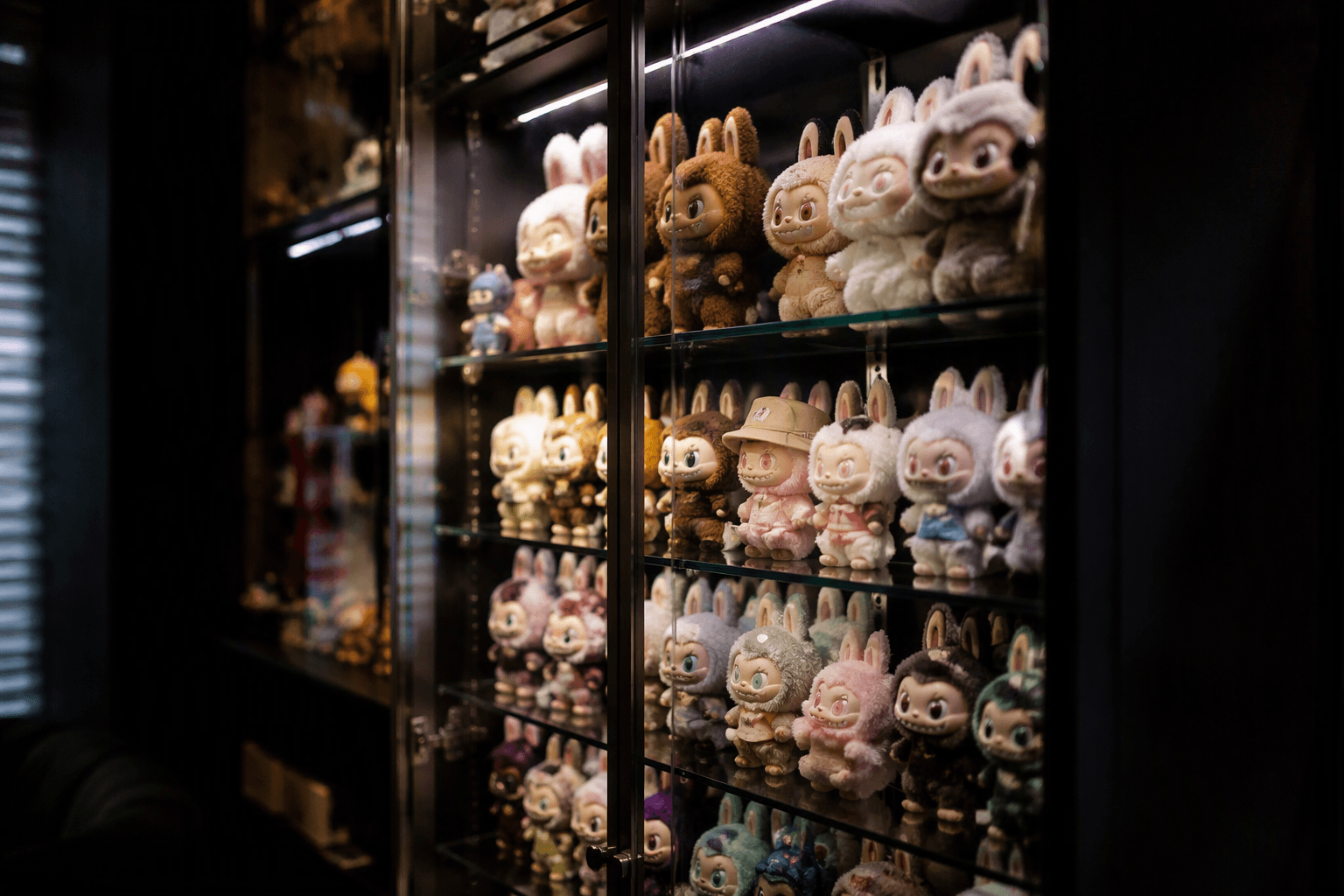
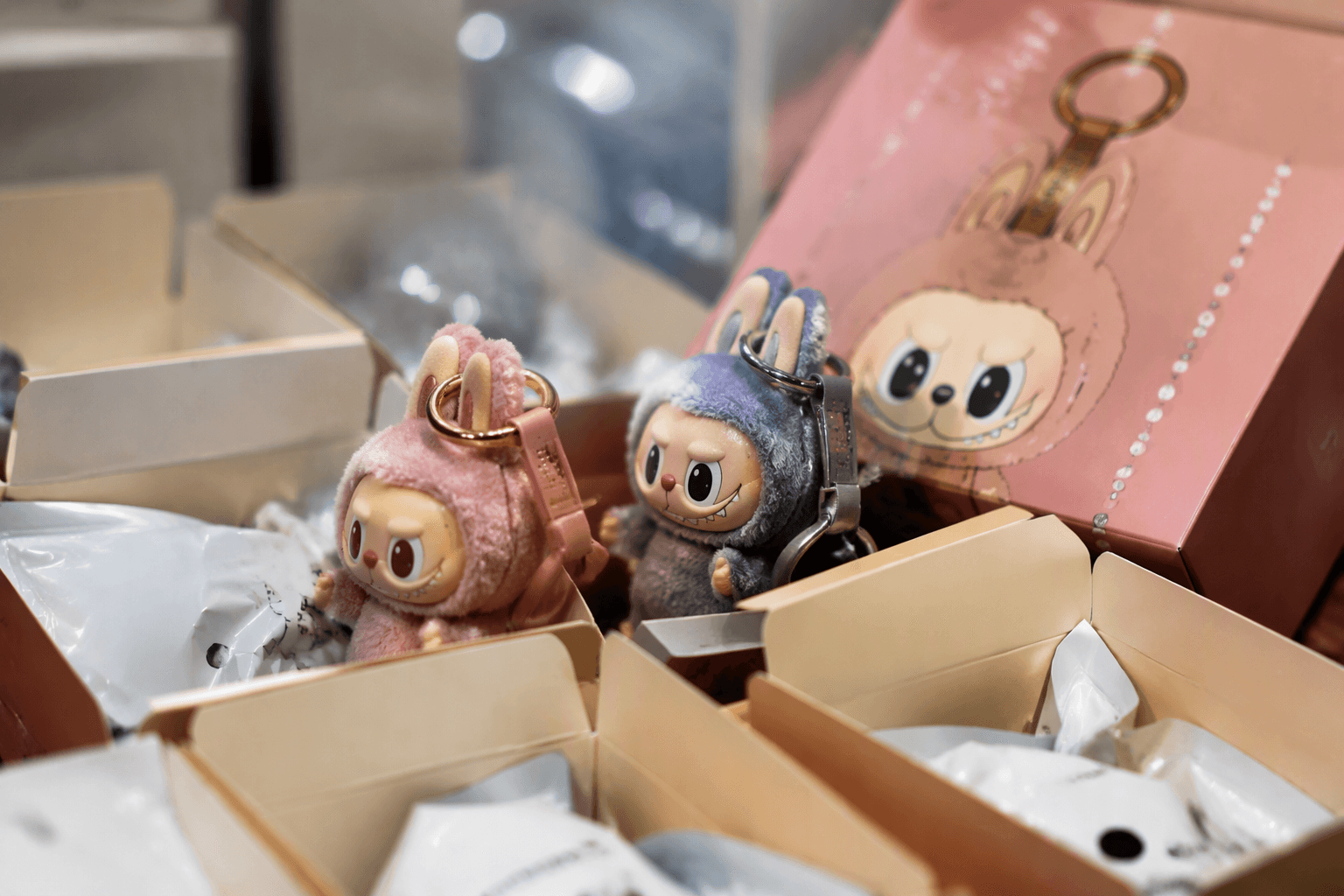
Labubu is the comparison point because it already proved that a bag charm can become a cultural object. For roughly two years, the monster-like figure sat on bag straps, filled social feeds, and dominated collector conversation with its mischievous face and snaggle teeth. That scale is not abstract hype, either: Reuters reported on Aug. 19, 2025, that Pop Mart's first-half profit soared nearly 400%, and CNBC said on July 14, 2025, that Labubu had become an international status symbol.
Once a toy line can move from collector shelves into fashion shorthand, anything entering the same lane gets measured against it. Mirumi is being talked about in that shadow because Labubu set the standard for what a charm can do when it escapes the toy box, gets clipped to a bag, and starts signaling taste in public. The question is no longer whether bag charms matter, but whether a new one can offer a different emotional register without losing the same visual punch.
Why Mirumi reads differently on a bag
Mirumi is not chasing Labubu's chaos so much as translating the bag-charm idea into a quieter mood. India Today described it on Jan. 7, 2026, as a furry companion robot that straps to a bag and reacts with simple but expressive movements, while The Japan Times ran a Feb. 24, 2026 story calling it "A fluffy pink robot" that might be Japan's answer to Labubu. By the time WWD's July 31, 2026 Digital Daily framed the competition for fashion's next Labubu, the category had clearly widened beyond one monster-faced template.
For collectors, the useful comparison is not whether Mirumi is "better" than Labubu, but what kind of bag it suits.
- Labubu works as the loud charm, the one that reads instantly from across a room.
- Mirumi works as the shy companion, the one whose appeal sits in motion, hesitation, and small reactions.
- Labubu signals mischief and maximalism. Mirumi signals a more restrained, almost awkward kind of affection.
That distinction is why Mirumi feels like a genuine adjacent collectible rather than a flat imitation wave. It still occupies the same visual real estate, the strap or handle of a bag, but it asks for a different kind of attention.
Where the hype has already shown up
Mirumi has not stayed confined to online comparison pieces. ROBOPHILOSOPHY noted a Mirumi pop-up at Harrods in London running from July 20 through Aug. 16, 2026, which puts the charm into one of the city's most visible retail stages. That kind of placement gives collectors a concrete access point, and it signals that Mirumi is being treated as a physical object worth displaying, not just a concept floating through social media.
Price talk has also started to harden into collector shorthand. One 2026 social post placed Mirumi at £107, while another source put it at $150, though both figures came through secondary social and media posts rather than Yukai's own copy. Even that kind of early pricing chatter tells its own story: the object is already being judged the way collectible accessories usually are, by how easy it is to buy, carry, and justify as a piece of personal style.
The collector read
Labubu still sets the pace because it changed what a toy could mean on a bag. Mirumi is trying to succeed in the same space by doing something more reserved, with a head tilt, a startled glance, and just enough mechanical unpredictability to feel alive. If Labubu made the bag charm a loud declaration, Mirumi is testing whether the next wave can be smaller, quieter, and still unmistakably collectible.
This article was produced by Prism’s automated news system from verified source data, official records, and press releases, then run through automated quality and moderation checks before publishing. The system is built and supervised by the people who set the standards it runs under. Read our full AI policy.
Did this article answer your question?