Pop Mart Shares Jump After First Buyback Since 2024, Labubu Worries Persist
Pop Mart shares jumped as much as 10% after a HK$251 million buyback, but concerns about Labubu sales and rising short interest keep long-term outlook uncertain.
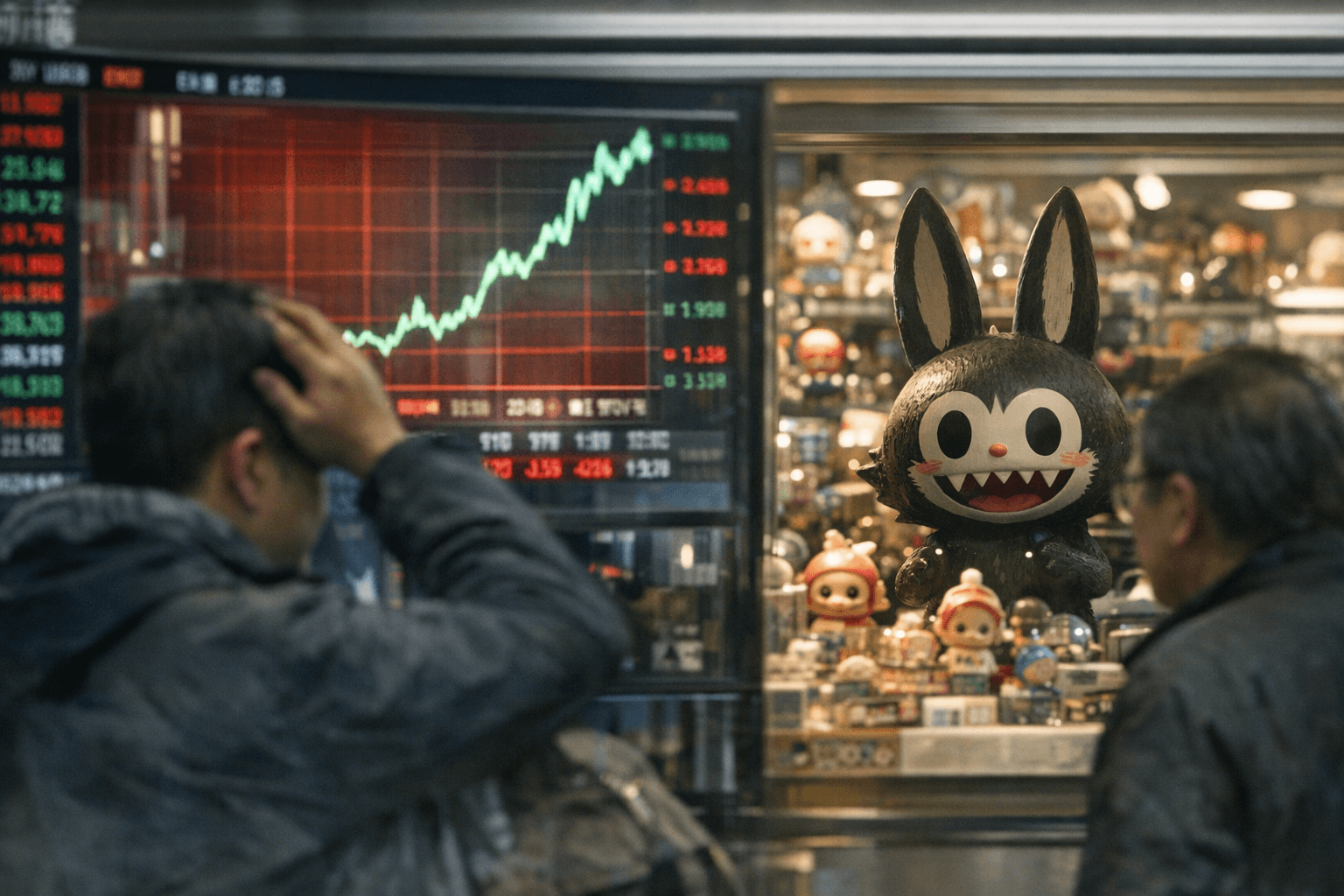
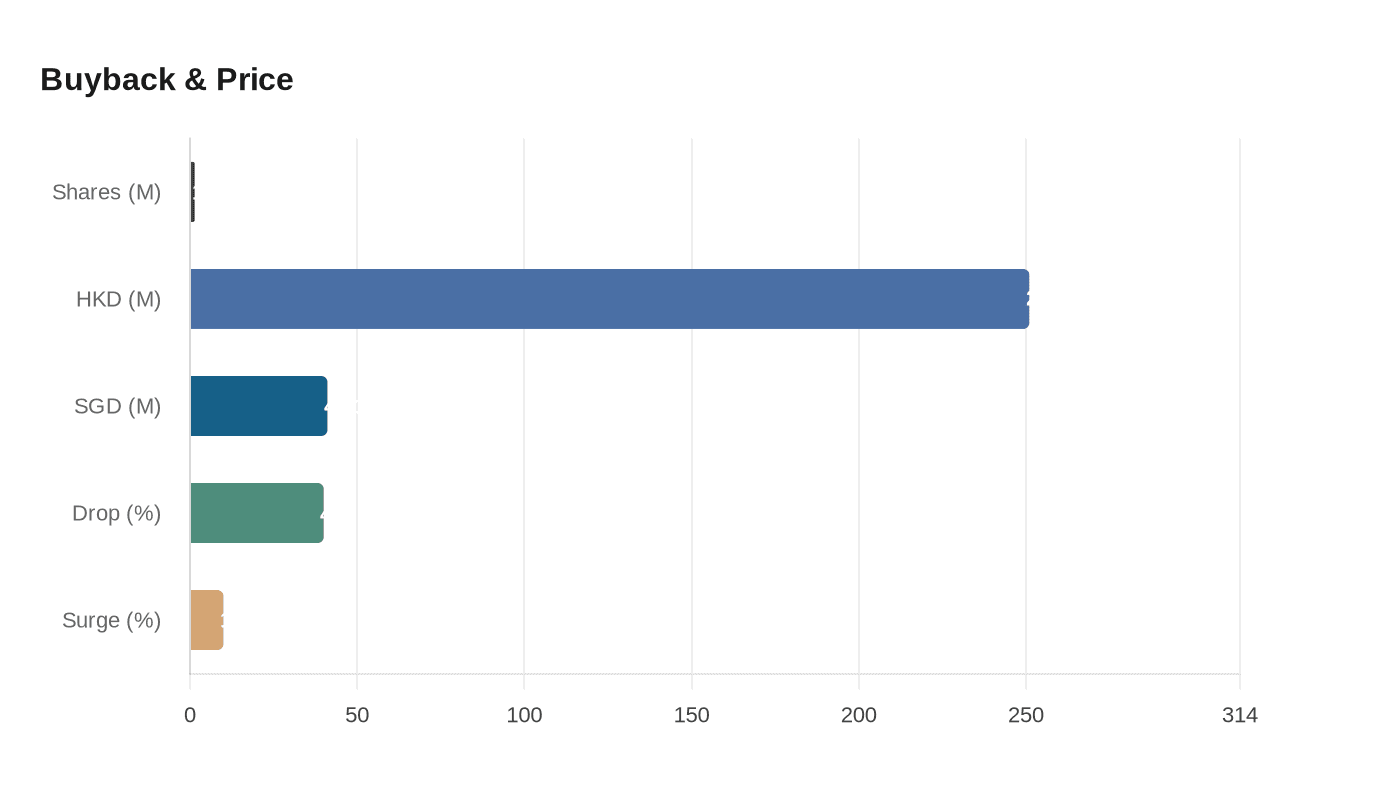
Pop Mart International Group saw its Hong Kong-listed shares surge as much as 10 percent in early trading after the company announced a share buyback that took place on Jan 19. The toymaker repurchased 1.4 million shares for HK$251 million (S$41.1 million), marking its first buyback since 2024 and drawing renewed investor attention to the maker of Labubu and other IP-driven collectibles.
The buyback provided an immediate lift to the stock, but it stopped short of a broad commitment. Pop Mart did not set a target size or timetable for further repurchases, leaving the market to interpret the move as a tactical capital allocation rather than a sustained share-return program. Morgan Stanley analysts said the repurchase could attract investor interest and signals the company has financial resources available for shareholder returns.
Underlying doubts about product momentum remain. Pop Mart’s share price is still more than 40 percent below its August peak, a gap driven in part by investor questions about whether Labubu and similar character IP can sustain the sales growth that once fueled the company’s rapid expansion. Short interest in the stock has risen significantly, a market signal that some traders are betting on further downside or volatility rather than a clear rebound.
For the Labubu community, the buyback matters for two practical reasons. First, it affects investor sentiment and the company’s access to capital, which in turn can influence marketing, production runs, and the cadence of blind-box drops collectors watch closely. Second, swings in Pop Mart’s share price and investor focus can ripple into the secondary market, where resellers and collectors price Labubu figures based on perceived demand and future release plans.
Collectors and small-scale resellers should take the buyback as a sign of short-term support for Pop Mart’s stock but not a guarantee of renewed demand for Labubu. The most important data points to watch next are Pop Mart’s sales figures for upcoming quarters, the company’s commentary on product pipelines, and any further clarity on repurchase plans. Equally important is monitoring short interest levels; sustained increases there can amplify price volatility and affect sentiment around new drops.
The Jan 19 buyback bought Pop Mart breathing room and a market bump, but it did not resolve fundamental questions about Labubu’s growth trajectory. Expect more choppy trading until Pop Mart provides clearer signals on sales performance and whether the company will follow this one-off repurchase with a broader shareholder-return strategy.
This article was produced by Prism’s automated news system from verified source data, official records, and press releases, then run through automated quality and moderation checks before publishing. The system is built and supervised by the people who set the standards it runs under. Read our full AI policy.
Did this article answer your question?


