Commander damage explained, the rule that ends games at 21
Commander damage ignores life totals and burns through games at 21 combat damage from the same commander, even after steals, copies, or zone changes.

At 21 or more combat damage from the same commander, a player loses the game even at 40 life. The total does not care whether the rest of the table is still healthy. That single rule is why a Voltron swing, an evasive flyer, or a commander that keeps returning to the battlefield can end a game long before normal damage math says it should.
How commander damage actually works
The key number is 21, and the key word is combat. Commander damage only counts when a commander deals combat damage to a player, so spells, pings, triggers, and other noncombat effects do not build that loss condition. That is what makes the rule so different from ordinary life-total play.
The damage is also cumulative and permanent for the rest of the game. Once a commander has connected for 5, then 7, then 9, those totals all add up toward the 21-point threshold. Life gain does not erase any of it, and effects that change a player’s life total do not matter once the combat damage has been recorded.
What to track at the table
The cleanest way to avoid arguments is to treat commander damage like a separate score for each commander that has hit you. The game does not combine damage from different commanders, so 11 from one commander and 10 from another is not the same thing as 21 from a single source. Player A’s commander and Player B’s commander each keep their own count, which is especially important in multiplayer pods where multiple attackers can create multiple danger lines at once.
That separation is why a damage note pad, dice, or a phone app can save a game from confusion. When a commander hits the table again after being bounced, cast again, or moved around the board, the old total still matters. Commander damage is tracked across zone changes, so the commander does not get a clean slate just because it left the battlefield.
Steals, zone changes, and the cards that cause the most confusion
The most common table argument starts when somebody steals a commander and swings with it. The rule is clear: if another player takes control of your commander, any commander damage it already dealt still counts. The card remains a commander even when controlled by another player, and its commander status carries through those control changes.
Commander-ness cannot be copied or overwritten by continuous effects, so a copy of a commander is not the same thing as the original commander for damage tracking. The game cares about the actual commander card, not a lookalike token, clone, or temporary copy that happens to share the same text box and power level.
If the card goes from the battlefield to the command zone and later comes back, the combat damage it dealt earlier is still on the books. The total follows the commander, not the zone.
Why Karona, False God keeps coming up
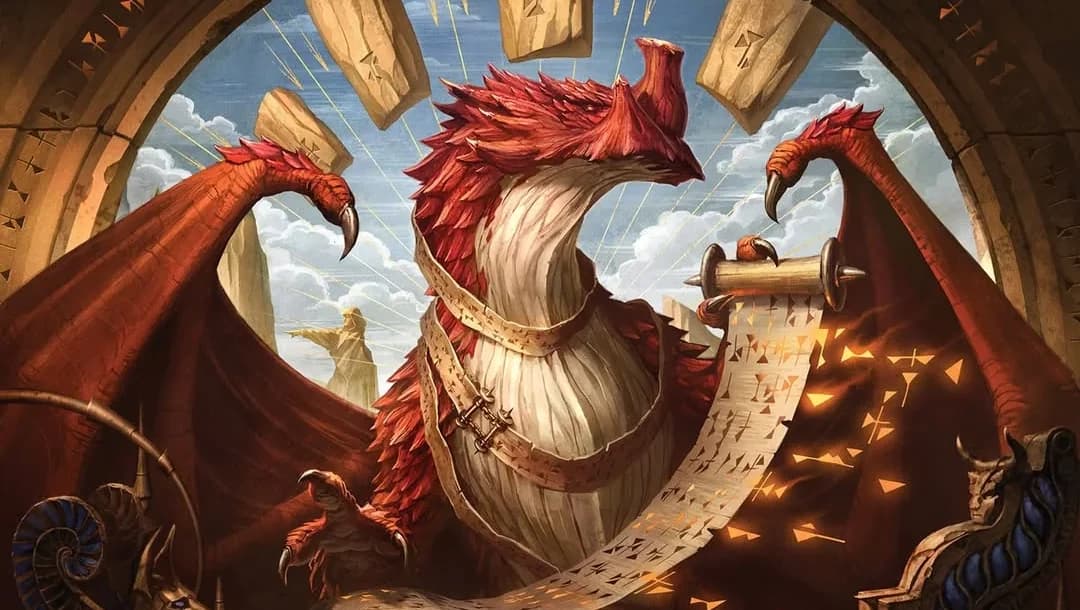
Karona, False God is the sort of card that makes this rule easier to understand by making it messier in practice. Because Karona moves around the table and invites control changes, she can turn a simple commander-damage count into a live bookkeeping test. If players are not paying attention, it becomes easy to forget who was hit by the original commander, who is now controlling it, and which player is closest to 21.
In a game where one commander can be passed around, stolen, blinked, or recast multiple times, the table has to keep the numbers visible.
Where the rule came from
Commander did not begin as a formal Wizards format. It started as Elder Dragon Highlander, a fan-created format built around oversized multiplayer games and legendary creatures. Wizards later formalized it, and on June 17, 2011, the company released the first five Commander preconstructed decks, officially bringing Commander into Magic’s product line.
Today, Commander is one of Magic’s official constructed formats and is built around a 100-card singleton deck with one legendary creature commander. The format’s rules are now managed by Wizards of the Coast after the company announced in September 2024 that the former Commander Rules Committee had been dissolved.
This article was produced by Prism’s automated news system from verified source data, official records, and press releases, then run through automated quality and moderation checks before publishing. The system is built and supervised by the people who set the standards it runs under. Read our full AI policy.
Did this article answer your question?