Commander Players Debate Fun Over Wins as Playgroup Tensions Surface
A post from matsuba_edh reignites Commander’s oldest tension: play the deck you love, or tune for the win. The answer starts before the first card is drawn.
Why matsuba_edh hit a nerve
A post from matsuba_edh drew 500-plus likes because it touched the pressure point every Commander pod knows: the gap between the deck you want to play and the deck most likely to win. The argument was simple but sticky, because it pointed in two directions at once. Favorite cards and memorable board states matter, but so does the competitive edge that makes a game feel alive.
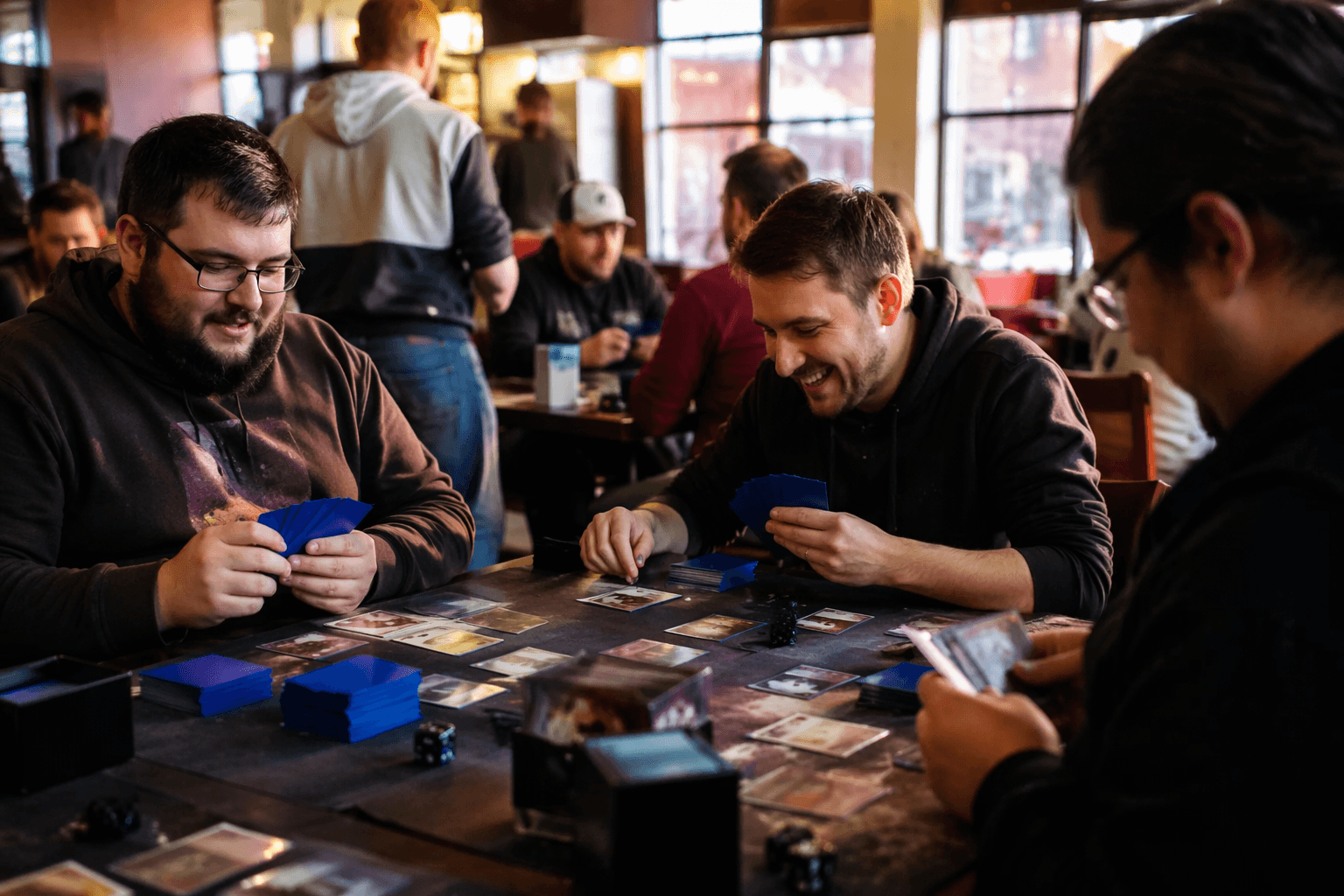
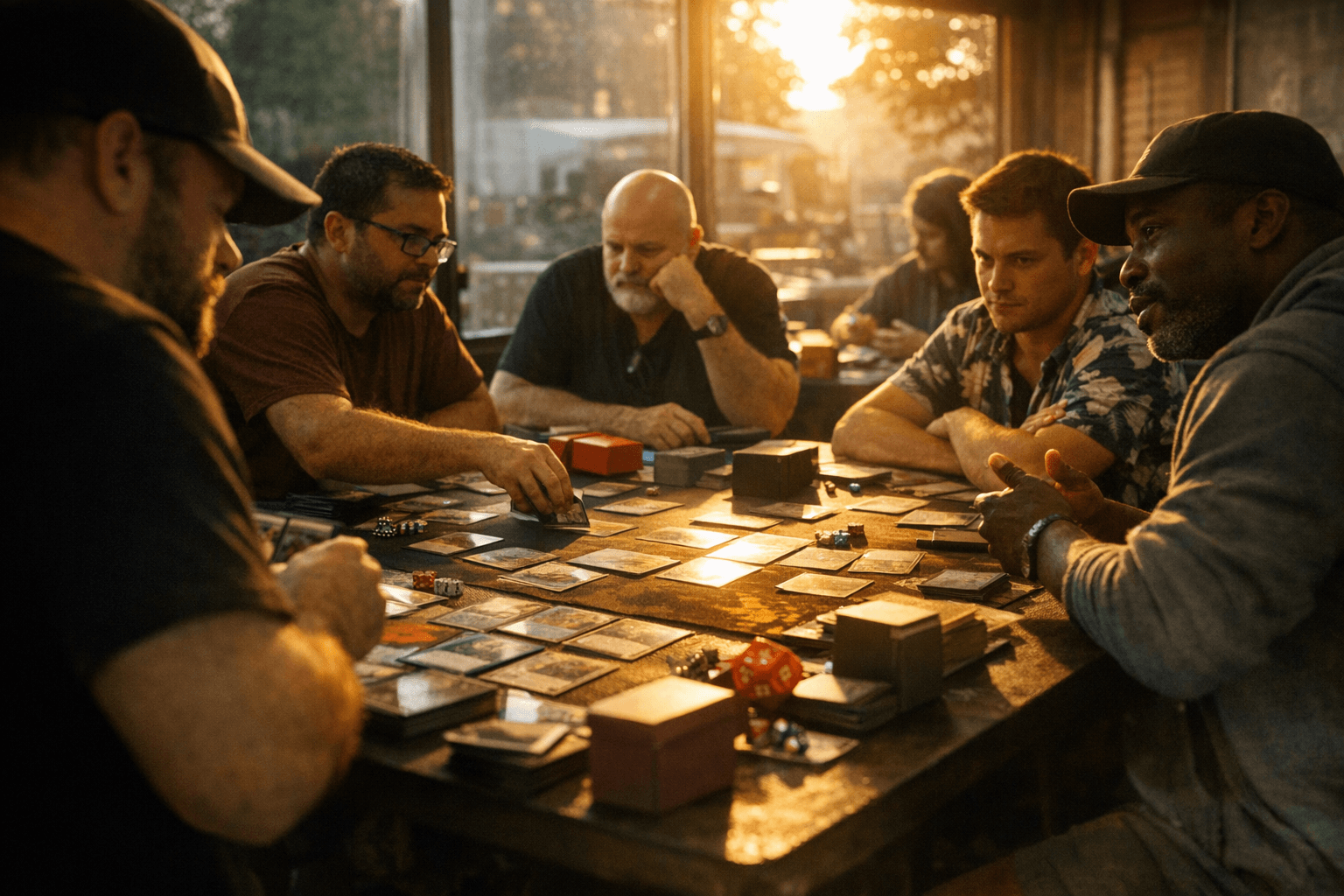
That split is not just internet noise. It is the practical problem of Commander night, where one player wants a story, another wants a tighter line, and both may honestly think they showed up for “fun.” The reason the discussion traveled so far is that it did not sound like abstract philosophy. It sounded like a table argument everyone has already had in some form.
Commander was built for this tension
Wizards describes Commander as a casual, multiplayer format built around a 100-card deck with one legendary commander, usually for four players, and says the game is meant to be driven by strategy, skill, and deck-building fun. That matters, because the format is not asking players to ignore competition. It is asking them to fit competition inside a larger social frame.
The official Commander philosophy goes further and says the format is “not a traditional format.” When social atmosphere and competition collide, the format’s own language says the social side comes first, alongside creativity and stability. The Commander Rules Committee has summed it up even more plainly: “Commander is for fun,” and players should collectively encourage a game where everyone has fun.
That does not mean winning is irrelevant. It means the format assumes the table is part of the game state. In Commander, the clean line between “optimized” and “acceptable” often depends less on raw card quality than on whether the pod agreed on the kind of game it wanted before shuffling.
Rule Zero is still the real first turn
The social contract has always been Commander’s quiet governing law. Rule Zero culture says players should discuss expectations before the game starts, rather than assume everyone is chasing the same experience. That is the simplest way to avoid the mismatch that turns one person’s “fair game” into another person’s pub-stomp.
Card Kingdom’s widely cited playgroup guide puts the everyday version of that idea into plain language. Commander is a refuge for players who want to play pet cards, create complex board states, tell stories, and enjoy big memorable moments rather than only maximize wins. The same guide also makes the hard-edged point that matters most at the table: be honest about power level, and when rules or edge cases come up, the key question is whether the playgroup is cool with it.
That is the real takeaway from the matsuba_edh discussion. “Fun” is not a single thing everyone secretly agrees on. In Commander, fun is something the pod has to define out loud, because a deck built for a highlight reel and a deck built for consistency will often feel like they belong in different rooms.
The new governance era has made the conversation more explicit
This debate is landing in a changed Commander landscape. In October 2024, Wizards announced the Commander Format Panel after taking over management of the format from the Commander Rules Committee. The point of that panel was to hear from the whole range of Commander players, from extremely casual decks to cEDH players, so the conversation would not be trapped at one end of the spectrum.
By October 21, 2025, Wizards said the Commander Brackets beta had already been running for nine months and had appeared across three MagicCons. The stated purpose was not to replace the social contract, but to make the pregame talk better, so players could find games that match their expectations more reliably. In other words, the official answer to mismatched pods was not to erase social negotiation. It was to improve it.
That shift matters because it recognizes what Commander players already know: the format does not break down when people care about winning. It breaks down when people care about winning without saying so, or care about vibes without admitting what those vibes require. The new structure is built to give players a sharper shared language before the first land drop.
How communities are translating “fun” into actual pod labels
Community platforms have long done their own version of this sorting, and PlayEDH is the clearest example. It currently recognizes five power levels: Battlecruiser, Low Power, Mid Power, High Power, and Competitive EDH. The goal is not just to sound organized. It is to create pods where each deck has a roughly even chance of winning within its bracket.
That kind of classification can feel clinical, but it solves a real Commander problem. A precon loaded with pet cards, a high-power value pile, and a tuned cEDH list are all Commander decks, yet they create very different expectations the moment they sit down together. When players use the same labels, they are not just naming deck strength. They are telling the table how much friction, speed, and pressure they want in the game.
For a lot of groups, that vocabulary is the difference between a smooth night and a miserable one. A deck can be technically legal and still be a bad fit. The best pods are the ones that can hear “Battlecruiser” or “High Power” and immediately understand what kind of game is being promised.
What to say before the game starts
The most useful lesson in this whole debate is not philosophical. It is procedural. If you want less tension and fewer mismatched games, the conversation before the first shuffle needs to be specific enough that nobody has to guess.
- Name your deck’s real goal, not just its colors or commander. Say whether it is built to grind, combo, swing hard, or showcase favorite cards.
- Be honest about speed. A deck that starts pressuring the table on turn three is not the same experience as one that ramps into big splashy turns.
- Use a power-level label if your group has one. Whether that means PlayEDH-style buckets or your own house shorthand, consistency beats improvisation.
- Say what kind of finish you want. Some pods want long, swingy board states; others want sharper, more competitive lines.
- Treat “fun” as a shared agreement, not a default setting. The whole table has to sign up for the same kind of night.
Winning and fun are not opposites, but they are not identical either
The strongest reading of matsuba_edh’s post is that it exposed a false choice many Commander players still fall into. Fun is not only janky self-expression, and winning is not only soulless optimization. The healthiest pods usually live in the overlap, where players care about their own decks, the table’s expectations, and the quality of the game that actually unfolds.
That is why this argument keeps returning, even as Wizards adds panels, brackets, and broader input from across the format. Commander is still a social game first, even when the lines get sharp. The pods that last are the ones that know exactly what they are trying to play before anyone draws seven.
This article was produced by Prism’s automated news system from verified source data, official records, and press releases, then run through automated quality and moderation checks before publishing. The system is built and supervised by the people who set the standards it runs under. Read our full AI policy.
Did this article answer your question?