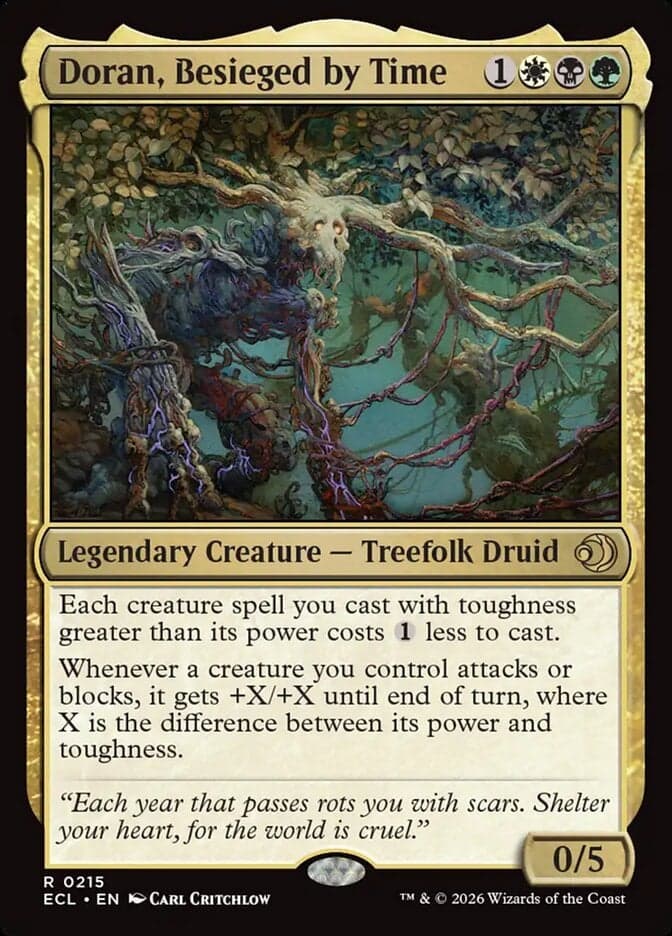
EDHREC spotlights Eluge, Shoreless Sea, and its flood-counter spell discounts
Eluge’s best builds are about timing, not just value. The strongest upgrades are flood-counter engines, giant refills, and blink lines that make the first spell each turn absurdly cheap.
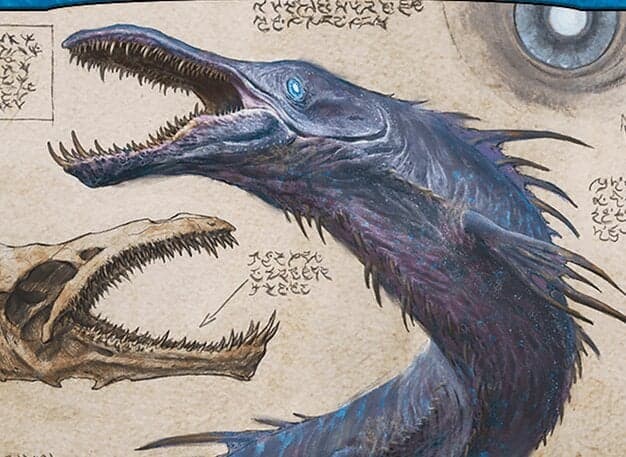
The first cards to trim from Eluge are the ones that look safe in mono-blue but do not help you cash in the commander’s flood counters on schedule. Eluge, the Shoreless Sea discounts only the first instant or sorcery you cast each turn, and the ruling that blue symbols get reduced before generic mana means some flashy spells are better than they read while others are secretly clunkier. If a card does not help you attack, enter, blink, draw, or sequence that first spell, it is probably working against the deck’s best turns.
What Eluge is actually doing
Eluge is a Bloomburrow mythic rare legendary creature, an Elemental Fish that costs {1}{U}{U}{U}. Its power and toughness are each equal to the number of Islands you control, which means the commander grows as your mana base fills out, but the real engine is the flood counter text: whenever Eluge enters or attacks, you put a flood counter on target land, and that land stays an Island in addition to its other types for as long as it has that counter.
That rules package matters because it gives you two jobs at once. You want enough Islands to make Eluge a real threat in combat, but you also want to keep feeding the flood-counter count so your first spell each turn gets cheaper and cheaper. The official ruling that the power and toughness ability functions in all zones is a nice extra reminder that this commander is built around very specific, very visible game text, not a vague value engine.
The cuts are the cards that miss the timing window
Once you frame Eluge as a spell-sequencing commander, the weakest cards become easy to spot. Mono-blue staples that ask you to spend mana without advancing flood counters, without refilling your hand, or without improving your first-spell turn are the first place to look when you are making swaps. The deck does not want to drift into generic control posture and hope to win later; it wants to turn the next instant or sorcery into a blowout right now.
That also changes how you look at your top end. Spells with heavy blue costs can still be strong, but the cost reduction is most impressive when it is actually converting the flood-counter engine into a massive discount. If a spell has to fight through a pile of blue pips before the generic mana even starts to shrink, it is often less explosive than a card with a cleaner cost and a bigger payoff when Eluge is online.
A practical first-swap mindset looks like this:
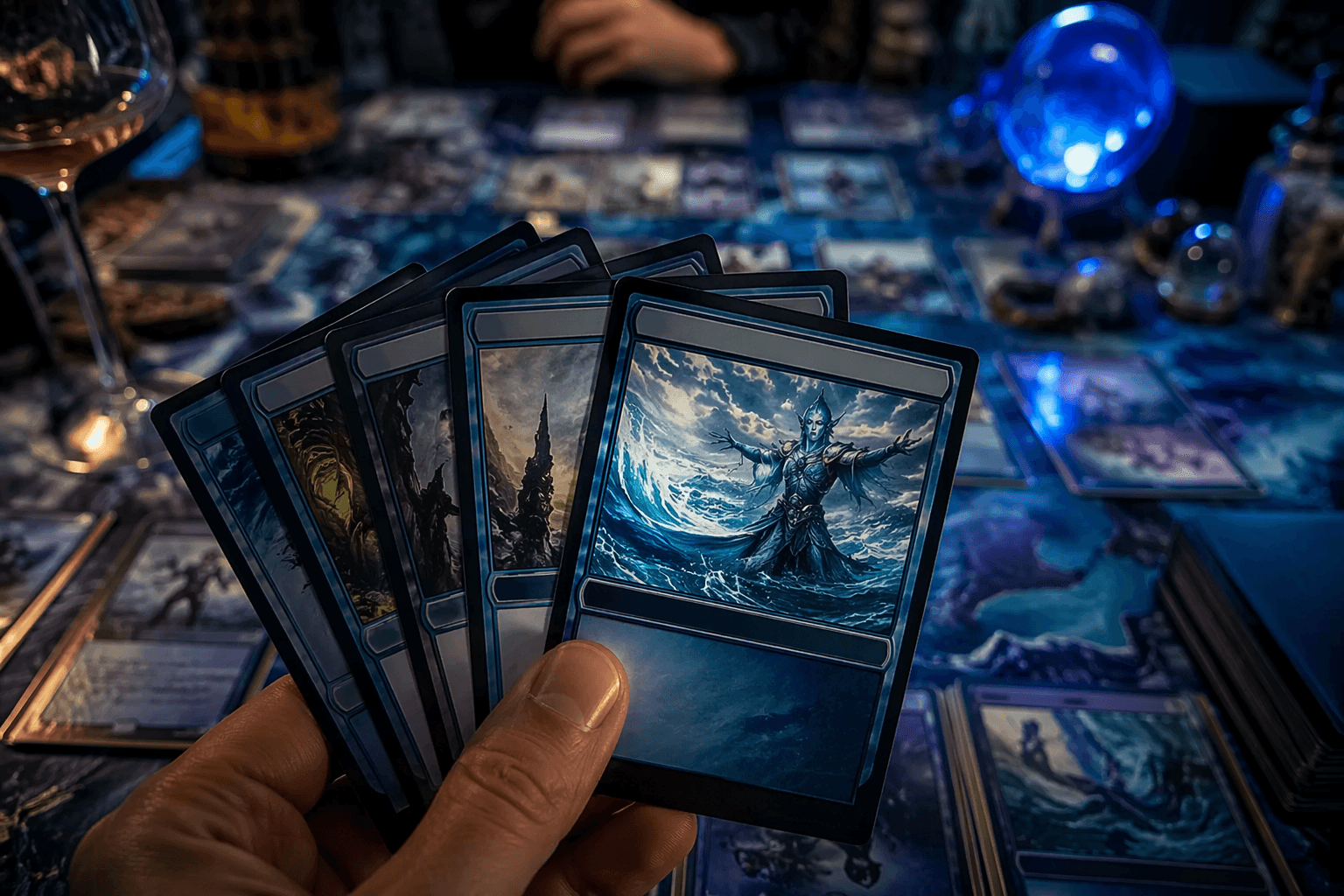
- Keep cards that create extra Eluge triggers or multiply flood counters.
- Keep spells that become wildly efficient when your first cast each turn is discounted.
- Cut cards that only matter when you are already ahead and do not help you reach the first big turn.
The overlooked inclusions are the ones that let the chain start sooner
The most interesting Eluge tech is not just about more mana, it is about more commander triggers. EDHREC’s Fire and Ice look at Eluge notes that some pilots blink the commander specifically to pick up extra enter-the-battlefield flood counters, and that tells you everything about how the deck wants to play. If you can make Eluge enter more than once, you are not just adding another Island to the pile, you are increasing the discount on every first spell that follows.
That is where cards like Irma, Part-Time Mutant get attention. The article singles it out as a notable inclusion because it acts like a copy or pseudo-copy of Eluge, which doubles the flood-counter pressure and pushes the spell discount higher. In a deck built around one huge turn into another huge turn, that kind of redundancy is not cute tech, it is the difference between a fair control deck and a commander that starts chaining impossible turns.
The core package already points the way
EDHREC currently groups Eluge decks under Spellslinger, Control, and Extra Turns, and that combination is a good shorthand for how the strongest lists are built. Finale of Revelation, Wavebreak Hippocamp, and The Flood of Mars are among the most played cards, which lines up with the commander’s real incentive structure: draw a lot, keep the hand moving, and turn the first spell each turn into a bargain. Once you see those names together, the shape of the deck becomes obvious. Eluge is not trying to win by slowly accruing advantages. It is trying to spend one turn to set up the next two.
Wisdom of Ages is the clearest example of that philosophy. EDHREC gives it an extremely high Fire Score of 15.66, and the card’s appeal is straightforward: it refills your hand with a pile of instants and sorceries for a tiny fraction of what that kind of effect normally costs. In Eluge, that is more than card draw. It is a second wind that keeps the commander’s reduced-cost spell chain alive after the first big burst.
Why the deck keeps growing around these lines
Eluge’s Commander adoption is already substantial, with EDHREC tracking roughly 14,040 decks. That number matters because it suggests the commander has moved well beyond novelty and into a real, established shell where the most successful ideas are starting to repeat. The history helps explain the current shape too: Bloomburrow introduced Eluge as one of the set’s Calamity Beasts, and spoiler-season coverage highlighted the unusual flood-counter mechanic and the mono-blue casting cost as the biggest deck-building constraint.
The set released on tabletop on July 26, 2024, and on MTG Arena on July 30, 2024, so the card’s identity was locked in from the start. Eluge was never going to be a pile of random blue goodstuff. It was always going to reward the player who understands that the first spell of the turn is the spell that matters most, and the best lists are the ones that build around that pressure with flood counters, draw engines, and blink lines instead of padding the deck with familiar filler.
The keep/cut test for Eluge is simple once you accept that premise. If a card does not help the Shoreless Sea hit its flood-counter rhythm, it is making the wrong part of mono-blue look important.
This article was produced by Prism’s automated news system from verified source data, official records, and press releases, then run through automated quality and moderation checks before publishing. The system is built and supervised by the people who set the standards it runs under. Read our full AI policy.
Know something we missed? Have a correction or additional information?
Submit a Tip