EDHREC spotlights Reid Duke inspired Grixis control in Commander
EDHREC’s Reid Duke-inspired Grixis shell turns Commander control into a real plan: strip hands, trade early, and win by making the table play fair on your terms.

Legacy control, translated for a multiplayer table
EDHREC’s latest Commander deck piece lands with the kind of blunt attitude control mages love: “Why should your opponents be allowed to play cards?” That is not just a joke, it is the whole philosophy of the build. The deck is framed as a Legacy-inspired Grixis discard list, and it treats Commander less like a battlecruiser brawl and more like a resource-management puzzle where every card in hand matters.
The key lesson is not that Commander should become Legacy. It is that Legacy Grixis Control has a set of habits worth stealing: deny resources early, play at instant speed, pick threats carefully, and only commit to a win once the table has been forced low on options. In Commander, that style has to survive singleton construction, color identity rules, and a multiplayer table of three to five players, so the deck has to be more flexible than a 60-card legacy list. Still, the core attitude translates cleanly: if you can keep the game from becoming symmetrical, you can make control work.
Why Zevlor is the right kind of commander
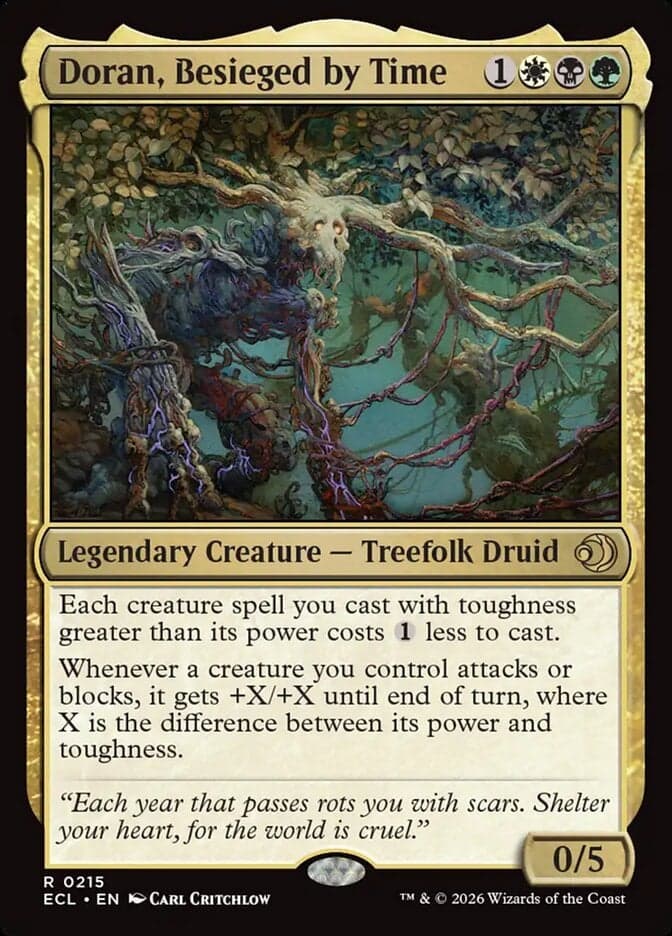
Zevlor, Elturel Exile is the obvious bridge between those worlds. He is a Grixis commander from Commander Legends: Battle for Baldur’s Gate, and his corrected Oracle text matters a great deal here. The printed card missed the word “only,” which changes the card’s meaning in a way that matters for deck design, because Zevlor copies only the first instant or sorcery spell you cast each turn that targets only a single opponent or a permanent they control.
That small rules correction points directly toward the deck’s best game plan. Zevlor wants targeted discard, pinpoint removal, and theft effects, not broad symmetrical spells that help the table recover together. EDHREC’s own commander data reflects that profile, categorizing Zevlor’s common themes as Spellslinger, Spell Copy, Theft, and Control. In other words, Zevlor is not trying to be the face of a fair value deck. He is built to turn narrow spells into repeatable pressure.
The Reid Duke model
The Reid Duke reference is not decorative. TCGplayer notes that Duke famously took Legacy Grixis Control to GP Richmond in 2018, and the old decklist from that event shows exactly the kind of cards this Commander piece is trying to evoke. Hymn to Tourach, Thoughtseize, Force of Will, Brainstorm, Ponder, Jace, the Mind Sculptor, and Kolaghan’s Command all point to a shell that wins by compressing the opponent’s options before the endgame even starts.
That matters because it gives the Commander deck a real constructed-format identity instead of the usual “play the best blue-black-red cards” blur. Duke’s list was about stripping information, forcing awkward sequencing, and turning efficient interaction into inevitability. When that structure is imported into Commander, the result is not a copy of Legacy, but a deck that understands the same pressure points: hands, tempo, and threat density.
How the plan changes in Commander
The hardest part of converting Legacy control into EDH is that the table does not play one opponent at a time. If you spend all your early turns one-for-one trading with a single player, the other two or three players can quietly develop while you run out of cards. That is why this style has to lean on effects that do more than answer a single threat in isolation.
A good Grixis control list in Commander has to think in layers:
- Early discard should hit the player most likely to break parity first.
- Removal should be reserved for threats that either generate cards, protect a combo, or invalidate your plan.
- Card advantage needs to come from spells that replace themselves or create repeatable pressure.
- Finishers should close quickly once the table is low on resources, not drag the game back open.
Zevlor helps because he turns those narrow spells into a little bit of extra equity. If the first targeted spell each turn gets copied, then a single removal spell or discard effect becomes much more punishing, especially when the deck is built to cast interaction on several turns, not just on your own.
Building the shell around resource denial
The real transferable lesson from Legacy Grixis Control is resource denial, not raw speed. Commander players often assume control decks need to be slower than everyone else and then eventually overpower the table with giant threats. This build takes the opposite view: if you can keep opponents off balance, you do not need to race them, you just need to keep them from assembling a stable board.
That means the deck should prioritize interaction that creates awkward turns. Discard strips away the card they were planning to hold up. Instant-speed removal punishes tap-out play. Theft effects turn an opponent’s best card into your tempo swing. The most effective version of the deck does not try to answer everything. It answers the cards that matter most and leaves the rest of the table trying to rebuild under pressure.
The multiplayer reality check
EDH is still EDH, and that means politics, board size, and hidden information all change the job description. A card like Hymn to Tourach is terrifying in Legacy because it attacks efficiency in a duel; in Commander, it is part of a larger plan to keep one player from snowballing while you survive the table. The goal is not to lock everyone out forever. The goal is to keep the game from ever becoming comfortable enough for your opponents to coordinate a clean answer.
That is also why the deck’s mood matters as much as its card choices. EDHREC is not pretending this is a friendly midrange pile or a casual battlecruiser brew. It is presenting a control deck that is deliberately oppressive in spots, but honest about what it wants to do: deny resources, use Zevlor to amplify pointed spells, and convert that advantage into a small, controlled win condition.
The mirrored deck page reinforces that pedigree by showing a custom 60-card list with an estimated cost of $9,282.65. That number is a reminder that the inspiration comes from a historically expensive Legacy shell, not a random pile of Grixis staples. The Commander version does not need to recreate that price tag or that exact card pool, but it does need to preserve the same feeling: opponents spend the game trying to rebuild while you spend it deciding which card they are still allowed to keep.
In the end, that opening question is the whole attraction. “Why should your opponents be allowed to play cards?” is funny because it is rude, but it is also a clean statement of intent. In Commander, a Legacy-inspired Grixis control deck works when it uses that attitude with discipline, turns narrow interaction into repeated pressure, and makes the table feel every single resource it loses.
This article was produced by Prism’s automated news system from verified source data, official records, and press releases, then run through automated quality and moderation checks before publishing. The system is built and supervised by the people who set the standards it runs under. Read our full AI policy.
Know something we missed? Have a correction or additional information?
Submit a Tip