Eternity Vessel Surges in Commander, Turning Life Total into a Resource
Eternity Vessel looks like a clunky relic, but in Commander it can reset life totals, fuel charge counters, and even backdoor into alternate wins.
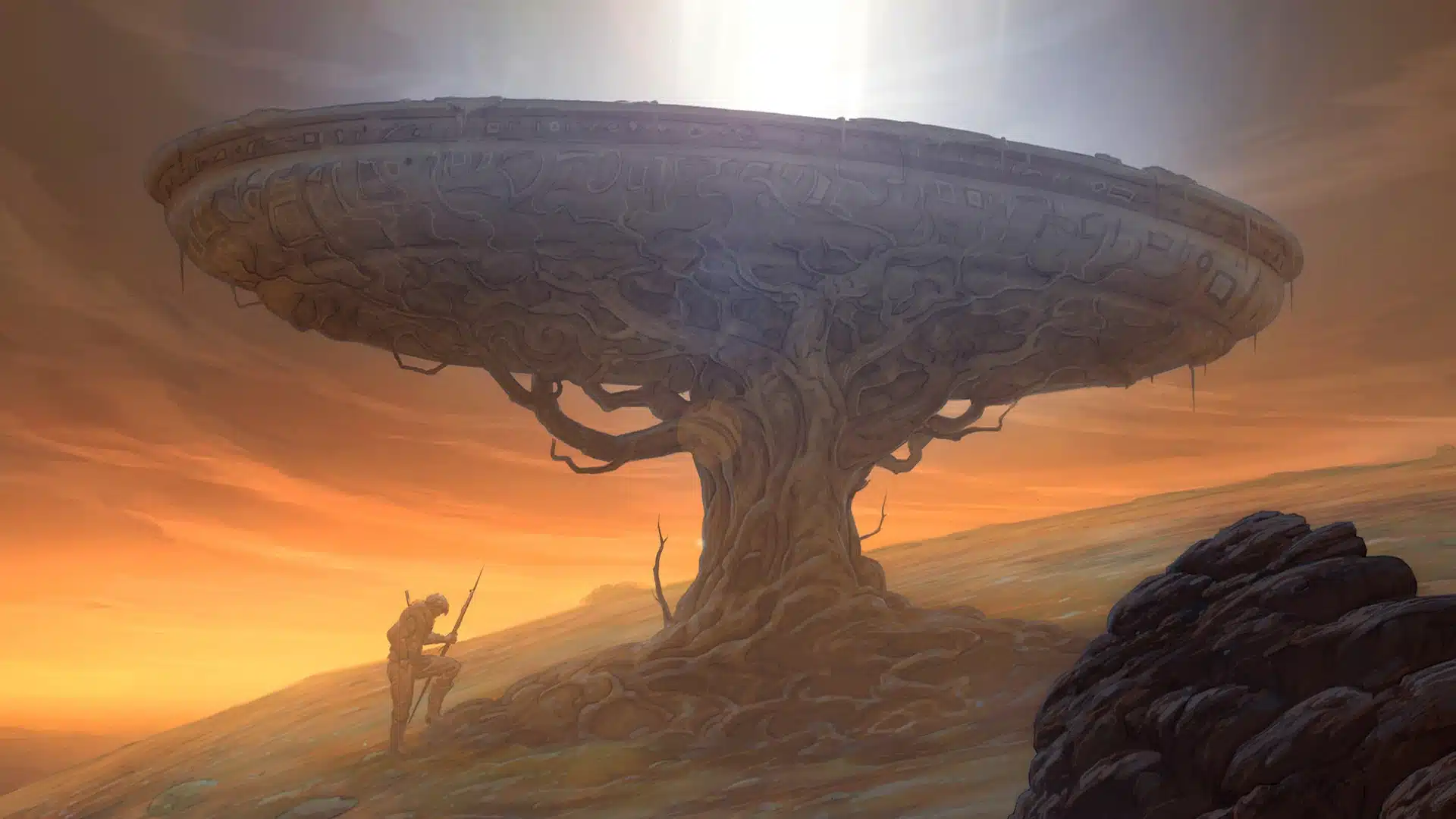
**Eternity Vessel is the kind of card that makes Commander deckbuilders stop and read it twice.** On paper, it looks awkward. In the right shell, though, it turns life total into a stored resource, lets lands act like recovery buttons, and opens a path to some very real alternate-win pressure. That is the appeal here: not flashy nostalgia, but a weird artifact that can quietly become a game plan.
Why Eternity Vessel matters in Commander
The entire card starts from one simple rule: Eternity Vessel enters with X charge counters, where X is your life total. Its landfall ability then lets you set your life total to the number of charge counters on it whenever a land enters under your control. In Commander, where players begin at 40 life and the format is built around a 99-card deck plus one commander in a usually four-player game, that text becomes much more relevant than it first appears.
The baseline is already strong. If you cast it while you are still sitting at 40, it arrives with 40 charge counters. From there, every land drop can function like a life-total reset that locks you back to the number of counters on the artifact. That means life payment decks can spend aggressively, then snap back up later instead of treating life loss as permanent damage.
The Gatherer rulings add one more wrinkle that matters in real games: in Two-Headed Giant, the Vessel enters with the team’s shared life total as its charge-counter count. That makes it even stranger, because the card does not just scale with your own life, it scales with the whole table-facing structure of the format.
The best shells are the ones already leaning on life as fuel
Eternity Vessel is at its most believable in decks that already want to treat life as a resource. The notes point to Verrak, Warped Sengir and Teval, Arbiter of Virtue as natural homes, and that tracks cleanly. Both commanders reward lines where big life totals, life payments, or life-total manipulation create value instead of just preserving a buffer.
That is the real test for the card. If your deck is trying to win fairly on combat alone, Eternity Vessel is probably just a bulky artifact. If your deck is already paying life for cards, for activations, or for setup, the Vessel becomes a safety valve that can turn those costs into a less risky proposition. It gives you permission to spend life early, then rebuild from a much higher floor than most decks can manage.

The practical question is not whether the artifact is powerful in a vacuum. It is whether your commander and 99 cards can make the life-total reset matter more than the slot it consumes. In the right list, the answer is yes.
Charge counters are the hidden second engine
Eternity Vessel also gets better when you stop treating it like a one-card gimmick and start treating it like part of a larger charge-counter package. The article calls out Inspirit, Flagship Vessel and Evolution Sage as strong support pieces, and the reason is straightforward: once the Vessel is online, every extra counter makes the life reset more relevant.
Proliferate is a major part of that plan. The official rules let proliferate add counters such as charge counters, and the mechanic can target players and permanents that already have counters on them. In practice, that means a single proliferate trigger can help grow the Vessel, the rest of your counter board, or both at once. Evolution Sage is especially clean in a land-heavy build because it naturally turns land drops into extra counter growth.
Vorel of the Hull Clade pushes the same idea from another angle by doubling counters instead of merely adding one. That kind of acceleration can turn a respectable Vessel into a dramatically larger buffer in short order. Sin, Unending Cataclysm takes the theme even further by converting counter infrastructure into board-state advantage, which is exactly the sort of card that makes a deck like this feel less like one cute artifact and more like a cohesive engine.
The alternate-win lines are what make the card more than a meme
This is where Eternity Vessel stops being a novelty and starts looking dangerous. The most obvious payoff mentioned is Darksteel Reactor, an indestructible artifact that wins the game when it reaches twenty or more charge counters. If you can move, copy, or reframe counters correctly, Vessel-supported growth can feed that win condition directly.
The specific cards named here matter because they show how flexible the shell can be. Dismantle, Resourceful Defense, Moxite Refinery, Saheeli, Sublime Artificer, and True Polymorph each offer a different way to rework the artifact plan or reposition the counters behind it. That means the Vessel does not need to do everything by itself. It can be the reserve tank that keeps your counter engine alive while another permanent becomes the actual win condition.
All Will Be One creates a different style of payoff. Its Oracle text says it deals damage equal to the number of counters you put on a permanent or player, which means counter growth can suddenly become a damage engine. With Eternity Vessel, that opens a line where life-total manipulation is no longer just defensive. It can help translate a counter burst into direct pressure, especially in a build already leaning into proliferate and other counter-positive plays. Phyrexia: All Will Be One released on January 31, 2023, and that timing matters because it gave counter decks another clean finish that scales off the same core setup.
So is it real tech or just a flashy relic?
It is both, and the difference comes down to setup cost. Eternity Vessel asks for three things: a healthy life total, enough land drops to keep the reset online, and some way to make charge counters matter beyond simple survival. That is not free, and it is not a card for every green-white goodstuff list that happens to gain life.
But the payoff is unusually broad. In the right Commander shell, the Vessel can stabilize life payments, fuel proliferate turns, support counter-doubling, and feed alternate wins that close games on the spot. It is exactly the kind of artifact Commander rewards: weird text, layered synergies, and enough room to turn a clunky old mythic into a genuine plan.
For decks built to spend life and win through counters, Eternity Vessel is not just playable. It is the sort of card that turns a life total into something you can actually bank.
This article was produced by Prism’s automated news system from verified source data, official records, and press releases, then run through automated quality and moderation checks before publishing. The system is built and supervised by the people who set the standards it runs under. Read our full AI policy.
Did this article answer your question?