Goblin Storm works best as a focused Muxus Goblin deck
Goblin Storm’s best upgrade is a choice, not a compromise. Lean into Muxus and Goblin typal, and the precon stops splitting itself between two plans.
Goblin Storm asks for a decision before it asks for upgrades
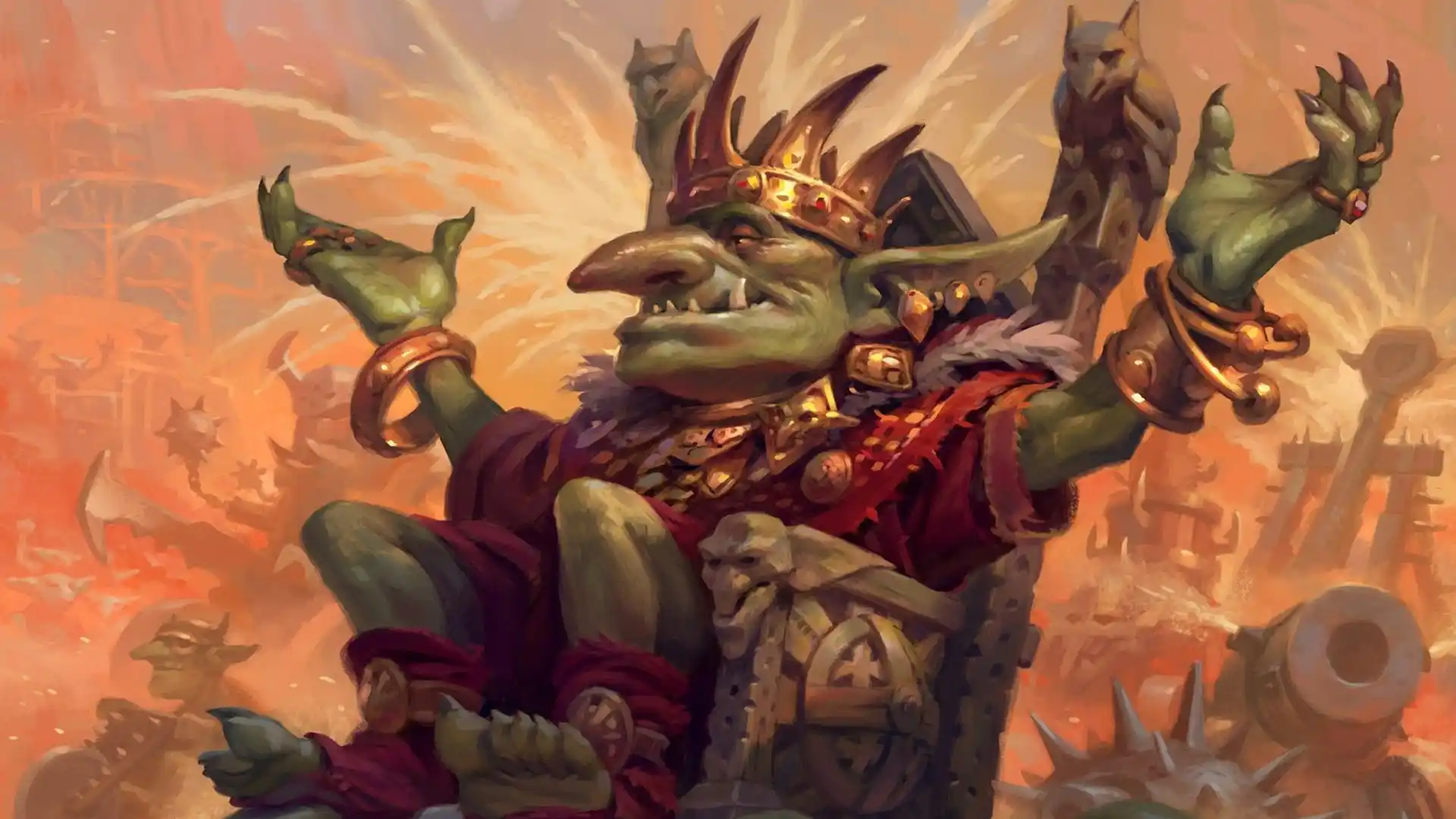
Goblin Storm looks like a deck full of fireworks, but the first real tuning choice is simple: do you want Goblins, or do you want Storm? The strongest version of the precon does not sit in the middle. It gets better fast when you stop asking one 100-card list to be two different Commander decks and push it toward a single identity, with Muxus, Goblin Grandee as the cleanest end point for most players.
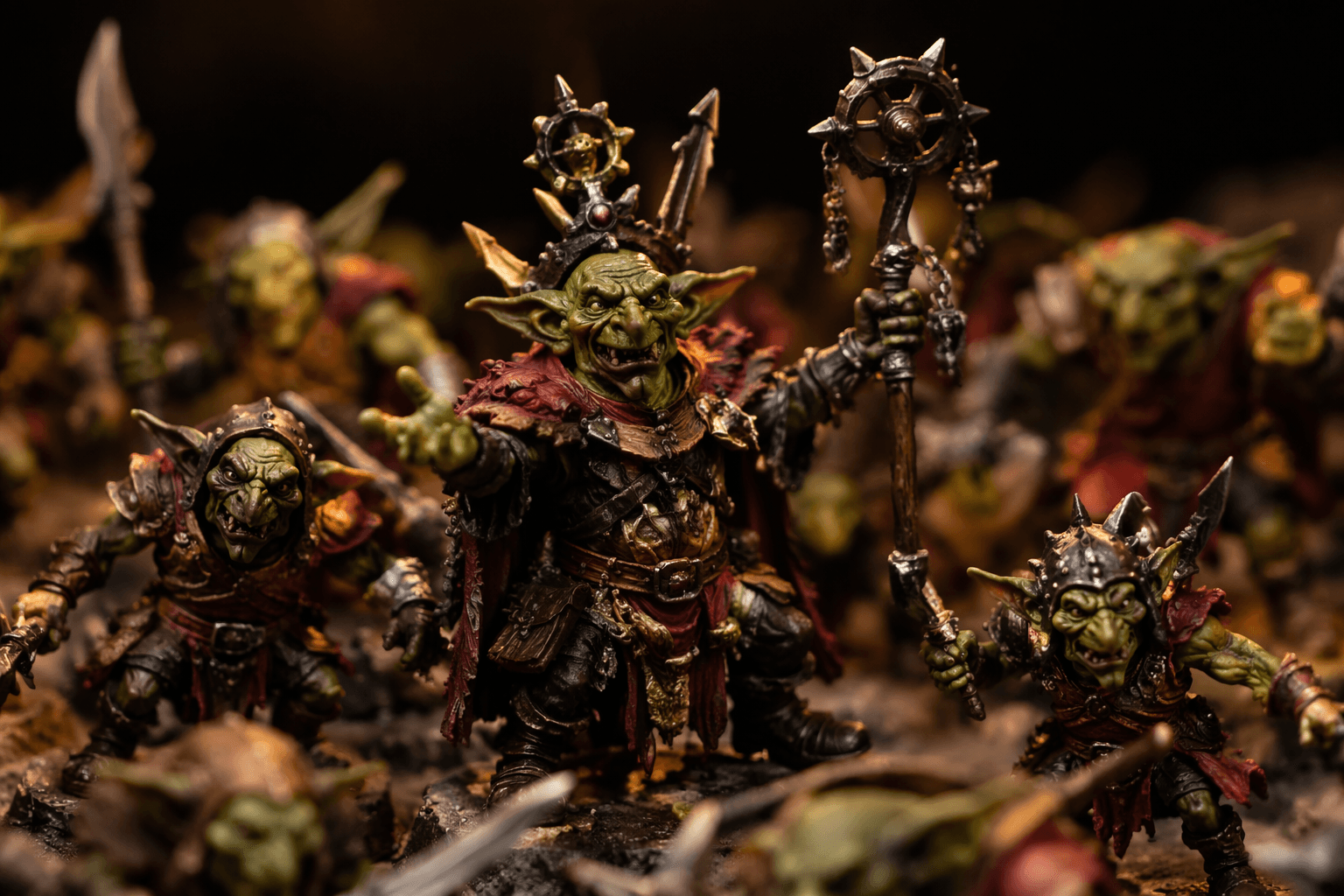
That matters because the stock list already has the pieces to do something powerful. It has the Goblin backbone, the rituals, and the spell-chain cards that make the shell feel explosive right out of the box. The question is not whether the deck has upside. It is which direction turns that upside into wins without wasting slots on half-measures.
What Wizards put in the box
Wizards’ official decklist says Goblin Storm is a 100-card Commander deck designed by Studio X’s Eli Rice and Carmen Klomparens. It also comes with 12 foil borderless cards with new art and 22 foil borderless panoramic Mountains, which gives the product a showpiece feel before a single upgrade is made.
The list itself is full of recognizable Goblin tools and combo pressure. Zada, Hedron Grinder, Krenko, Mob Boss, Conspicuous Snoop, Skirk Prospector, Goblin Chieftain, Goblin Matron, Goblin Warchief, Battle Hymn, Brightstone Ritual, Seething Song, Empty the Warrens, Grapeshot, Past in Flames, and Mana Geyser all show up in the official build. Wizards also listed Secret Lair Commander Deck: Goblin Storm as hitting Secret Lair on May 18, 2026, which gives the deck a very specific release identity, not just a generic precon profile.
That card mix is exactly why the deck feels so volatile. It already has enough mana acceleration to create huge turns, but it is also packed with cards that pull toward different finishes. That is the opening for the upgrade plan.
Why the hybrid plan is the weakest one
The temptation is to keep everything. Zada, Hedron Grinder can bridge spell-heavy turns and Goblin board states, and the deck’s rituals already hint at Storm lines. Conspicuous Snoop adds another layer, because it rewards combo awareness and can help assemble kills when the right pieces line up.
But a deck that tries to be both a Goblin swarm list and a spell-chain combo deck usually ends up drawing the wrong half at the wrong time. Your creature density drops, your payoff cards get less reliable, and your turns start feeling busy instead of lethal. In Commander, that kind of split identity is often more expensive than it looks, because every “flexible” slot is one fewer card making the main plan happen faster.
For Goblin Storm, the hybrid build is serviceable but not the best use of the product. If the goal is performance and value, the cleaner path is to pick the Goblin plan and make the deck much better at doing the thing Goblins already want to do: flood the board, trigger tribal payoffs, and convert mana into sudden table-wide damage.
Why Muxus is the right finish line
If you are tuning this precon toward Goblin typal, Muxus, Goblin Grandee is the commander that gives the deck a real ceiling. He turns every high-density Goblin draw into a chance to dump a huge chunk of your library onto the battlefield, and the stock list already supports that plan better than it supports a dedicated Storm shell.
The best part is that several existing cards already improve Muxus turns. Goblin Ringleader, Moria Marauder, and Warren Instigator make the deck more consistent at finding action and turning a board of small red creatures into an avalanche of pressure. Krenko, Mob Boss, which is already in the 99, becomes even better once the deck commits to Goblin count and tribal payoff density, because he adds the kind of board growth that Muxus decks love to follow up on.
That is the key insight for the precon: the Goblin plan is not a consolation prize. It is the natural home for the strongest cards already in the list.
The first cuts and adds that matter most
If the plan is Goblin typal, the first cut is easy: Zada, Hedron Grinder. She is the most obvious bridge piece, but she is also the card that most clearly encourages the deck to stay split between two identities. Once she is out, the list can stop pretending it needs to care about every spell-casting angle and start maximizing Goblin count and Goblin payoffs.
From there, the most meaningful adds are the cards that make Muxus and the wider Goblin engine more reliable. Goblin Recruiter and Kiki-Jiki, Mirror Breaker become especially nasty once the deck is no longer trying to split attention. Goblin Recruiter sharpens draws and Kiki-Jiki turns any valuable body into repeated value, which is exactly the kind of snowballing Goblin decks want.
Typal payoffs also pull serious weight here. Vanquisher’s Banner, Chronicle of Victory, Molten Echoes, and Panharmonicon all turn a board that already contains several Goblins into a lethal table presence much faster than the stock precon. These cards do not just add power. They add inevitability, which is what a Goblin deck wants once it gets past the first wave of attacks.
What to keep, even in a focused build
A focused Goblin build does not mean throwing away every ritual. Battle Hymn, Brightstone Ritual, Seething Song, and Mana Geyser still matter because they make the deck capable of huge Goblin turns. In a Muxus shell, that burst mana is often the difference between developing modestly and exploding into a board state that demands a wrath immediately.
That is also why this precon has more upside than it first appears. The deck already contains the ingredients for explosive mana, creature swarms, and combo pressure. The mistake is trying to keep all three plans equally live. Once the list is built around one clear identity, the cards start supporting each other instead of competing for space.
The best value is the focused build
Goblin Storm is at its best when it stops being a compromise. The Storm cards give it style, and the Goblin cards give it a real win condition, but Muxus makes the choice obvious: the strongest upgrade path is to trim the hybrid pieces, keep the mana engines, and turn the precon into a dedicated Goblin deck that can actually end games.
That is the real appeal of the product. It does not just offer a flashy sealed experience. It gives you a strong launch point for a deck that becomes much more dangerous the moment you commit to the Goblin plan and let Muxus do what he does best.
This article was produced by Prism’s automated news system from verified source data, official records, and press releases, then run through automated quality and moderation checks before publishing. The system is built and supervised by the people who set the standards it runs under. Read our full AI policy.
Know something we missed? Have a correction or additional information?
Submit a Tip