Spike Feeders teams up with EDHijinks and GLHF Commander for Commander crossover
Two very different Commander builds make this crossover worth stealing from: one snowballs combat with tribal payoffs, the other grinds value through enchantments.
Why this crossover is more than a guest spot
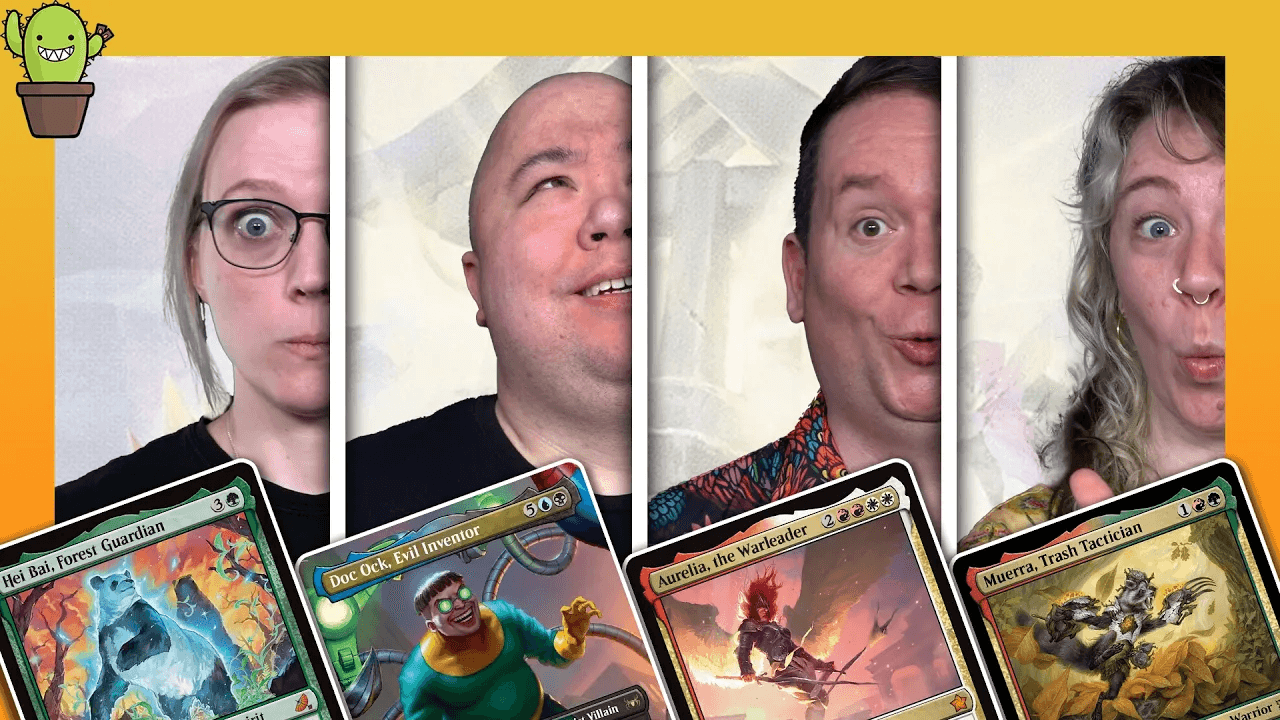
The best thing about this Spike Feeders episode is not just that it brings in new faces. It gives you two clean Commander game plans you can actually copy, one built to turn sideways fast and one built to bury the table in enchantment value. That makes the feature feel useful right away, because it answers the question every pod asks sooner or later: what kind of deck is doing the real work here?
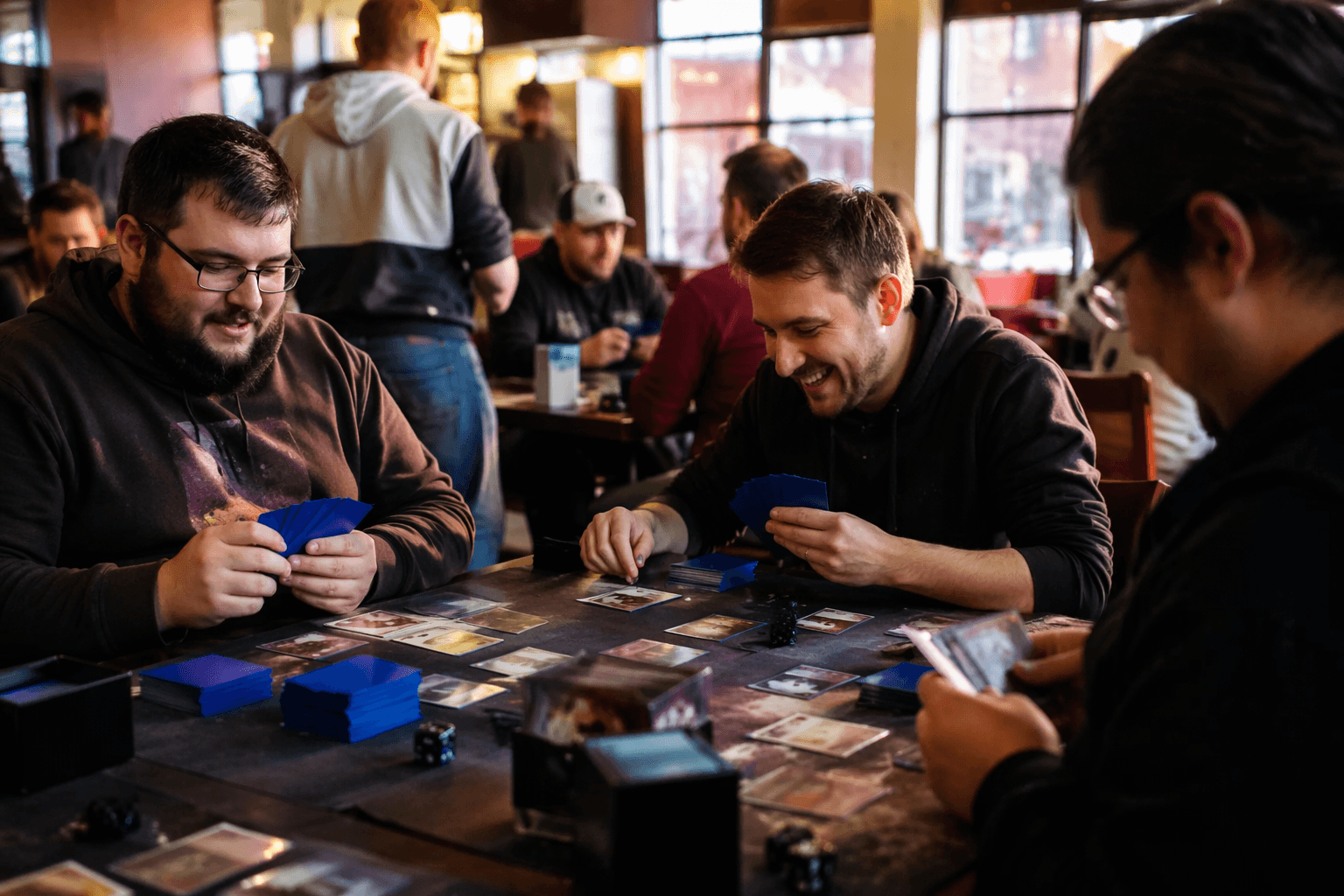
The setup matters too. Commander is a 100-card, singleton, 40-life multiplayer format led by a commander in the command zone, and Wizards of the Coast describes it as the game’s casual multiplayer format that was created and popularized by fans. It has also become one of Magic’s most popular formats, which is exactly why crossover episodes like this land so well. The Spike Feeders are eight friends based in Winnipeg, Manitoba, Canada, and their site says they make gameplay, podcasts, deck techs, and more, so this collaboration fits the group’s lane perfectly.
The combat plan you can steal from Muerra, Trash Tactician
Meghan’s Muerra, Trash Tactician list is the clearest “take this to your next pod” deck in the mix if you like ending games through pressure instead of slow durdling. The build leans hard into a creature-heavy, typal, synergy-forward plan, and the visible cards make the direction obvious immediately. Taurean Mauler, Metallic Mimic, Realmwalker, Toski, Scrappy Bruiser, Roaming Throne, Tribal Unity, Door of Destinies, Shared Animosity, Beastmaster Ascension, Kindred Charge, Herald’s Horn, and Jeska’s Will all point toward the same goal: make every creature count, then make every attack matter.
That is the real lesson to borrow from the list. If your Commander deck is trying to win through combat, it does not need to hide its intentions, it needs enough payoff density that every draw step advances the same plan. This build shows how to stack creature buffs, card flow, and mana acceleration so the table cannot ignore your board for long. Jeska’s Will adds explosive fuel, while cards like Shared Animosity, Beastmaster Ascension, and Door of Destinies create the kind of pressure that forces blocks, sweeps, and bad decisions.
The mana base reinforces that idea instead of fighting it. The list uses utility lands like The Shire, Mines of Moria, Arena of Glory, and Fountainport, plus several red-green duals, which keeps the deck’s attack plan low-friction. That is a good practical reminder for any player tuning a tribal shell: if your mana is clunky, your combat deck starts missing the window where it is supposed to be scary.
The enchantment engine that keeps pulling ahead
Eilidh’s Hei Bai, Forest Guardian deck takes the opposite route and is just as instructive for real games. Instead of racing the table with creatures and combat triggers, this list reads like an enchantress and value pile with a strong legendary backbone. The visible cards include Hanna, Ship’s Navigator, Zur the Enchanter, Mesa Enchantress, Bloom Tender, Eidolon of Blossoms, Herald of the Pantheon, Starfield Mystic, Sythis, Harvest’s Hand, Sanctum Weaver, several Go-Shintai cards, Inquisitive Glimmer, Entity Tracker, and Aurora Awakener.
That package tells you exactly how the deck wants to function. It wants enchantments to replace themselves, legendary pieces to layer advantage over time, and recursion to make removal feel temporary instead of decisive. If your pod leans longer and more interactive, this is the kind of shell that keeps finding gas after sweepers and spot removal, because every enchantment becomes a value trigger rather than just a permanent on the table.
There is a useful Commander takeaway hiding in that structure: engine decks do not need to be complicated to be strong, they need multiple cards that all point in the same direction. Mesa Enchantress, Eidolon of Blossoms, Sythis, Harvest’s Hand, and Sanctum Weaver all reward the same behavior, which means the deck gets stronger as the game goes on instead of running out of steam. When Hei Bai starts chaining those pieces together, the board stops feeling like a pile of cards and starts feeling like a machine.
Why the pairing works for Commander players
The episode works because the two decks show off the format’s social identity without losing the gameplay value. One list asks, “How fast can I turn a wide creature board into a clock?” The other asks, “How long can I keep extracting cards and board presence from enchantments?” That contrast is exactly what makes Commander feel different from other Magic formats, and it is also why viewer-facing crossover content has so much staying power.

It also helps that the show is rooted in a wider creator network. EDHijinks describes itself as a casual Commander gameplay show hosted by Eilidh “AliasV” Lonie and Olivia Gobert-Hicks, and it says it collaborates with many MTG creators, including The Spike Feeders. Meghan’s appearances in other community content, including LoadingReadyRun and Elder Dragon Hijinks, give the feature even more context as part of an ongoing circuit of recognizable Commander personalities rather than a one-off cameo.
There is even a brand-and-community layer running through the Spike Feeders side of the story. Their shop currently includes Gamegenic-branded items, including the “Gimme all the sleeves!” bundle and a Spike Signature Deck Box, which reinforces how much of Commander content now lives at the intersection of gameplay, identity, and gear. That is not incidental for a format built around decks people personalize, protect, and bring back to the same table week after week.
The real treasure in this crossover is the deckbuilding clarity. If you want the most copyable takeaway, it is this: Commander gets better when your list commits to one visible plan, whether that plan is tribal combat with Muerra or enchantment recursion with Hei Bai. That is the kind of lesson you can bring to a real pod immediately, and it is why this episode feels like more than a hangout, even when the hangout is the point.
This article was produced by Prism’s automated news system from verified source data, official records, and press releases, then run through automated quality and moderation checks before publishing. The system is built and supervised by the people who set the standards it runs under. Read our full AI policy.
Did this article answer your question?