The Unbeatable Squirrel Girl proves a joke commander can still win
Squirrel Girl is no gag: with tokens, counters, and combo pressure, she already looks like a real Commander engine.
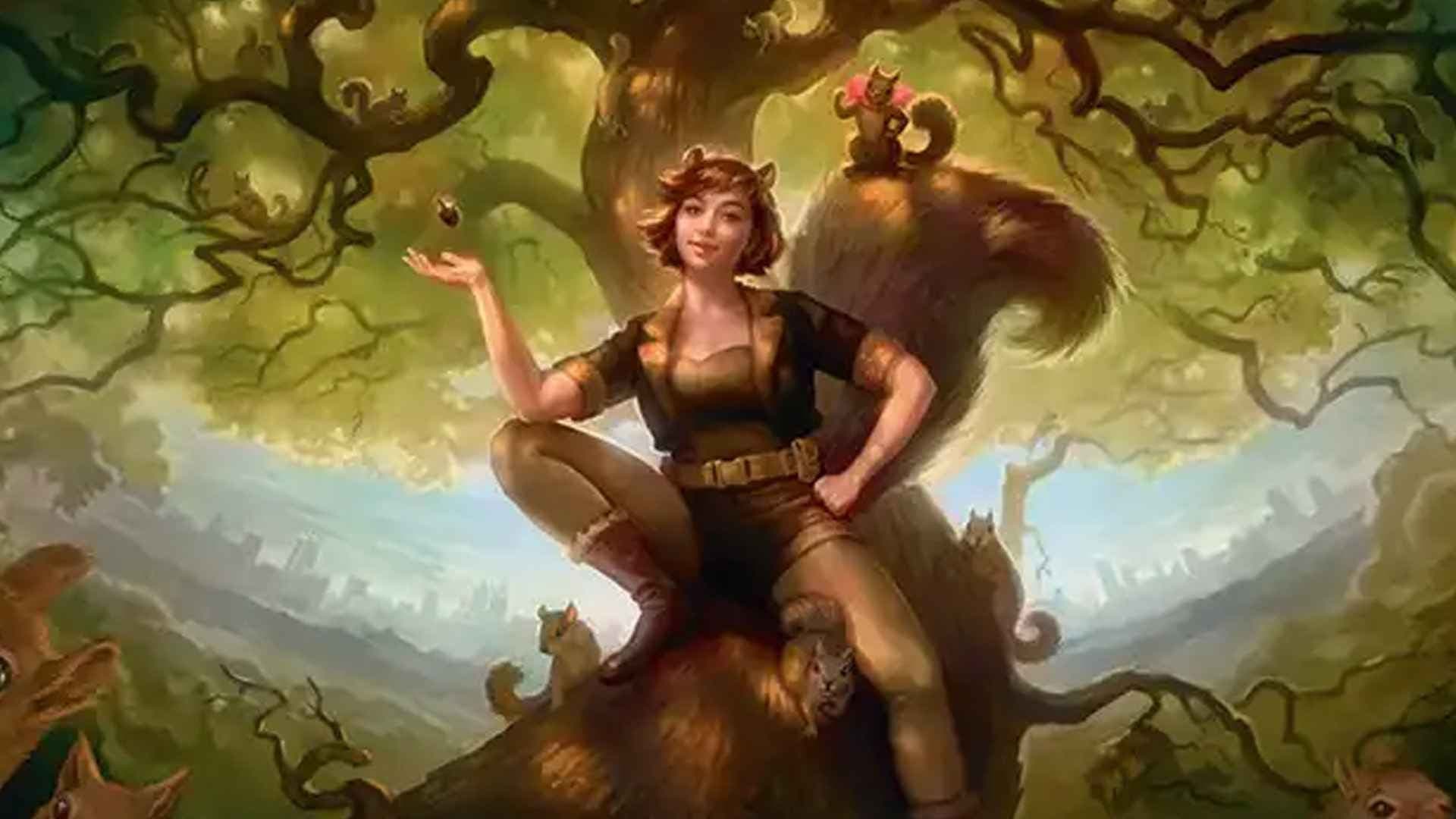
The first look at The Unbeatable Squirrel Girl can feel like a punchline, but the card reads like a serious engine the moment it hits the table. A 2GG 3/4 that makes Squirrels on entry, on attack, and again with a scalable activated ability does not just flirt with novelty, it starts multiplying board presence fast. EDHREC’s early data backs that up, showing thousands of decks and the kind of archetype spread that usually belongs to commanders with real staying power.
A commander that snowballs instead of jokes around
The cleanest reason Squirrel Girl works is simple: every trigger makes more bodies, and every body makes the next activation better. Her rules text gives you a token on entry or attack, then lets you pay 2GG to create a 1/1 green Squirrel creature token for each Squirrel you control, which turns the board into a compounding resource rather than a static board state. That means the deck does not need to reinvent itself to win, it just needs to keep Squirrel Girl alive long enough to turn one token into two, then two into four, then four into something that ends the game.
That basic loop explains why the commander already shows up with a rank around #987 and 2,244 decks on EDHREC. People are not just filing her under flavor, they are building around a card that can clearly support a plan. The 3/4 body matters too, because it is large enough to attack profitably in the early game while still carrying the kind of text box that rewards you for leaning into repetition, protection, and mana efficiency.
What the deck actually wants to do
EDHREC’s tag spread tells the story better than any joke preview ever could. Tokens and Squirrels sit at the center, Combo and +1/+1 Counters show up right behind them, and Aggro still appears as a real, if smaller, lane. That mix says a lot: this is not just a tribal pile and it is not just a meme board, because the commander naturally supports both go-wide combat and compact closing turns.

In practical terms, the core engine wants three kinds of support. First, it wants ways to increase token output so each attack or activation does more work than the last. Second, it wants payoffs that make a wide board matter, whether that is through counters, global buffs, or some other way to turn a mass of 1/1s into lethal damage. Third, it wants access to mana acceleration and protection, because paying 2GG over and over is only powerful if the commander stays on the battlefield long enough to matter.
That is why Squirrel Girl can feel like a legitimate table plan instead of a one-note theme deck. She can swarm, she can scale, and she can pivot into combo if the right pieces line up. The presence of Combo and Aggro in the same data set is the tell, because it means builders are seeing both a fair combat deck and a deck that can threaten to end things suddenly once the token count gets high enough.
The real win lines are about pressure, not punchlines
Squirrel Girl’s best games are the ones where every turn asks the table the same question: can you remove the commander right now, or can you stop the swarm before it gets out of hand? Once the board contains multiple Squirrels, the activated ability becomes dramatically stronger, and every combat step creates more material for the next one. That creates a steady pressure pattern that forces blockers, removal, and sweepers out of opponents’ hands faster than they want.
The key includes, then, are not mysterious. You want cards that make more tokens, cards that reward you for going wide, cards that pile on counters, and cards that help you keep activating the commander through the critical middle turns. You also want at least a few ways to convert a crowded board into a clean finish, because a deck this broad still needs a clear moment where the table recognizes it is too late to catch up.
Why the Marvel crossover gives the deck extra weight
The timing matters because The Unbeatable Squirrel Girl is arriving inside Magic: The Gathering | Marvel Super Heroes, which Wizards of the Coast says releases on June 26, 2026. The Marvel Super Heroes Commander decks are 100-card ready-to-play products, so this is not a fringe curiosity tucked away from the format, it is part of a major Commander rollout built around iconic Marvel characters. Wizards also framed the decklists announcement just ahead of release, which explains why interest around Squirrel Girl is hitting at exactly the moment players are deciding what to build.
The character history helps too. Marvel describes Doreen Green as someone who uses squirrel-like abilities and a positive attitude to beat intimidating foes, which is a very good match for a Commander card that wins by staying cheerful, wide, and annoyingly hard to answer. Marvel’s reading guide points readers to the 2015 Unbeatable Squirrel Girl run by Ryan North and Erica Henderson, and that matters because it underlines how long this character has thrived as a clever, offbeat hero rather than a disposable gag.
How to build it without losing the joke, or the budget
If you are building after the crossover hype, the smartest approach is to start with the cheap cards that keep the engine moving, then layer in the upgrades that sharpen the finish. The budget-friendly side of the deck should prioritize efficient token production, simple board-wide bonuses, and cards that help Squirrel Girl come down early and keep attacking. From there, the upgrades are the pieces that make the deck feel unfair instead of merely cute, especially the effects that multiply tokens or turn a normal swarm into a lethal one.
That is the real proof of concept here. A commander that begins as a meme can still demand disciplined construction, clear win conditions, and a real plan for the table. The joke is still in the room, but once the Squirrels start piling up, the joke is doing real work.
This article was produced by Prism’s automated news system from verified source data, official records, and press releases, then run through automated quality and moderation checks before publishing. The system is built and supervised by the people who set the standards it runs under. Read our full AI policy.
Know something we missed? Have a correction or additional information?
Submit a Tip