The Watcher in the Water turns stun counters into Commander power
The Watcher in the Water turns its own stun counters into fuel, then converts Tentacle draws into cards, tokens, and combo lines.
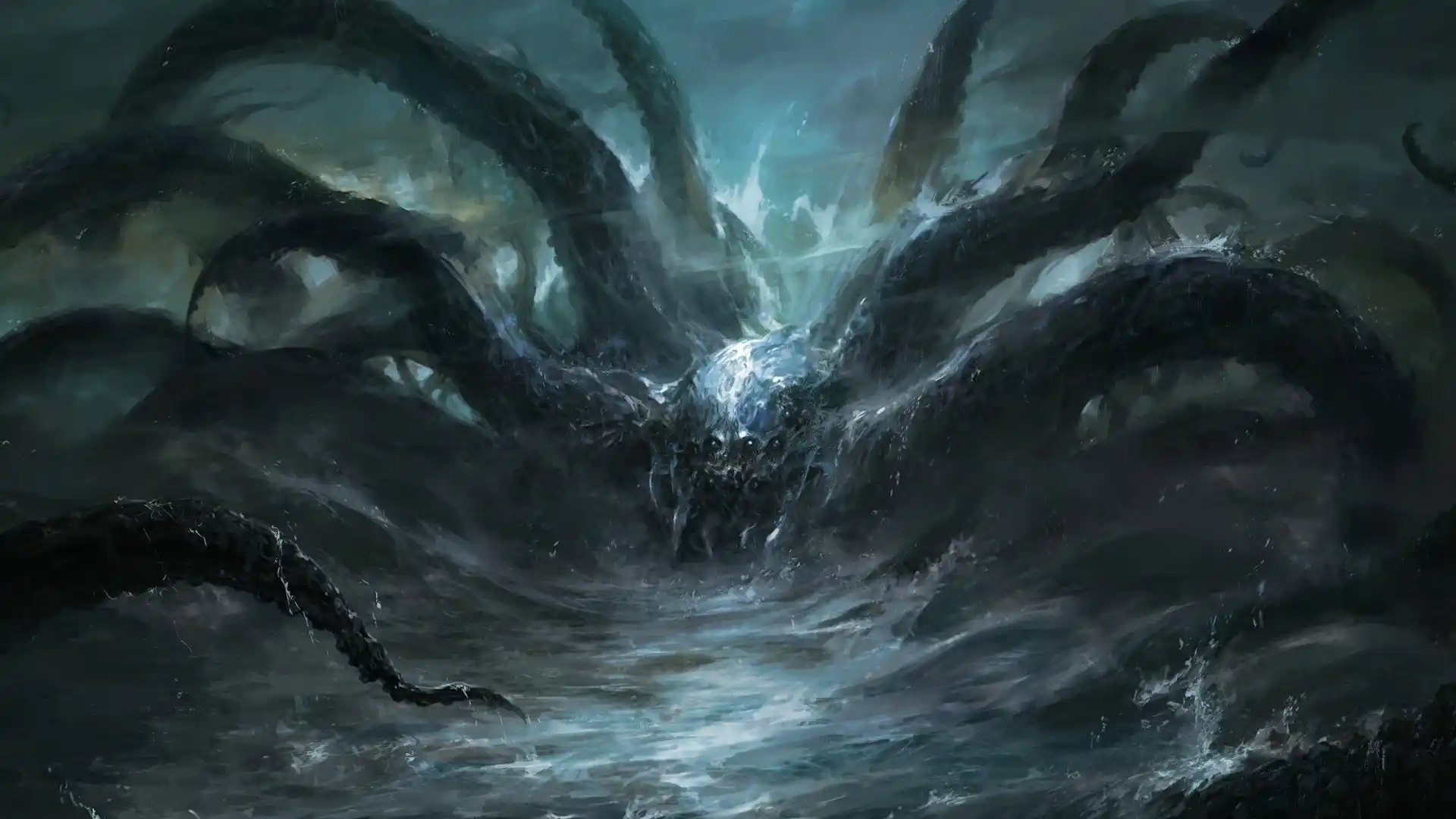
For {3}{U}{U}, The Watcher in the Water is a 9/9 legendary Kraken that enters tapped with nine stun counters, but every card drawn on an opponent’s turn can spawn a 1/1 blue Tentacle, and every Tentacle that dies can untap a Kraken while stacking another stun counter onto a nonland permanent.
Why this Kraken plays like a payoff, not a drawback
Instead of spending five turns building toward one oversized threat that might eat a removal spell, this commander starts with a body that already threatens combat and a rules text box that turns normal play patterns into board presence. The stun counters look like a tax at first, but the deck can treat them as a resource to manage, especially if you keep the token engine running and sacrifice Tentacles on purpose.
Commander is a 100-card multiplayer format built around one legendary creature. The Watcher in the Water is legal in Commander, Legacy, and Vintage.
How to turn stun counters into advantage
The cleanest way to make The Watcher in the Water feel broken is to stop thinking about the nine stun counters as a lock and start treating them as part of the puzzle. The commander wants repeated token production, sacrifice outlets, and cards that can convert counters into something useful. Moxite Refinery is the sharpest example in the available card pool: it can remove X counters from an artifact or creature you control, then move that value into either charge counters on an artifact or +1/+1 counters on a creature.
Moxite Refinery gives you a way to recycle the commander’s built-in burden into real board value. Even without that kind of dedicated counter conversion, the deck can still smooth out the stun-counter problem by creating and sacrificing Tentacles, or by using them as chump blockers when combat gets messy. Every dead Tentacle also untaps a Kraken and places another stun counter on a nonland permanent.
The support package that gets the engine online
The best builds do not try to win by simply attacking with a giant Kraken. They lean into draw triggers, token density, and repeatable value. Instant-speed draw spells like Brainstorm and Brainsurge matter because they can trigger the commander on an opponent’s turn, which is the exact timing window that makes Tentacles appear. From there, the deck wants repeatable draw engines such as Consecrated Sphinx and Mind’s Eye to keep the chain going across multiple turn cycles.
Nadir Kraken and Homunculus Horde both fit the plan because they turn card flow into board presence, and that matters even more when the rest of the deck includes cards that care about tokens entering or dying. Junk Winder and Opposition give the list ways to convert that token volume into combat control, so the Tentacles are not just blockers and sacrifice fodder but also tools for locking down opposing boards.
Ashnod’s Altar is one of the most practical pieces in the shell because it lets you cash in Tentacles for mana at will. Once that mana starts accumulating, Pull from Tomorrow becomes a refill spell that keeps the draws and commander triggers coming.
The combo line that pushes the deck over the top
The Watcher in the Water becomes especially nasty when you pair it with Mister Fantastic, Reed Richards. His Oracle text is, “Whenever one or more tokens you control enter, you may draw a card.” That creates a loop with the Kraken: if you can draw one card during an opponent’s turn, The Watcher makes a Tentacle, that token entering can trigger Reed Richards, and the extra draw can continue the sequence.
Kindred Discovery can perform a similar role by feeding the same draw engine. Once the deck is deep enough into the loop, the library can disappear quickly, and the finish is straightforward: Thassa’s Oracle or Laboratory Maniac can convert an empty deck into a win, depending on whether your draw engine is mandatory or optional.
Who should build it
This is a strong choice if you want a Commander deck that looks splashy on paper but still plays like a real engine. The Watcher in the Water will appeal most to players who like big-mana commanders that do more than attack, especially if you enjoy managing triggers, token flow, and draw steps with precision. It also fits players who want a deck that can win through combat, value accumulation, or a compact combo finish without changing commanders.
EDHREC currently shows The Watcher in the Water in about 3,828 to 3,829 Commander decks, while MTGGoldfish lists 138 decklists for the card. EDHREC’s tag breakdown leans heavily into Wheels, Tokens, and Cantrips. The current price sits around $2 to $2.10.
How it differs from other sea-monster commanders
A lot of sea-monster commanders promise the same thing: huge stats, huge board impact, and a table full of splashy creatures. The Watcher in the Water is different because it begins with a giant body but immediately asks you to build around opponent-turn draw, token creation, and counter management. That makes it less about simply deploying a Kraken and more about turning every draw step into a chain reaction.
The Lord of the Rings: Tales of Middle-earth was Wizards of the Coast’s first full Universes Beyond set release.
This article was produced by Prism’s automated news system from verified source data, official records, and press releases, then run through automated quality and moderation checks before publishing. The system is built and supervised by the people who set the standards it runs under. Read our full AI policy.
Did this article answer your question?