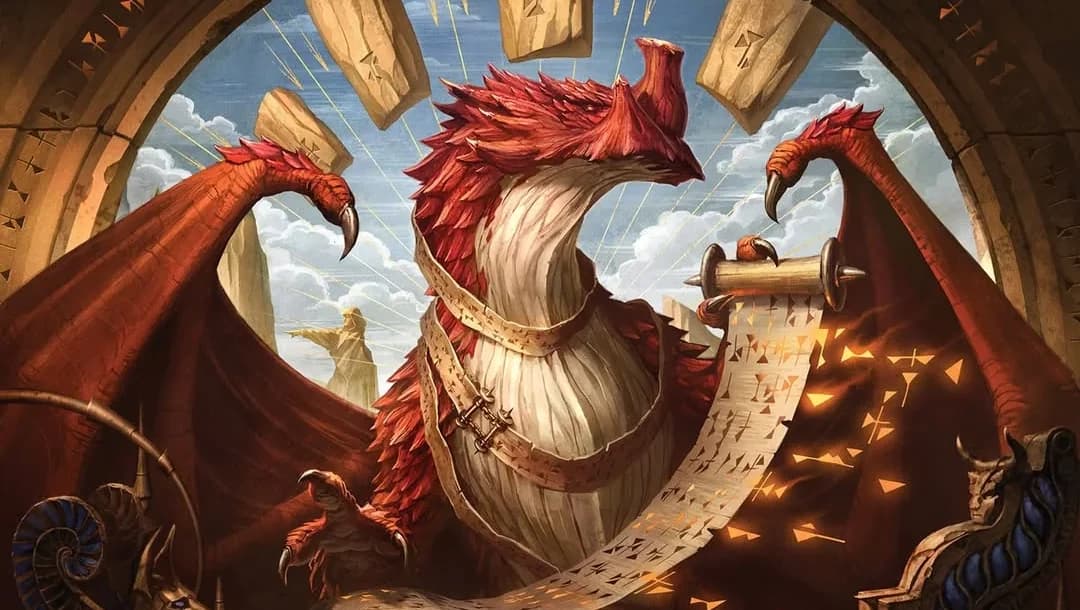
Wasp, Shrinking Savior turns negative power into card advantage in Commander
Wasp turns combat math into card draw by pushing creatures below zero power, and the right shrink suite makes that plan feel brutally real in Commander.

Wasp, Shrinking Savior makes you read the card twice and then start counting power on your opponent’s board. In mono-blue, it asks for a line of play blue decks rarely get to claim: shrink creatures past zero, turn that bizarre state into cards, and keep the table’s combat step under constant pressure.
A commander built around negative power
Wasp does not just care about low power. Magic has had plenty of ways to reward small creatures, but very few cards care about power dropping below zero at all, and almost none actively pay you for getting there. That gives Wasp an odd design space, one that feels less like a slight twist on an existing archetype and more like a new axis for deckbuilding.
The deck wants an engine that repeatedly drags opposing creatures into awkward ranges, then uses attack triggers and board-wide shrink effects to keep the cards flowing. Once the engine starts, every combat step can become both a defensive reset and a draw step of its own.
How the shrink package does the heavy lifting
The cleanest support cards are the ones that buy time while also setting up Wasp’s trigger pattern. Cryoshatter, Fresh Start, Bewildering Blizzard, Hysterical Blindness, and Downsize all fit that plan because they can slow attackers, shrink relevant bodies, and still line up with the commander’s need to see power pushed into dangerous territory. These spells are not just reactive fog effects in disguise; they are the raw material of the deck’s card-draw engine.
Timing is a big part of the skill here. Wasp attacks, so temporary shrink spells are often at their best on other players’ turns, where they can blank combat math defensively and then leave the table vulnerable when your turn comes back around. That makes the deck feel less like a standard tap-out control shell and more like an instant-speed puzzle, where the same card can be protection, setup, and payoff depending on when you cast it.
The permanent modifiers are what make the strategy stick. Dampening Pulse and Cumber Stone are the most reliable baseline tools, while Gravitational Shift, Amulet of Safekeeping, and Meishin, the Mind Cage push the table even farther toward negative power territory. The catch is simple: one effect usually is not enough, so the strongest builds stack multiple shrink pieces before they expect the commander to really start cashing in.
Why this plays unlike typical mono-blue control
Wasp’s control plan is combat-focused in a way blue decks often are not. Instead of just countering threats and drawing ahead, the deck tries to reduce the whole table’s ability to attack profitably, which means ordinary creatures become clumsy and awkward long before they are removed. That creates a very specific board state: your opponents are still playing Magic, but their combat step is constantly taxed by bad blocks, bad attacks, and bad math.
That is also why the commander feels so different from more familiar low-power draw engines. Plagon, Lord of the Beach is the clearest comparison because both legends turn small power into cards, but Wasp is more interactive and more dependent on what everyone else has on the battlefield. In a pod full of creature decks, that difference is huge, because your value comes from reading the whole table rather than just assembling your own private engine.
The comparison to Plagon also helps define the build decision. If you want a commander that snowballs from your own board state alone, Wasp is the wrong kind of weird. If you want a deck that rewards careful sequencing, instant-speed play, and table-wide combat suppression, Wasp gives you a real lane that is still unusual enough to feel fresh.
Support cards that push the deck from gimmick to game plan
The best Wasp lists do not lean on one-off tricks. They use a layered package of shrink effects, with cards like Cumber Stone and Dampening Pulse doing steady work while spells like Hysterical Blindness and Downsize let you punish attackers at the perfect moment. That mix is what turns the commander from a novelty into an actual resource engine, because each small reduction helps unlock the next draw.
Meishin, the Mind Cage deserves special attention because it warps the board around a deck built to keep drawing cards. It is expensive, but in the right shell it turns the battlefield into a place where even large creatures can stop feeling safe. Gravitational Shift and Amulet of Safekeeping are less dramatic, but they keep contributing to the same plan by narrowing the options your opponents have every turn cycle.
If you stack enough of them, Wasp becomes a commander that converts an odd rules space into steady card advantage and a board state your opponents cannot attack through cleanly.
Build it if you want a strange commander that still has teeth
Wasp is a strong build if you want a mono-blue deck that wins by making combat miserable and drawing cards off the misery. It is not the kind of commander that quietly tucks away value and waits for a combo finish. The deck’s leverage comes from forcing the table to live in negative power math, then turning every awkward attack step into progress for you.
This article was produced by Prism’s automated news system from verified source data, official records, and press releases, then run through automated quality and moderation checks before publishing. The system is built and supervised by the people who set the standards it runs under. Read our full AI policy.
Did this article answer your question?