Wizards’ Hobbit guide points Commander players to local events
The Hobbit’s local-play guide points Commander players to prereleases, store pods, and Commander Party nights, with real upside in product access and deck ideas.
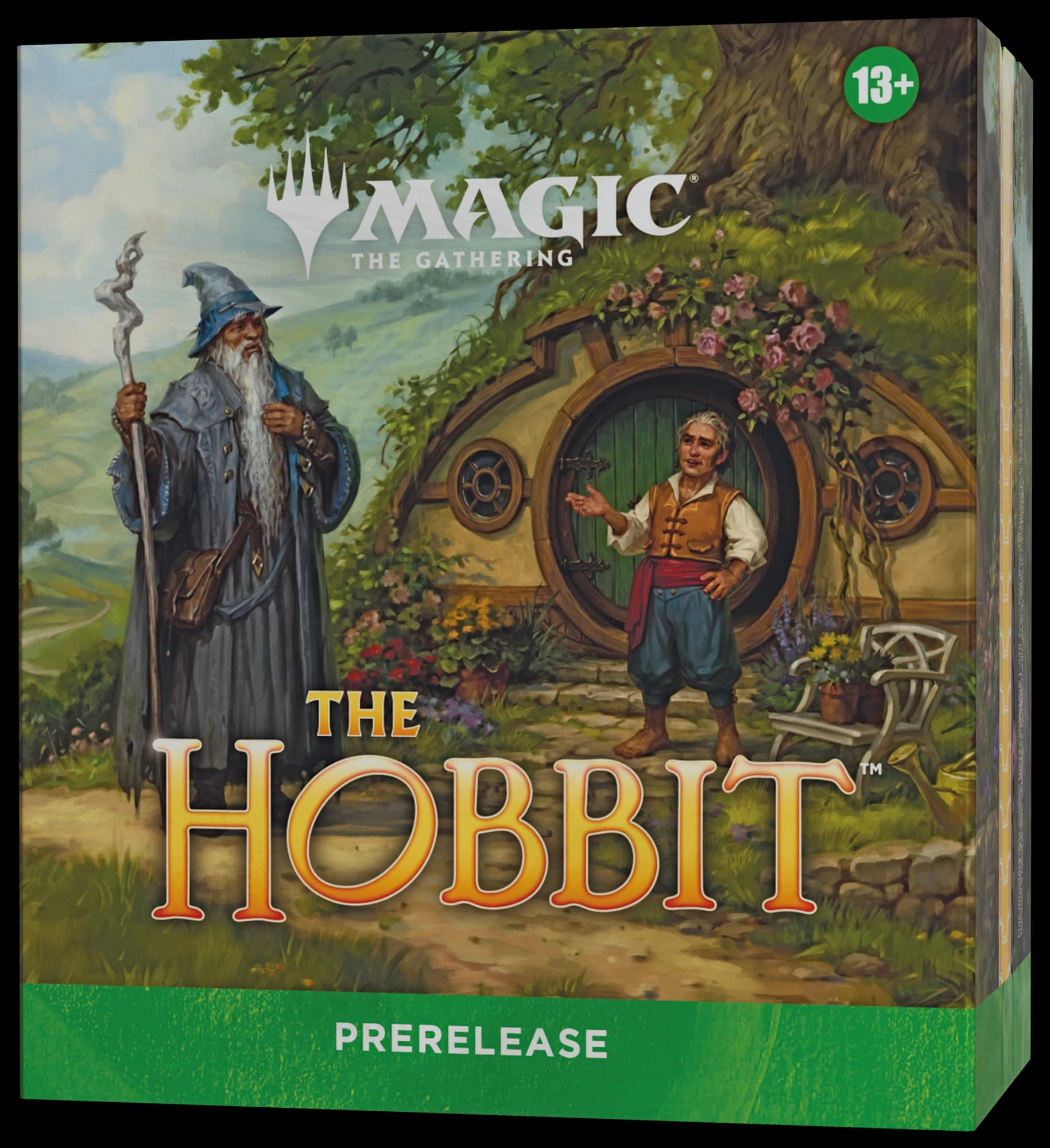
The Wizards Play Network page for “Magic: The Gathering® | The Hobbit™,” dated May 1, 2026, points players to local game stores, prerelease weekends, and Commander nights. It lists “key dates, event details, and new in-store experiences to engage your players” for Commander players deciding what to buy, who to play with, and whether the new set belongs in their 99.
Start with the store, not the spoiler
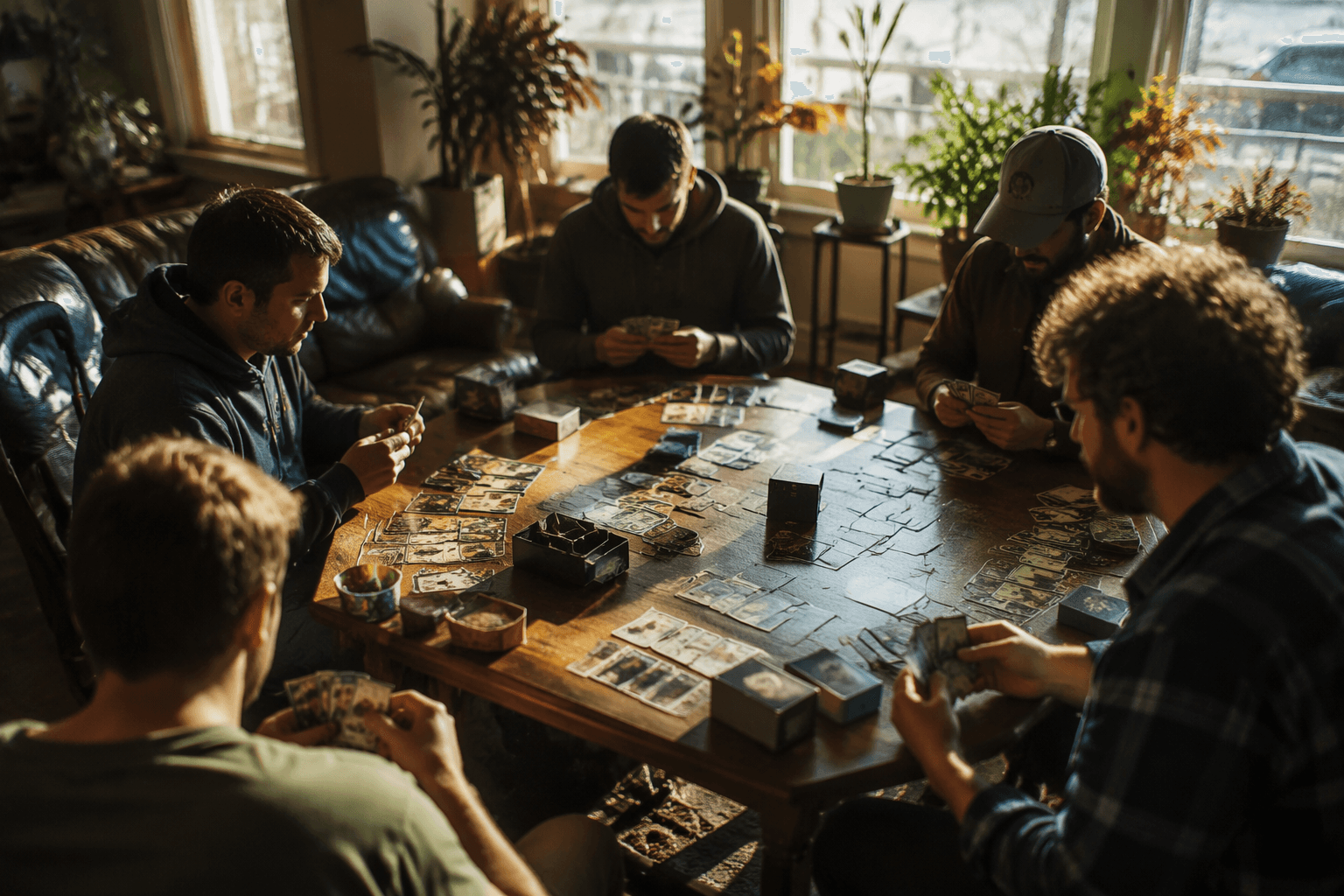
If you want the fastest route into The Hobbit for Commander, the official event locator is the first stop. Wizards uses it to surface nearby local game stores and the kinds of in-person events that matter most to EDH players, including Commander Free Play, Casual Commander, Commander Night, cEDH Night, and MTG Tribal Commander League. Commander usually starts moving the moment packs hit tables, not after the release hype cycle cools off.
A store that is actively listing Commander nights is also the kind of store likely to have sealed product, regular pod traffic, and people ready to talk about whether a new legendary creature is a build-around or just binder material. For a crossover set like The Hobbit, that means finding out in person whether anyone is actually sleeving it up.
Why prerelease is the real on-ramp
Prerelease events are held at local game stores ahead of a set’s full release. For Commander, that window matters because it is the first time many players get their hands on the cards, crack packs in public, and start talking through what the set’s legends can do in singleton. If you are trying to gauge whether The Hobbit supports a fresh brew, prerelease is where that conversation starts in earnest.
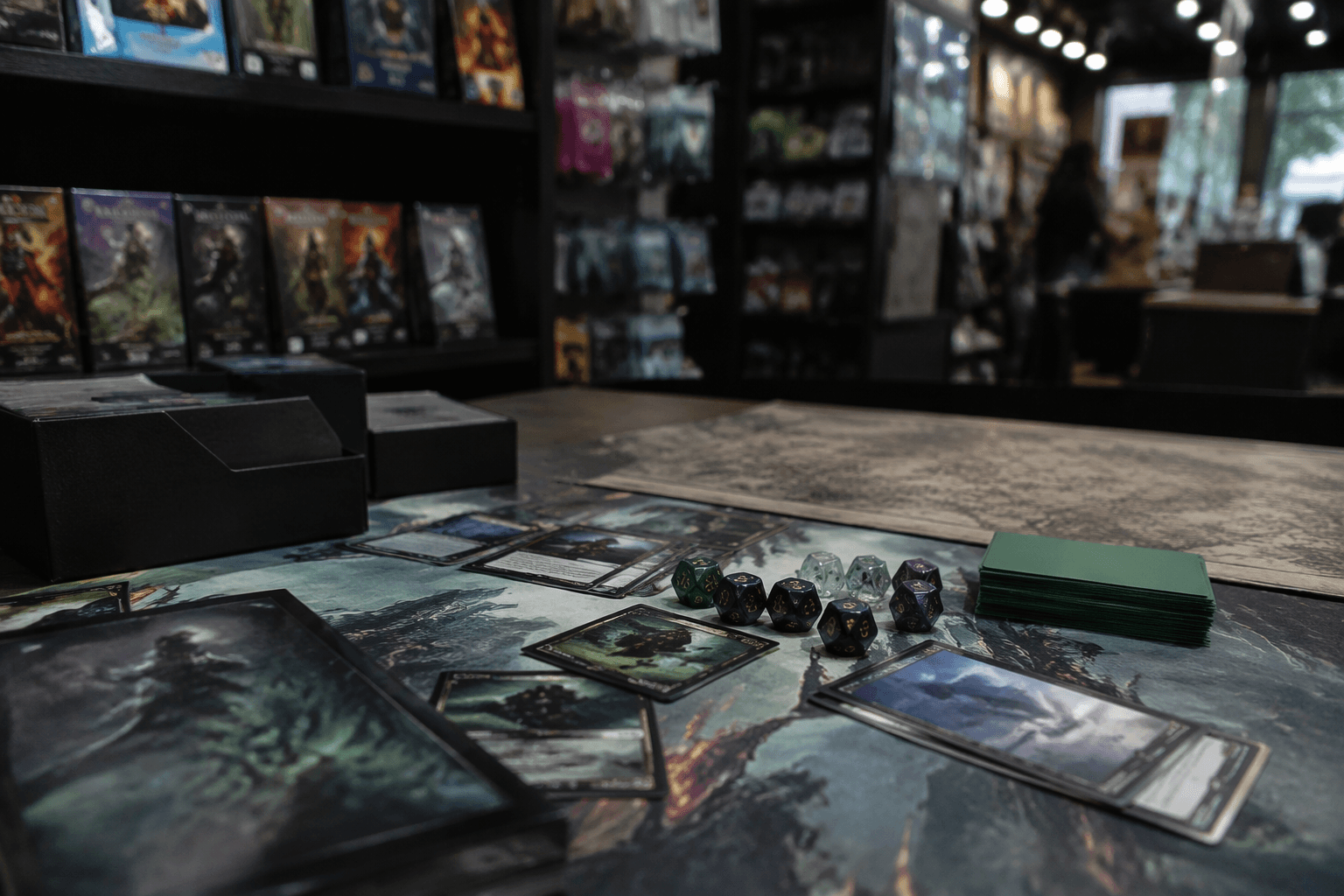
It is also the easiest place to judge product availability in real time. A store that is hosting prerelease has both the audience and the inventory pressure to tell you whether you should buy in immediately, hunt singles later, or wait and see how the set settles. Commander players need that information, especially when the set’s appeal is tied to legendary characters and flavorful build-arounds.
- Look for stores advertising prerelease alongside Commander nights.
- Check whether the shop lists sealed product or launch inventory.
- Use the first in-person event to see which legends and themes are drawing the most table talk.
Commander payoff: mostly in people, product, and conversation
The real EDH payoff to showing up is access to the community that forms around a new release. New Magic sets tend to generate the biggest Commander buzz in the first week because that is when players are opening legendary creatures, spotting modular build-around pieces, and deciding whether the set supports a new deck concept or just a few upgrades.
The Hobbit is especially well suited to that kind of reaction. As a licensed crossover with strong fantasy flavor, it leans hard into setting, character, and adventure themes, which is exactly the material Commander players use to build narrative decks, tribal shells, and legendary-creature strategies.
Commander Party makes the in-store lane even clearer
Commander Party is part of the organized-play ecosystem, and recent WPN pages frame it as in-store Commander events at casual Rules Enforcement Level, with player list only pairing. The Commander Party: Edge of Eternities schedule ran August 15 through 21 and again September 5 through 11, which is a useful template for how Wizards stages these nights around a set release.
That structure sets expectations for Commander support woven into a release cycle. It is low-pressure, social, and designed around multiplayer rather than elimination.
The Hobbit follows a familiar Wizards playbook
This is not a one-off move. Wizards has used similar local-play and collecting guidance for other crossover releases, including Commander Legends: Battle for Baldur’s Gate and The Lord of the Rings: Tales of Middle-earth. The pattern is consistent: build excitement around the set, then push players toward the stores where the cards actually enter circulation.
Commander lives at the intersection of collecting and community. The real format economy runs through local game stores, casual pods, and events where players trade, test, and tune lists on the same night they open new cards. The Hobbit’s Where to Play guide points directly at that ecosystem.
This article was produced by Prism’s automated news system from verified source data, official records, and press releases, then run through automated quality and moderation checks before publishing. The system is built and supervised by the people who set the standards it runs under. Read our full AI policy.
Did this article answer your question?