Hydromags builds a magnet fishing hub for finds, safety and GPS spots
Hydromags is trying to turn magnet fishing into a better-documented hobby, with GPS spot-sharing, safety guidance and FragmentAI for identifying finds.
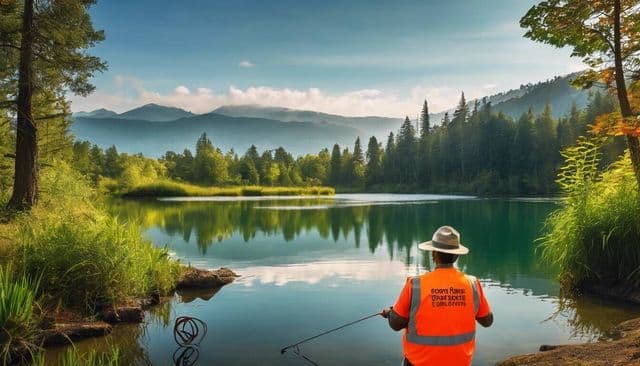
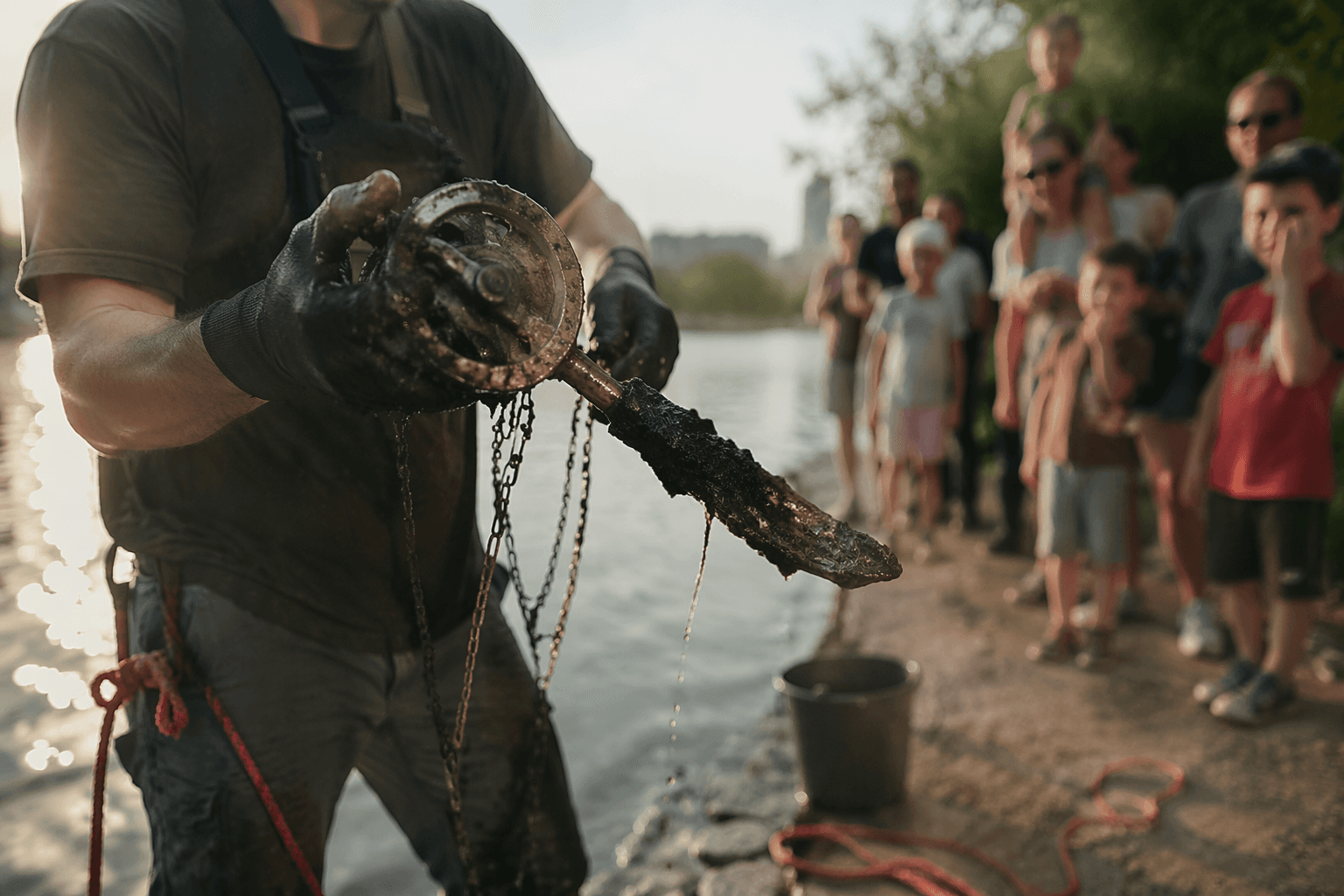
Hydromags is pitching magnet fishing as more than a feed full of shiny pulls and muddy surprises. The site is building a place where you can log what you find, learn how to fish smarter, check safety basics and pin down promising water with GPS spots, all in one hub. That mix suggests a hobby that is starting to act less like scattered posts and more like a community with structure.
A hub built for the whole outing
The clearest sign of that shift is how Hydromags organizes itself. Its navigation is split into News, Community, Safety, Gallery, Tools, Explore and Premium, which gives the platform a much broader job than simple bragging rights over a haul. It is trying to cover the whole arc of a trip, from choosing a place to swing a magnet, to learning technique, to documenting what came up out of the water.
The homepage frames that mission in direct language, inviting users to “join the world’s most passionate magnet fishing community,” where they can share finds, learn techniques, connect with fellow treasure hunters and explore waterways. That matters because magnet fishing has long lived in fragments, spread across social posts, video clips and one-off comments. Hydromags is trying to pull those pieces into a single place where the knowledge can stick.
The site also emphasizes the cleanup side of the hobby. Its homepage highlights a running total of metal pulled and carbon dioxide equivalent saved, which gives the platform a conservation angle instead of treating every recovery as a trophy shot. For a hobby that often gets described through old tools, lost valuables and riverbank treasure hunts, that kind of accounting makes the environmental benefit visible.
FragmentAI points to a more organized future
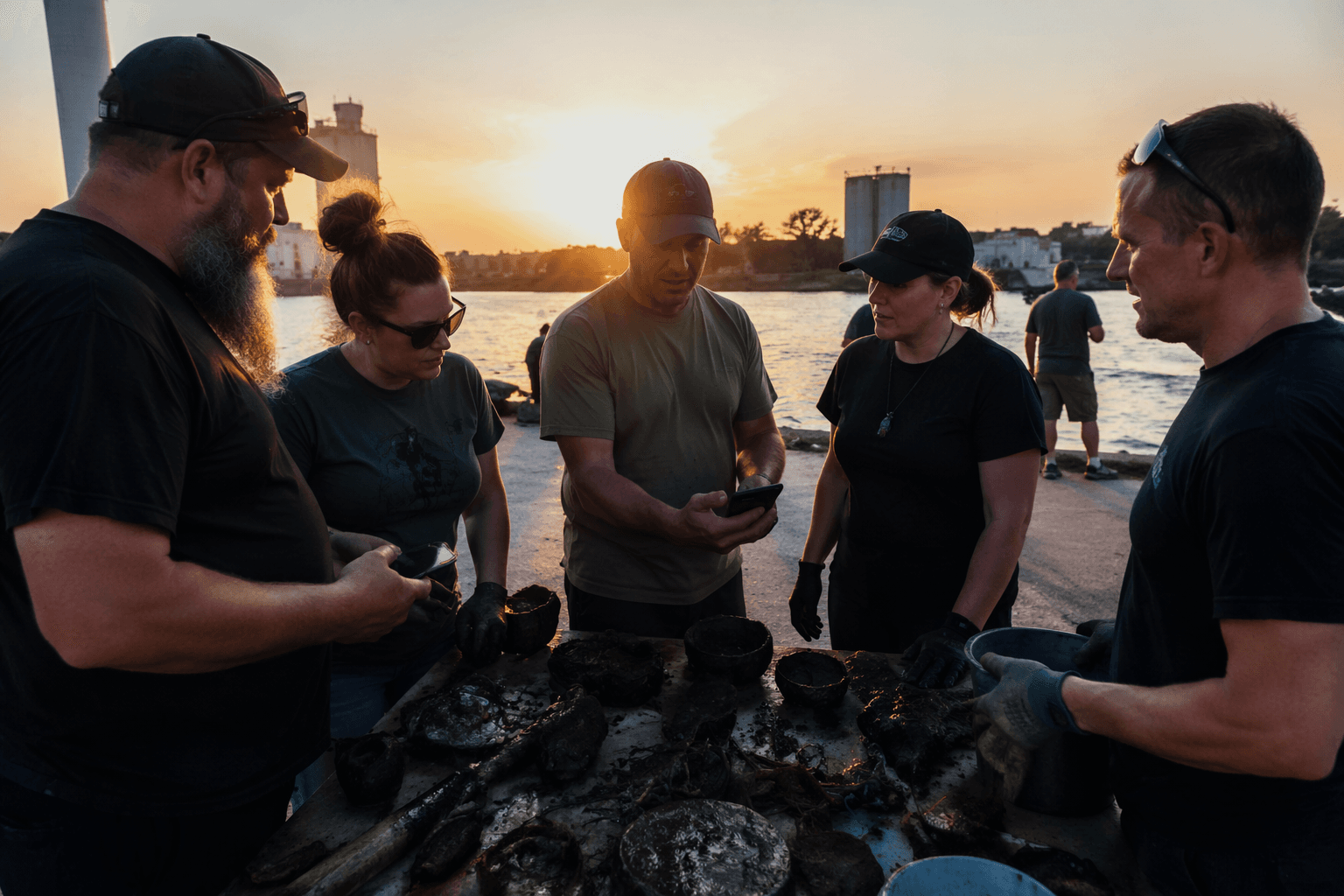
The standout feature is FragmentAI, which lets users upload images of their finds for identification, rarity scoring and historical context. That moves the hobby away from guesswork and toward cataloging, which is a meaningful change for anyone who has ever pulled up a corroded object and had no idea whether it was scrap, an old tool or something with a real backstory.
That matters because magnet fishing is at its best when the find is more than a lump of metal. A tool like FragmentAI turns a muddy recovery into a recordable object, one that can be compared, labeled and revisited later. In practice, that means better logs, better conversations and a stronger archive of what is coming out of local waterways.
Hydromags also advertises spot-sharing with GPS coordinates, suggestions for promising locations and a gear guide that covers essentials from magnets to gloves. Those are practical additions, not flashy ones, and they show the platform is trying to help with the basics that often make or break a session. If magnet fishing is moving toward better documentation, those tools are part of the backbone.
Safety and local rules are now part of the hobby
That push toward structure arrives at the right time, because magnet fishing’s popularity has created more friction around safety and environmental impact. Indiana’s Department of Natural Resources says interest in the hobby has increased significantly in the last two years, alongside rising environmental and safety concerns. It also notes that commonly recovered items include wheel rims, bicycles and keys, which is a reminder that waterways hold both useful scrap and everyday debris.
The DNR also warns that large magnets can stir up sediment and reduce water quality. That detail is especially important for anyone using stronger gear with a mechanical reel, because the hobby can affect the water itself, not just what comes out of it. A more mature magnet fishing culture has to know that a pull is not always harmless, even when the shoreline looks quiet.
Legal boundaries are just as uneven. A 2026 guide says magnet fishing is legal in 49 of 50 U.S. states, with South Carolina as the only statewide ban and Wisconsin requiring permits for most waterways. Separate legal guides also say the rules can change by state, park, county and municipal authority, which means a green light in one stretch of water does not automatically carry to the next one.
That patchwork is exactly why a safety-and-rules section matters on a site like Hydromags. The hobby may feel informal, but the legal and environmental stakes are not. If people are going to explore more waterways and share more GPS spots, they also need clearer habits around permission, access and local restrictions.
The finds can be dangerous, not just interesting
The cautionary side of magnet fishing is impossible to ignore. One reported 2025 incident involved a magnet fisherman pulling an unexploded World War II grenade from the River Stour in Devon, England, which triggered a bomb-squad response from Devon and Cornwall Police and support from the Environment Agency. Another grenade discovery in the Union Canal in Scotland was later detonated safely by authorities. Those are the kinds of recoveries that remind everyone the water can hide far more than scrap.
The risk is not limited to old ordnance. The U.S. Consumer Product Safety Commission now specifically regulates hazardous magnets in consumer products because swallowed magnets can attract each other or metal objects and become lodged in the digestive system. That does not change the appeal of strong gear, but it does underline why gloves, control and careful handling are not optional add-ons.
A hobby that pulls from bridges, canals and riverbanks needs a safety culture that is stronger than the average social post. Hydromags appears to be leaning into that reality by giving safety its own place in the site structure instead of burying it in a caption or leaving it to chance.
From early hobby to shared record
Magnet fishing has been around long enough to have a rough origin story. A commonly cited history says it took off in Europe in the early 2000s, growing from a practical way to recover dropped metal objects into a broader hobby with its own online following. That path explains why the culture can still feel fragmented, even as it grows more visible.
Hydromags is trying to close that gap. By combining find logs, identification tools, GPS spots, technique advice, environmental tracking and safety guidance, it is acting less like a fan page and more like infrastructure for the hobby. For magnet fishers who want the next pull to lead to something more than a quick post, that is the real shift taking shape here.
This article was produced by Prism’s automated news system from verified source data, official records, and press releases, then run through automated quality and moderation checks before publishing. The system is built and supervised by the people who set the standards it runs under. Read our full AI policy.
Know something we missed? Have a correction or additional information?
Submit a Tip