April 2026 Hall Effect Switch Tier List Ranks Feel, Stability, Sound
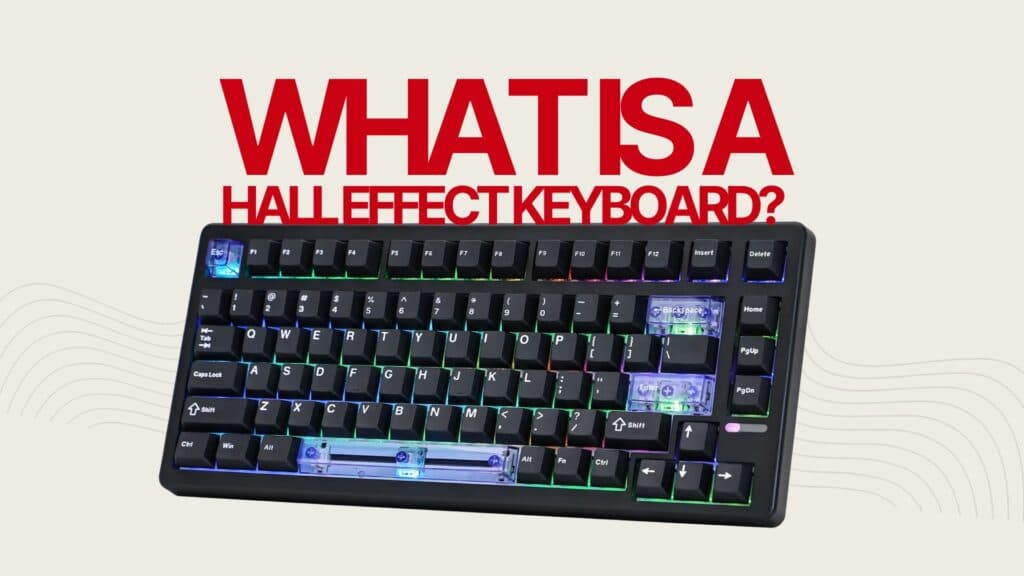
Hall effect has hit the mainstream, but the real split is now sound, stability, and software. XVX Whisper leads the acoustic chase, while Wooting still sets the rapid-trigger baseline.
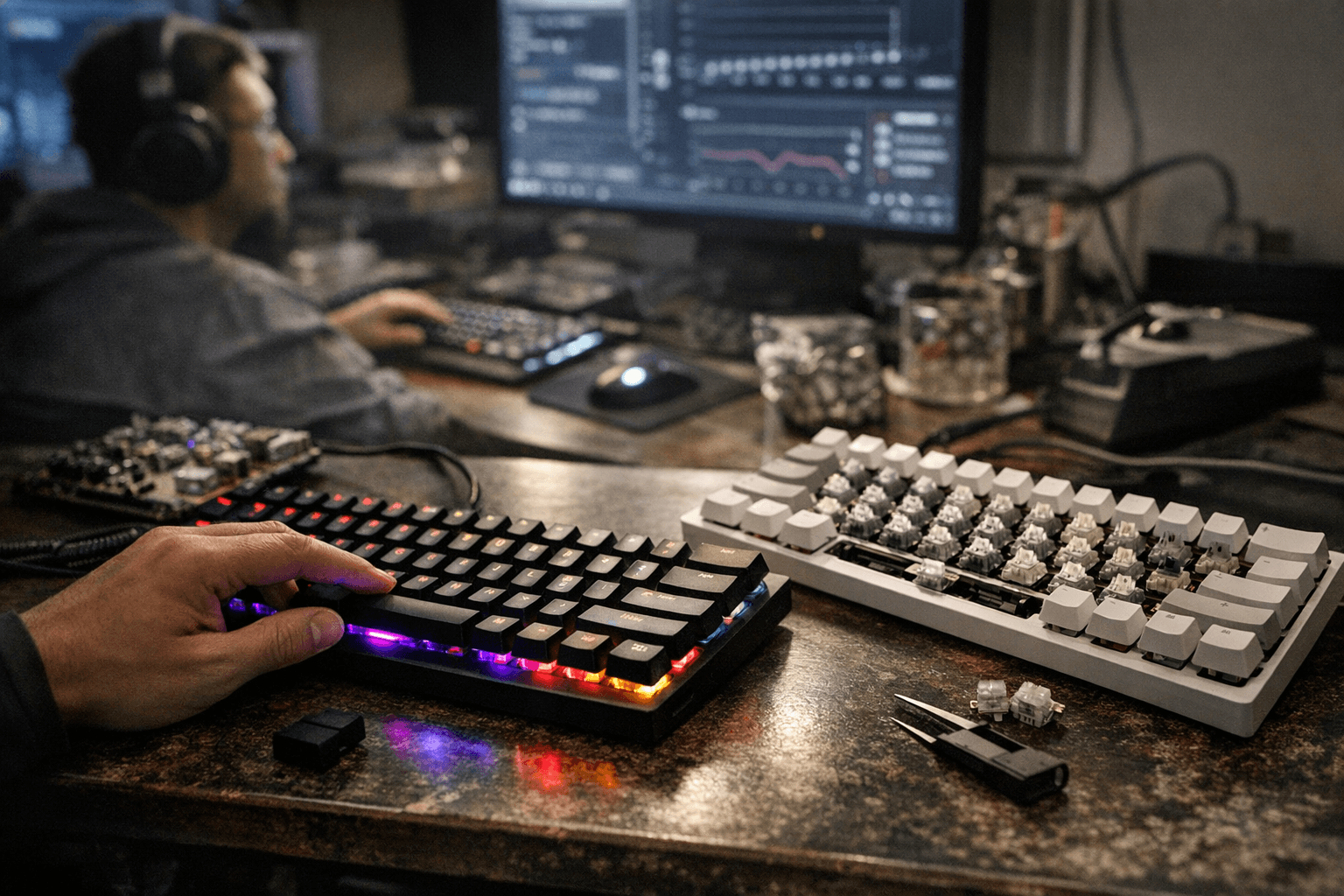
Hall effect has moved past novelty, and the buying mistake now is treating every magnetic switch like the same product. The field is crowded enough to rank, but the ranking only makes sense if you separate sound, feel, and implementation.
1. XVX Whisper, the sound-first tier
XVX positions Whisper as the first Hall Effect and Electro Capacitive dual-sensing switch, and that is exactly why it stands out. The switch combines a rubber dome and spring, is meant to deliver a slightly tactile but smooth press, and product listings put it at 45±5 gf initial force with 3.5±0.2 mm total travel. Retail pages and video demos also frame it as a silent magnetic switch with a whisper-like sound, which makes it the cleanest pick if the goal is a quieter board that still feels deliberate under the finger.
2. Wooting, the rapid-trigger benchmark tier
Wooting says it introduced Rapid Trigger in 2019 on the Wooting Two Lekker Edition, then brought the feature into the wider conversation with the Wooting 60HE in 2022. That history matters because rapid trigger is still the feature most people mean when they say Hall effect for gaming, and Wooting remains the reference point every other magnetic board is measured against. If you want the safest blind buy in the category, this is the tier that has already proven the language, the behavior, and the appeal.
3. Akko, Everglide, and Gateron, the value tier
A 2026 magnetic-switch database now tracks switch lines from Akko, Everglide, and Gateron, which tells you how far this segment has expanded. There are now more than 50 Hall effect keyboards available in the United States, so the value conversation is no longer about finding any magnetic option at all, it is about which board gives you the best mix of layout, software, latency, and feel for the money.
4. Geonworks and Wuque Studio, the enthusiast stability tier
The same database also includes Geonworks and Wuque Studio, and that is where the category starts to reward builders who care about implementation as much as the switch itself. Recent Hall effect guides keep hammering the same point: software quality, latency, layout, and switch feel still vary significantly from brand to brand, so the better buy here is the one with the most solid overall platform, not just the flashiest magnetic branding.
5. The real cut line, not every Hall switch is a blind buy
Lubing is still a problem on some switches, which is a reminder that Hall effect is not a single texture profile, even when the marketing sounds similar. The biggest tier break is no longer Hall effect versus traditional mechanical, it is whether the board’s software and feel line up with your use case, because a loud spec sheet does not guarantee stable performance, good acoustics, or a layout you will enjoy living with.
6. The category’s new standard, not its final form
The most interesting thing about April 2026 is how ordinary Hall effect has become without becoming uniform. Wooting still defines the rapid-trigger playbook, XVX Whisper is pushing a rare sound-and-feel angle with its HE and EC dual sensing, and the rest of the market is now competing on the details that actually matter in daily use. That is what a mature tier list looks like: fewer gimmicks, sharper tradeoffs, and a lot less patience for marketing that cannot survive a real typing test.
This article was produced by Prism’s automated news system from verified source data, official records, and press releases, then run through automated quality and moderation checks before publishing. The system is built and supervised by the people who set the standards it runs under. Read our full AI policy.
Know something we missed? Have a correction or additional information?
Submit a Tip