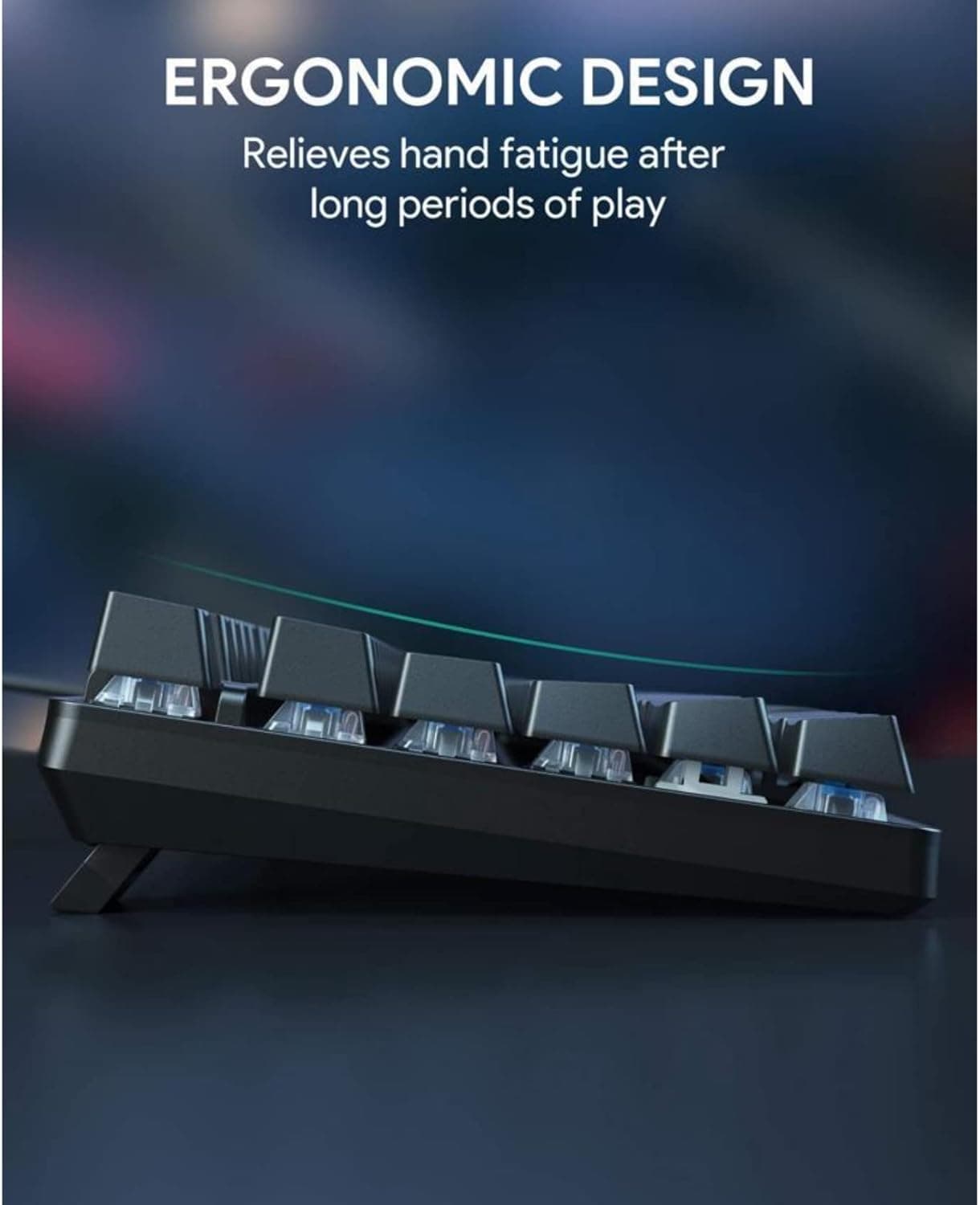
Cerakey Teases Peak60 HE, a Full Ceramic Magnetic Switch Keyboard
Cerakey’s Peak60 HE folds hall-effect tuning into a full ceramic shell, turning a $299 board into a test of whether material can be the headline.
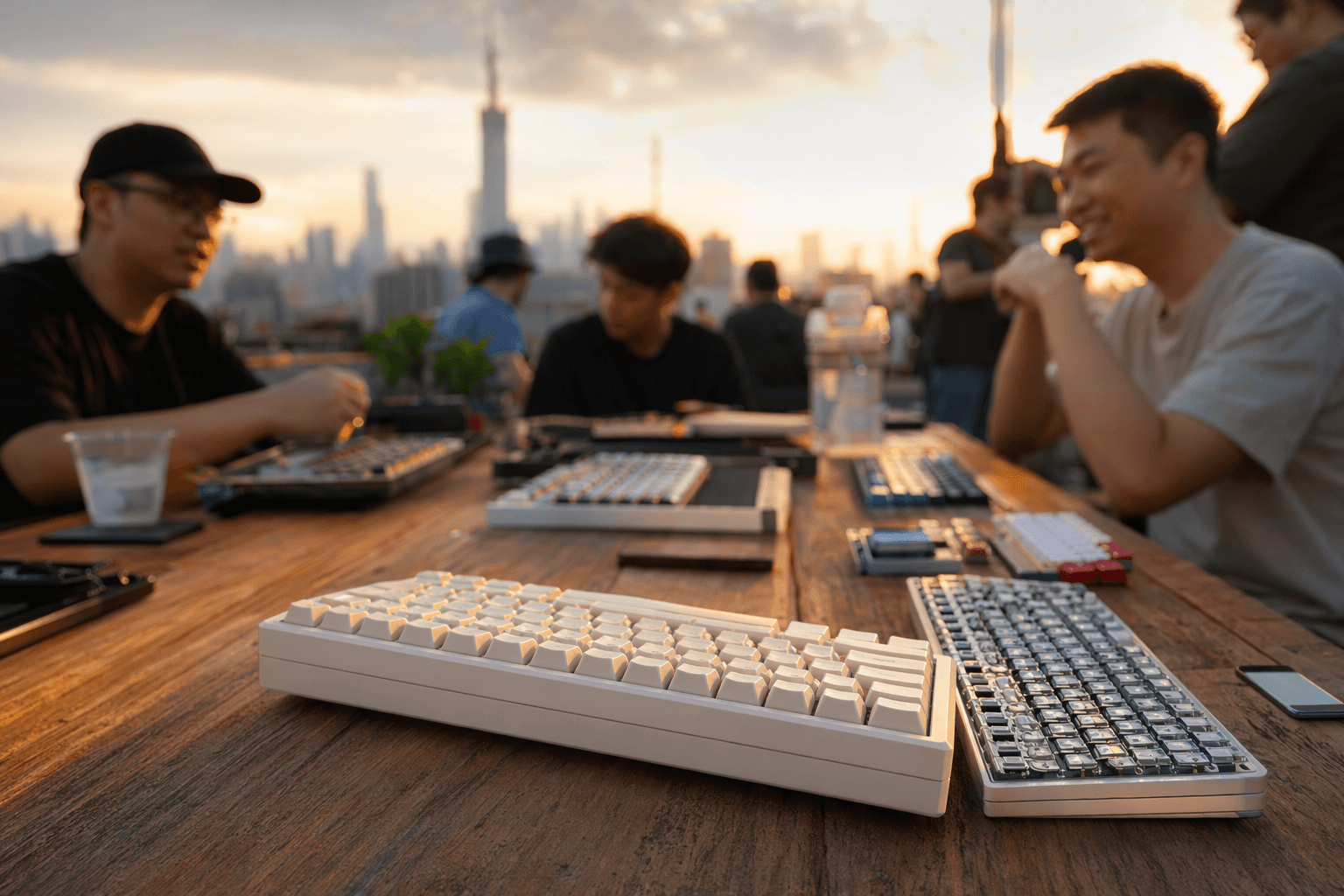
Cerakey is trying to fuse two of the hobby’s loudest obsessions at once, hall-effect input and exotic materials, and the Peak60 HE asks a simple question: is this a real next-step product category, or just a teaser built to grab attention?
The board is being framed as the Peak60 HE Full Ceramic Magnetic Switch Keyboard, and Cerakey is also floating a standalone case option, which matters as much as the keyboard itself. The live product page lists a regular price of $299, a discounted price of $279, and a sold-out status, while also saying shipping is within 48 hours. On the spec sheet, Cerakey is leaning hard into the hall-effect arms race with 8000Hz polling, 0.125ms ultra-low latency, 0.01mm rapid trigger accuracy, 0 dead zone, and 0 missed inputs. Cerakey’s own copy calls it the “ultimate full ceramic 60HE keyboard” and says it combines magnetic switch precision with a “signature thocky sound.”
That ceramic shell is the hook. In a market full of aluminum-heavy magnetic boards, a full ceramic case could change the story in four ways at once: sound, weight, durability, and price. Ceramic should push the acoustic profile toward a denser, more resonant note than the usual hollow plastic or metallic ping; it will almost certainly add heft; it promises a different kind of surface durability and visual finish; and it helps explain why the board sits at premium pricing before buyers even touch the switches. The standalone case option is the smart part for the hobby, because it gives builders another path into the product family and makes the object itself feel collectible, not just functional.
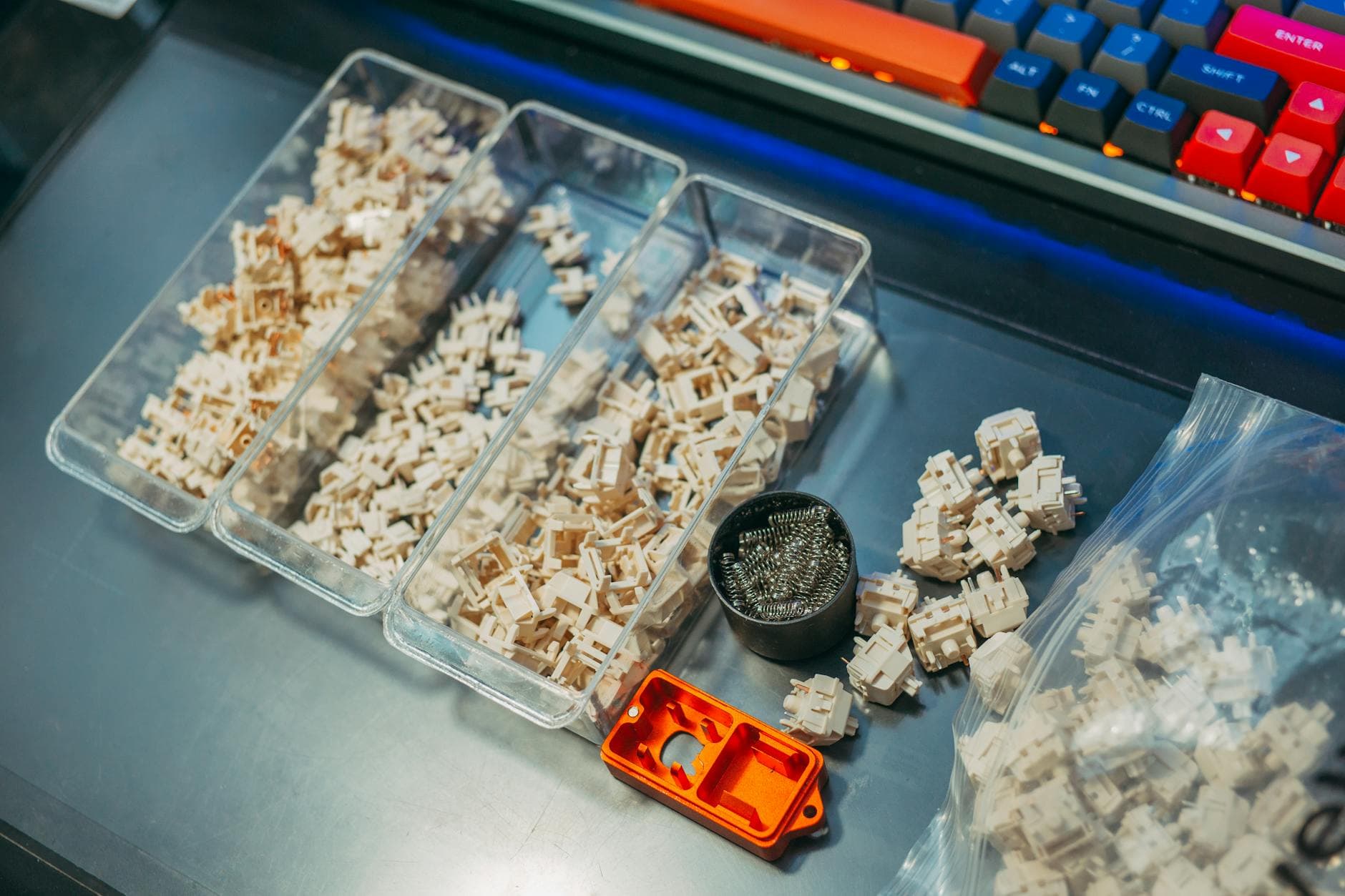
Cerakey’s background makes the move less random than it first looks. The company says it was founded in China in 2020, then launched the world’s first full ceramic keycap set in 2022, a project it says became Kickstarter’s most-funded keycap project ever. Cerakey also says its early ceramic work wrestled with high shrinkage at 1300°C and a high defect rate before the process improved, which is exactly why a full ceramic keyboard feels like a manufacturing statement, not just a styling exercise.
The “world’s first full ceramic magnetic keyboard” line still needs careful reading, because other boards, including the Keychron Q16 HE 8K, have already mixed ceramic elements with magnetic-switch technology. Even so, Cerakey is clearly pushing magnetic keyboards toward a more art-object identity. If Peak60 HE delivers what the teaser promises, it could be the point where the hall-effect market starts competing on material story as fiercely as it does on actuation graphs.
This article was produced by Prism’s automated news system from verified source data, official records, and press releases, then run through automated quality and moderation checks before publishing. The system is built and supervised by the people who set the standards it runs under. Read our full AI policy.
Did this article answer your question?