Compact mystery board sparks debate over what makes 40%
A compact, unconventional board posted Jan 16 sparked debate about what counts as a 40% keyboard, with implications for kit design, firmware, and group buys.
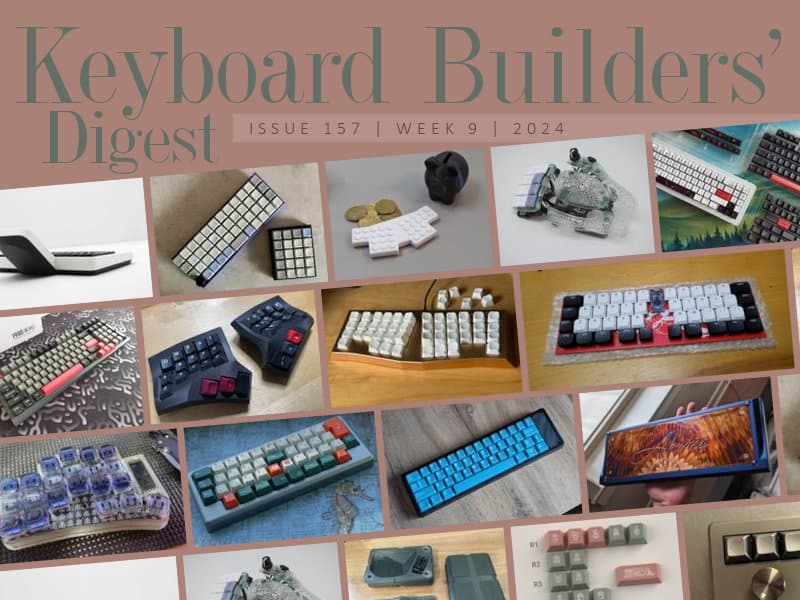
A single build posted to the community on Jan 16 provoked a lively, multi-day debate about where the line is drawn for "40%ers." Between Jan 16 and 18, members hashed out whether percent labels should hinge on case footprint, physical key count, row and column geometry, or the presence of the standard main cluster that most compact layouts assume.
At the heart of the argument was a practical metric that many people already use: more than four rows or more than 12 columns tends to push a board out of the 40% category in common community usage. Others pushed back, arguing that percent naming is inherently approximate and that usefulness and compatibility with an individual's workflow, how many dedicated keys, the layout of thumb clusters, and available modifiers, matter more than a strict percentage label.
The discussion quickly moved from semantics to real-world consequences. Several commenters pointed to confusion that can arise in group buys and kit listings when a name implies compatibility that the plate, PCB, or firmware doesn't actually provide. Firmware configurability, keymap support, and plate/PCB compatibility came up repeatedly as reasons to adopt clearer, more precise listing practices rather than relying on a single percent shorthand.
Alongside technical points, the thread celebrated the build's aesthetic and customization. Many replies framed the debate as the friendly sort the hobby is known for, deeply technical, but still enthusiastic about weird form factors and creative design. That mix of rigor and subjectivity is a hallmark of keyboard culture: people want precision where it matters and freedom where it doesn't.

For anyone buying, selling, or designing compact boards, takeaway actions are straightforward. Verify footprint, total key count, rows and columns, and whether a thumb cluster or extra modifiers are present. Confirm firmware support and whether a plate or PCB is compatible with the layout you expect. When listing a kit or posting a build, include both dimensional footprint and key/row counts so potential buyers can match hardware to their keymap needs.
This thread is more than an argument about labels, it highlights ongoing community pressure for clearer metadata around kits and group buys. Expect future listings and GB threads to be more explicit about geometry and compatibility, and expect the conversation to continue as builders push form factors that challenge old percent categories.
This article was produced by Prism’s automated news system from verified source data, official records, and press releases, then run through automated quality and moderation checks before publishing. The system is built and supervised by the people who set the standards it runs under. Read our full AI policy.
Did this article answer your question?