Epomaker HE108 review highlights Hall Effect flexibility and accessibility
The HE108 is more than a gaming board: its Hall Effect tuning, tri-mode connectivity, and full-size layout make accessibility the real story.
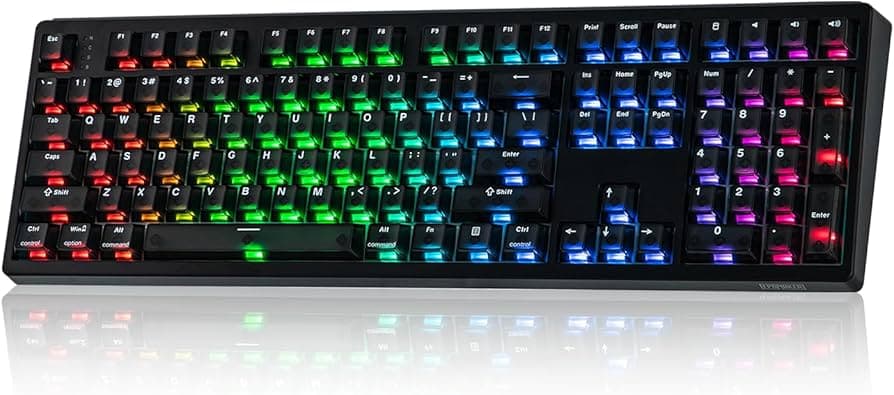
A Hall Effect keyboard becomes much more interesting when the conversation shifts from game speed to daily usability. Epomaker’s HE108 lands in that space with a full-size layout, tri-mode connectivity, and magnetic-switch flexibility that can change how the board feels for different hands, different workflows, and different levels of strain.
Hall Effect, framed as access rather than hype
Can I Play That?’s HE108 accessibility review treats the board as a practical tool first and a spec sheet second. That matters because Hall Effect boards are often sold on esports promises, but the HE108 shows why adjustable actuation and deeper remapping can matter just as much for typing, office work, and users who need a lighter or more predictable key response.
Epomaker positions the HE108 as a keyboard for both competitive gaming and demanding office tasks, and that dual framing fits the review’s core point: the appeal is not only faster input, but more adaptable input. Magnetic sensing lets the board support personalized settings for each Hall Effect key, which opens the door to different trigger points and more specific behavior than a fixed traditional switch can provide.
What the HE108 actually gives you
The HE108 is a 108-key full-size board designed for Mac and Windows use. Epomaker says it can work with up to 5 paired devices and move between wired, 2.4GHz, and Bluetooth modes, with on-board memory storing personalized settings. That combination makes it easy to imagine the board moving from a desktop tower to a laptop setup without losing the way it has been tuned.
Those details are not just convenience features. For users who rely on the same keyboard across multiple machines, on-board memory helps preserve the actuation profile and remapping that make the board usable in the first place. The tri-mode setup also makes the HE108 more plausible as a shared work-and-play keyboard than a single-purpose gaming peripheral.
Why accessibility-minded readers will notice the difference
The strongest argument in the review is that Hall Effect flexibility can support more than quick gaming taps. Adjustable actuation can reduce the amount of force or travel needed to register a key, which may help users who want less finger fatigue over long sessions or who need a more forgiving response window. Remapping also matters because a full-size board like the HE108 can be tuned around specific routines rather than forcing the user to adapt to a default layout.
That is where the HE108’s accessibility angle comes into focus. A keyboard that lets you personalize when a key fires, how it behaves, and how it switches between devices can better fit users with different mobility needs, desk setups, or mixed Mac and Windows workflows. The value is not abstract: it is the ability to make the same board behave differently depending on who is using it and what task is in front of them.
Where the HE108 still asks for compromise
The review’s clearest complaints are tied to the form factor, not the Hall Effect technology. That distinction is important because it suggests the core switch implementation is doing its job, while the physical size may be the real deal-breaker for some users. A full-size board brings the numpad and a wider footprint, but it also takes more desk space and can be less comfortable for those who prefer compact layouts or more arm movement freedom.
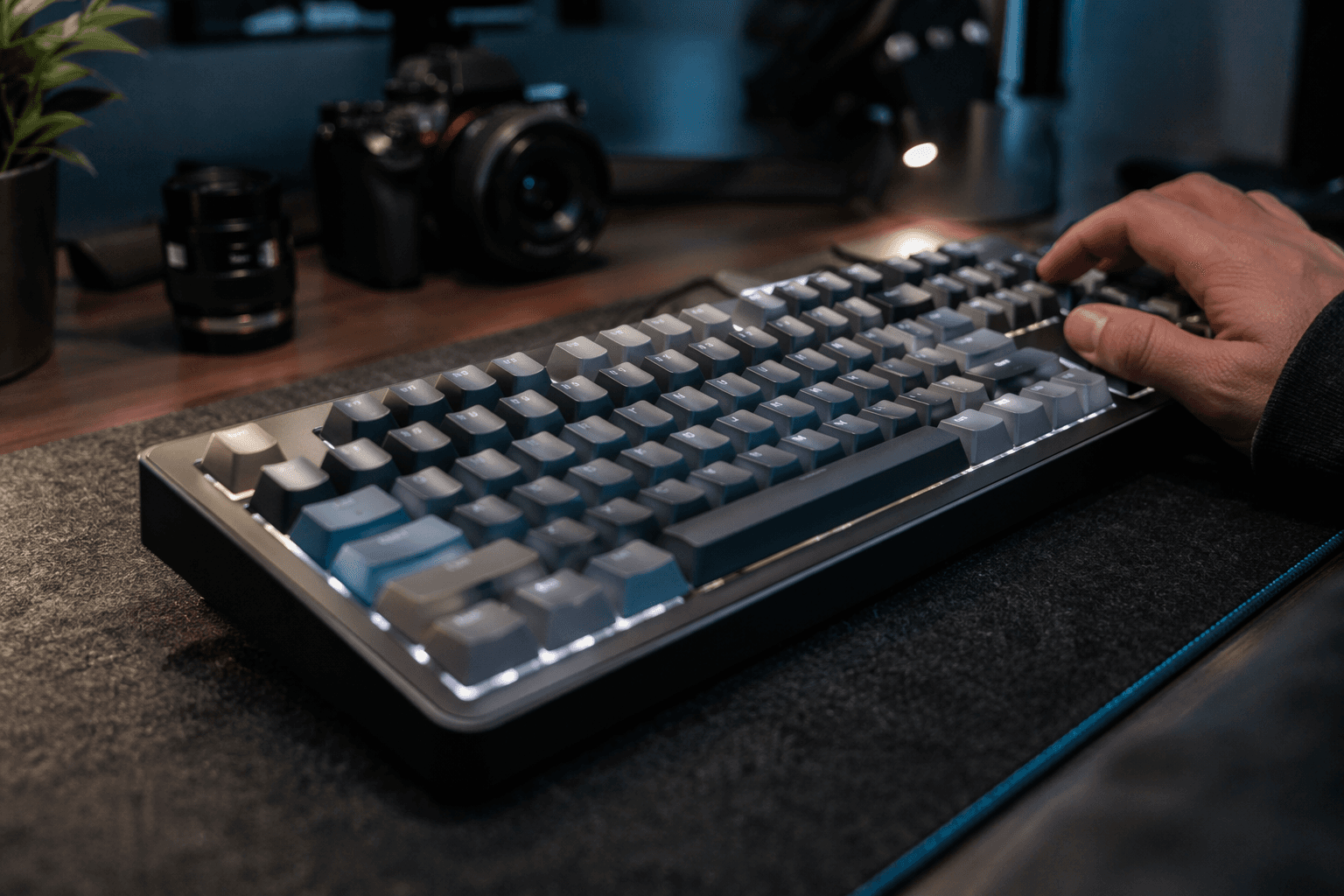
That is also why the comparison to the Magcore 65 Lite lands so well. Can I Play That? previously described the Magcore 65 Lite as a compact keyboard with inductive switches and accessibility benefits, and the contrast makes the HE108’s larger shape easier to understand. Epomaker is clearly exploring magnetic and analog-style keyboards across different sizes, but the right choice still depends on whether a user wants compact reach or full-size functionality.
Wireless caveats matter here more than they do in a spec sheet
One useful detail from the review is the Bluetooth behavior. The reviewer noticed a situation where some keys pressed during a delay did not appear to transmit immediately in the way they might have expected. For readers thinking about accessibility, that kind of real-world behavior matters because responsiveness is not just about polling numbers or marketing language, it is about whether the board behaves predictably when timing matters.
Epomaker’s own materials emphasize tri-mode connectivity and on-board memory, and the HE108 also includes a Windows and MacOS mode switch on the back. That makes the board look cross-platform on paper, but the Bluetooth caveat is a reminder that wireless convenience can still introduce friction. If you plan to lean on Bluetooth as your primary mode, that is the detail that deserves attention before the purchase.
What the HE108 says about switch design right now
The HE108 also sits inside a larger shift in keyboard design. Texas Instruments says Hall-effect sensors offer higher configurability than traditional mechanical switches and can increase longevity through contactless operation. That lines up neatly with the appeal of the HE108: more tuning, less wear, and a switch platform that can serve professional, gaming, and industrial uses instead of only one crowd.
SteelSeries’ Apex Pro and Apex Pro TKL launch at Computex in Taipei on May 28, 2019, remains a major milestone in Hall Effect adoption because it brought fully adjustable actuation to a much wider market. The HE108 does not need to reinvent that idea to matter. It shows how far the category has moved from a niche enthusiast concept toward a broader accessibility tool, where the best feature is not speed alone but the ability to set the keyboard up around the user.
The practical takeaway
The HE108 makes the strongest case for Hall Effect keyboards when they are judged by fit, not just flash. If you want a full-size board with Mac and Windows support, multi-device pairing, onboard memory, and the freedom to tune actuation and remap behavior, this is exactly the kind of keyboard that can earn its place on a desk.
If you need a smaller footprint, the HE108’s size may outweigh its strengths. But that tension is the point of the story: Hall Effect keyboards are no longer only about gaming performance, and the HE108 shows how magnetic switches can widen who a mechanical keyboard works for without pretending that every layout solves every problem.
This article was produced by Prism’s automated news system from verified source data, official records, and press releases, then run through automated quality and moderation checks before publishing. The system is built and supervised by the people who set the standards it runs under. Read our full AI policy.
Did this article answer your question?


