IGN compares a decade-old mechanical keyboard with 2026 powerhouses
A decade-old MX Clear board makes the upgrade question easy: modern gasket mounts, Hall effect switches, and better prebuilts are real gains, but not every spec leap matters.
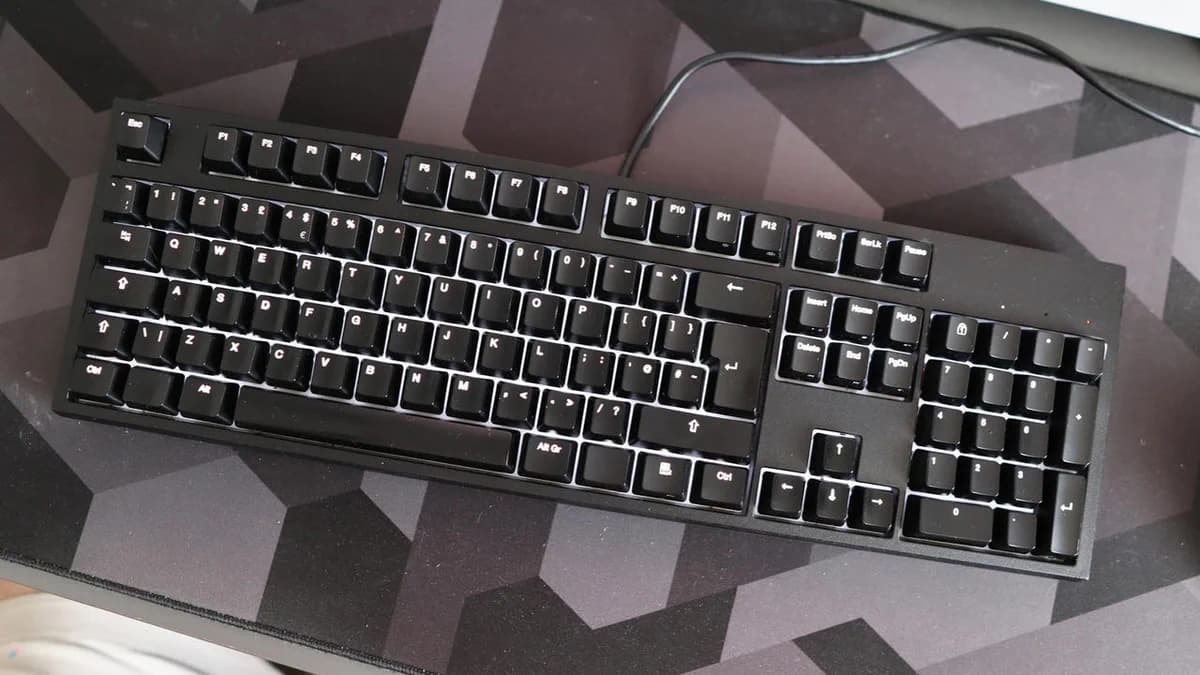
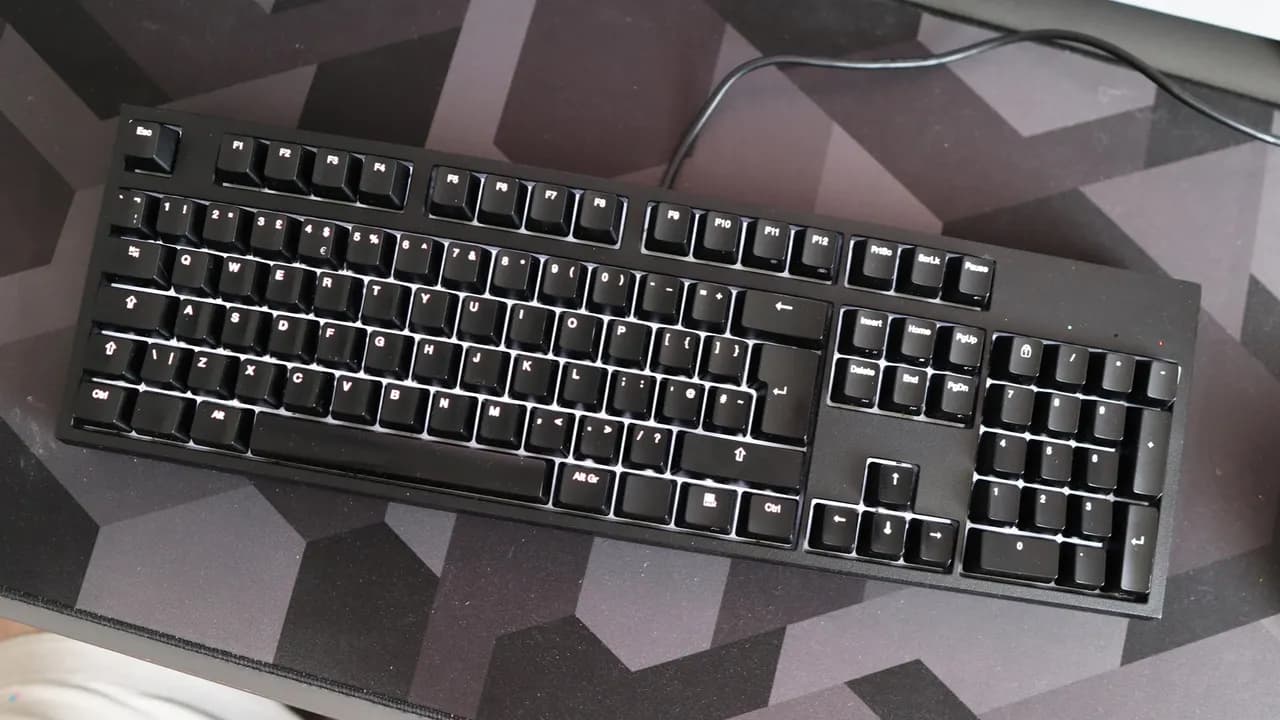
A scratchy Cherry MX Clear board still makes a convincing case for mechanical keyboards, but it also shows exactly where the hobby has moved on. In Reece Bithrey’s comparison for IGN, that old premium board sits against 2026 machines built around aluminum gasket mounts and Hall effect switches, and the gap is not just cosmetic. It is about sound, feel, software, and whether the keyboard you buy today can do things a mid-2010s board simply could not.
What the old board still gets right
Cherry MX Clears are a reminder that the core of the hobby has not disappeared. Cherry’s MX family has been in continual production since late 1983, which is why an older premium board can still feel recognizably “mechanical” even beside the newest magnets-and-firmware showpieces. The switches are part of the long lineage that made the hobby what it is, and they still give you a firm, tactile identity that many modern boards are trying to reinterpret rather than replace.
If your old board already has a solid plate, a layout you love, and a switch feel you have learned over years, the modern market is not telling you that all of that is obsolete. It is telling you that the defaults around it have improved dramatically.
Why stock acoustics are no longer an afterthought
The biggest quality-of-life leap is not a feature mode or a spec sheet number. It is how much better keyboards sound and feel before you touch them. Aluminum gasket-mounted boards have become a defining part of the 2026 premium landscape, and that mounting style changes the experience immediately by softening harsh bottom-out noise and giving the board a more controlled, less rigid character.
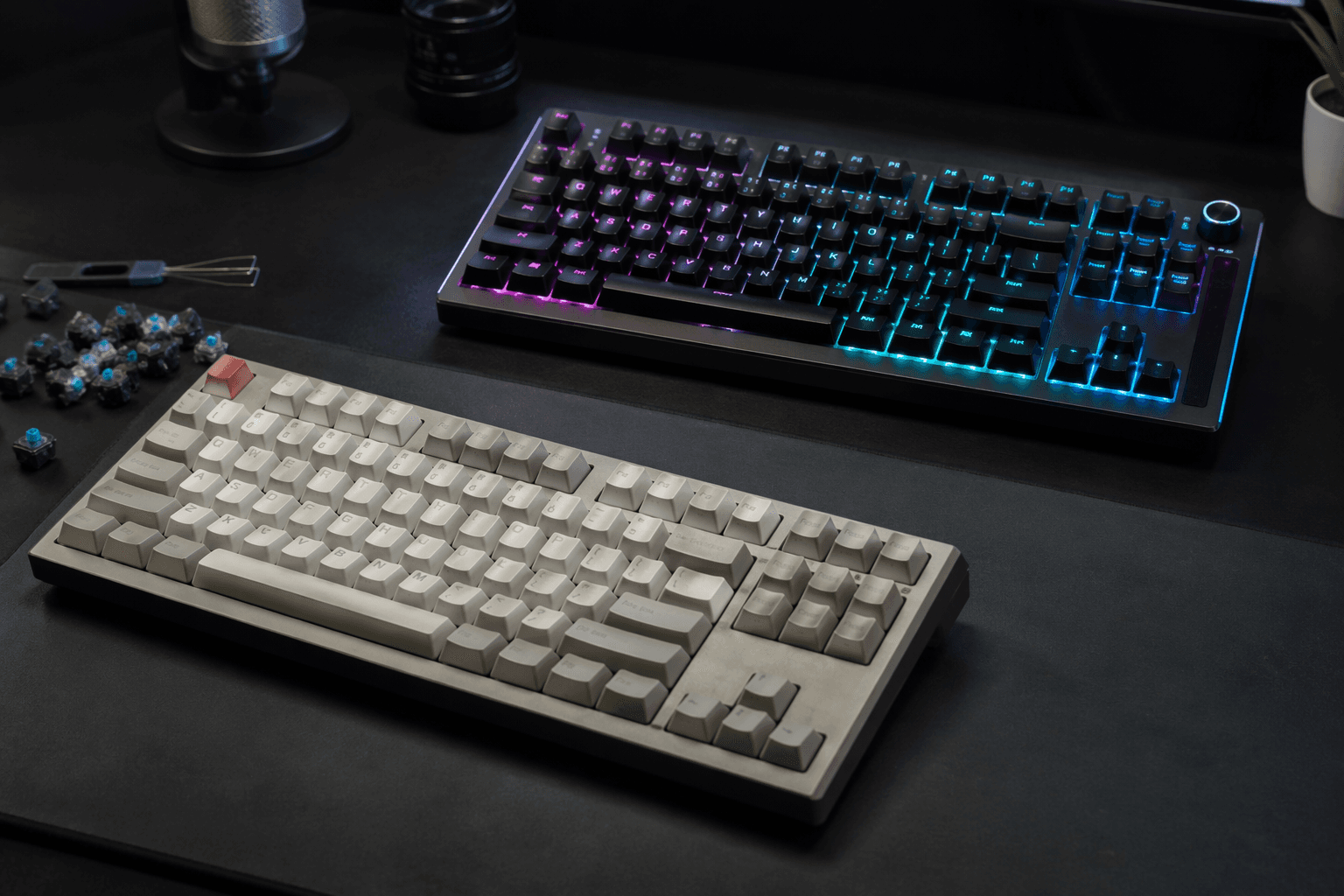
That is a real upgrade over many older enthusiast boards, especially the ones that needed manual tuning to avoid sounding hollow or sharp. If you remember the era when a good board often meant buying the case, the switches, the stabilizers, the foam, and then spending an evening fixing what the factory left rough, modern prebuilts are easier to recommend.
Hall effect is the big performance story, not just a gimmick
Hall effect switches are the most obvious modern break from the old MX template. LTT Labs traced the category’s move from niche to serious interest in a 2024 history of Hall effect keyboards, and by 2026 the headline features were rapid trigger, customizable actuation, and competitive-gaming responsiveness. Those are not marketing flourishes if you care about movement control, repeated taps, or shaving latency in a game that rewards instant key reset.
The appeal is practical. Traditional MX switches give you a fixed actuation point, while Hall effect boards let you tune where a press starts registering and how fast it resets. That is why the Wooting 80HE, SteelSeries Apex Pro TKL Gen 3, ASUS ROG Falchion Ace HFX, and Keychron Q1 HE keep appearing in the same conversation: they turn the keyboard into a configurable input device rather than a static one. If you mostly type, that flexibility may feel optional. If you want a board that can adapt to gaming and typing without a switch swap, it is one of the clearest real advances in the hobby.
Alibaba’s Hall Effect Keyboard Guide counts over a dozen new Hall effect models launched in 2024 alone.
Software is part of the product now
A decade ago, buying a mechanical keyboard often meant buying hardware first and living with whatever the board did out of the box. Today, software programmability is part of the ownership experience, especially on Hall effect models and newer enthusiast prebuilts. Adjustable actuation, rapid trigger behavior, and custom key layers are now features buyers expect to configure rather than features they discover later in a forum thread.
A board with excellent build quality but weak software now feels incomplete, while a mid-priced board with solid firmware and thoughtful customization can beat a pricier older model in daily use.
The market is broader, and better boards are easier to buy
The accessory wall has become a real market. Technavio expects the mechanical keyboard market to increase by USD 362.6 million from 2025 to 2030 at a 6% CAGR, while Grand View Research puts the gaming keyboard market at $1.1 billion in 2024 and projects growth from $1.3 billion in 2026 to $1.9 billion by 2030 at a 9.3% CAGR. That kind of expansion shows up in the hardware itself: more layouts, more price tiers, more ready-to-use boards, and far fewer reasons to overpay for something merely because it is “custom.”
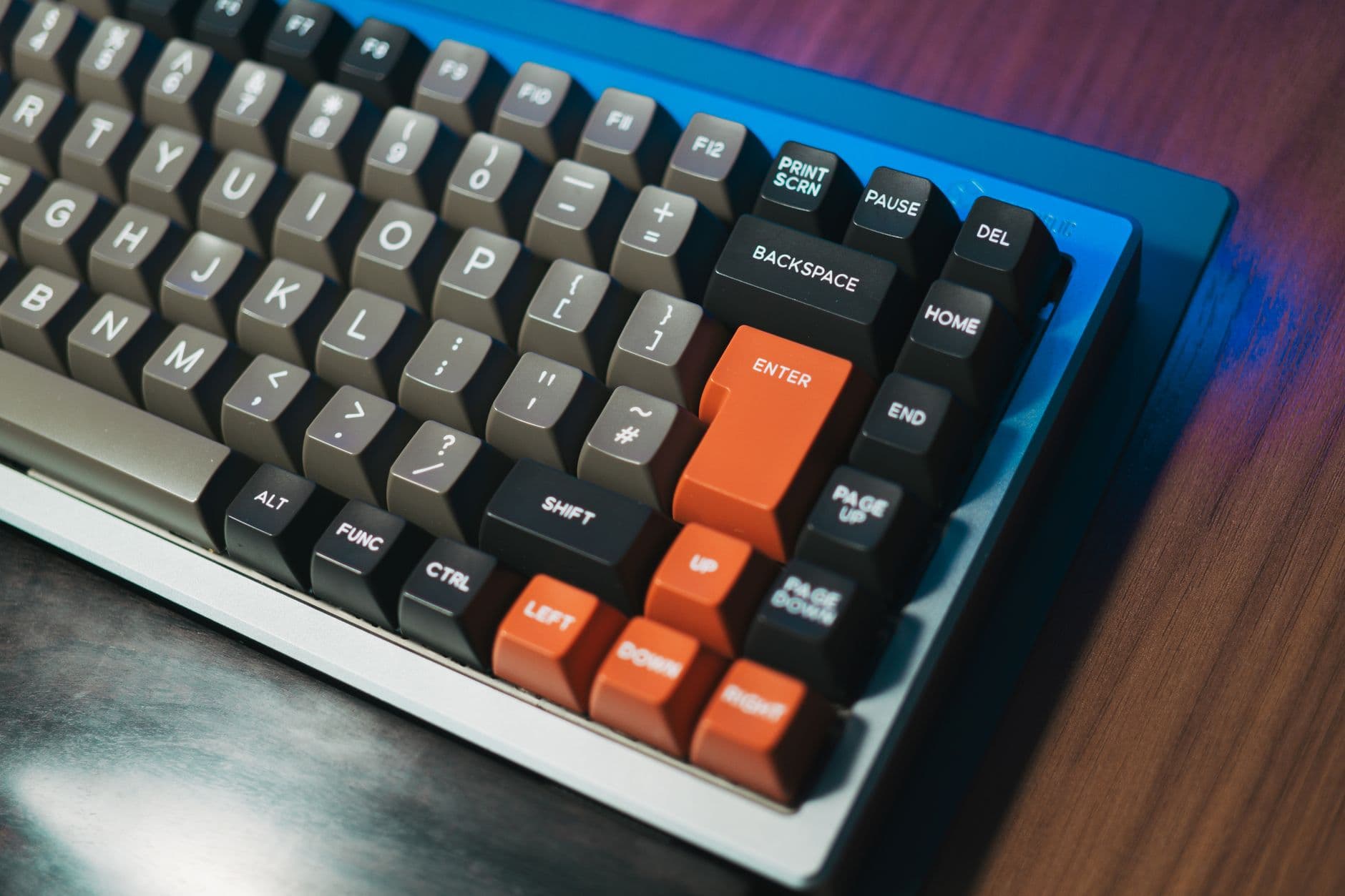
The Keychron V3 Max, V5 Max, and V6 Max sit alongside the C3 Pro and Evoworks Evo80 in Wirecutter’s 2026 recommendations, which tells you how much the market now spans budget-friendly choices and enthusiast-leaning prebuilts. That range is the quiet upgrade lapsed buyers feel most immediately: you can get a usable, well-rounded board without paying boutique pricing or building from scratch.
What is real upgrade territory, and what is just hype
The useful way to think about the modern market is not “new is better.” It is “new solves a specific problem better.” Aluminum gasket mounts are a real improvement if you want better stock acoustics and a more refined feel. Hall effect switches are a real improvement if you want adjustable actuation, rapid trigger, and performance tuning. Better prebuilts at accessible prices are a real improvement if you want to stop treating every good keyboard as a project.
The hype lives where the spec sounds exciting but does not match your use. If you are happy with a classic MX tactile board, Hall effect will not magically make typing more satisfying. If your old board already sounds good and feels stable, a replacement needs to offer more than shinier aluminum and a louder marketing cycle.
This article was produced by Prism’s automated news system from verified source data, official records, and press releases, then run through automated quality and moderation checks before publishing. The system is built and supervised by the people who set the standards it runs under. Read our full AI policy.
Did this article answer your question?