IQUNIX MQ80 review highlights premium low-profile typing feel
MQ80 leans on Kailh Pom Gold Linear Red switches and a CNC aluminum shell to make low-profile feel genuinely premium. Its real tradeoff is heft: 1,180g buys polish, but not a featherweight travel board.
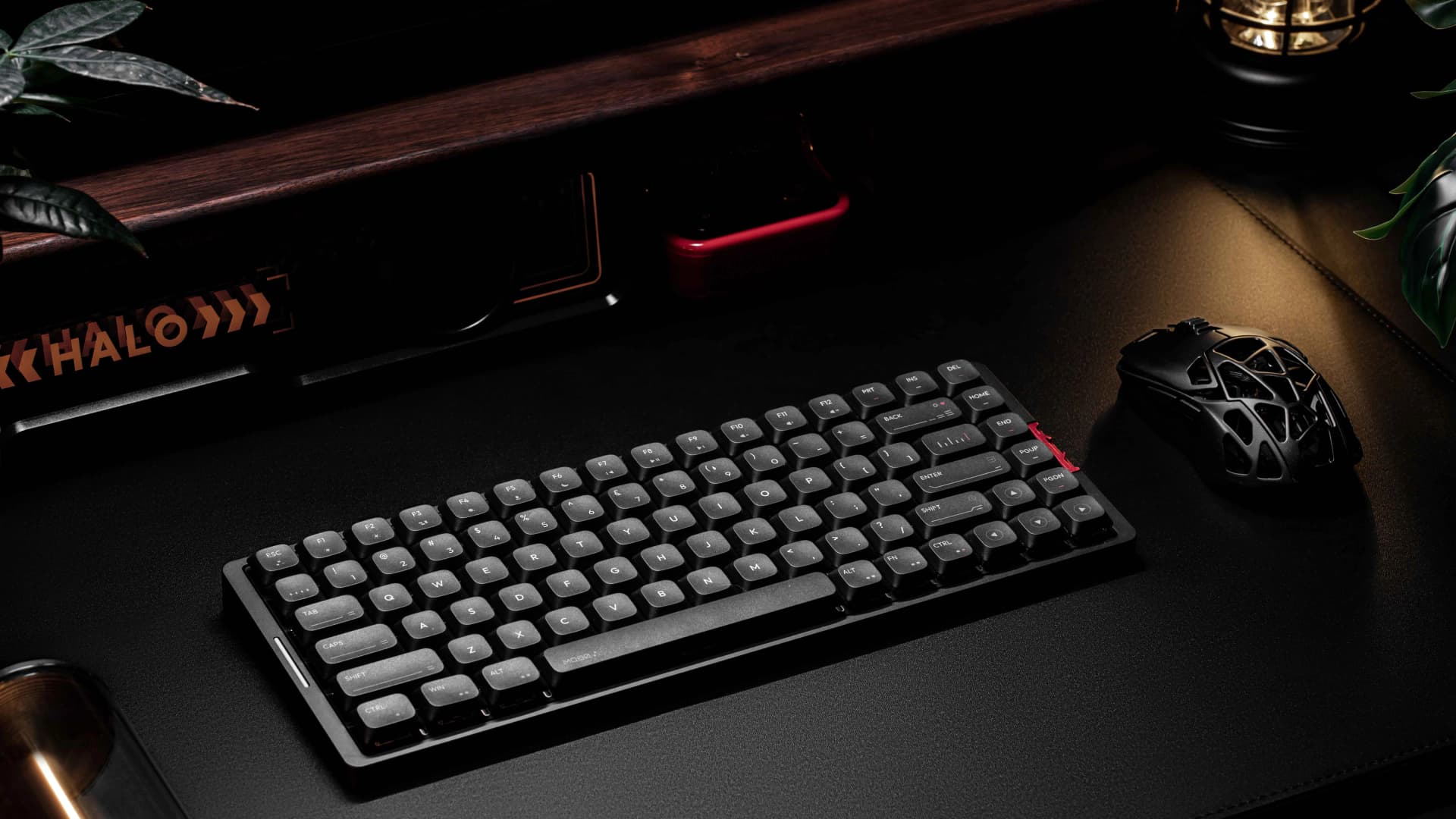
On July 20, 2026, The Mercury News highlighted the IQUNIX MQ80’s Kailh Pom Gold Linear Red switches as one of the board’s “top features.” The switches keep the typing feel from going soft or hollow.
What the MQ80 is trying to be
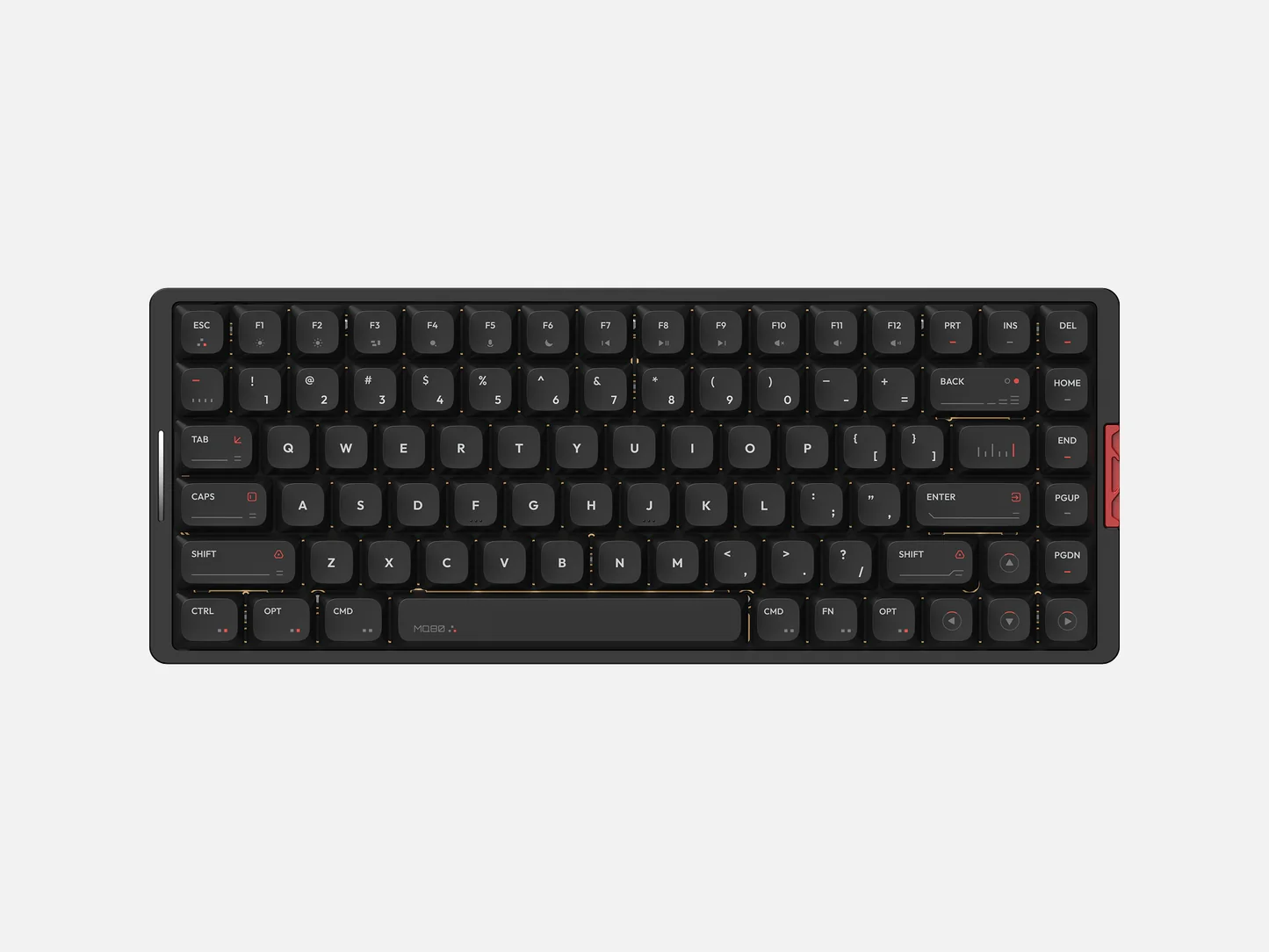
The MQ80 is an 80% low-profile mechanical keyboard with a CNC aluminum body, and that combination puts it squarely in premium territory. This is not the kind of board built to look like a stripped-down travel accessory; it is built to look and feel like a deliberate desktop peripheral that just happens to sit lower than a standard-height board. It also supports VIA, which gives the MQ80 appeal beyond its shell and makes it easier to tune for people who want their layout and layers shaped around daily use.
Low-profile boards often have to fight a perception problem, because some feel too compressed to satisfy mechanical keyboard regulars, while others lean so hard into portability that they lose their identity. The MQ80 is aimed at the middle ground, where the typing experience, acoustics, and build quality need to carry the premium price rather than a long feature checklist.
Why the switches and mount matter
Those Kailh Pom Gold Linear Red switches are central to the board’s appeal. Low-profile designs can feel mushy when the stem travel and top-out behavior are not tuned well, but the MQ80’s switch package is meant to preserve a crisp mechanical character instead of flattening it into something merely quiet and slim.
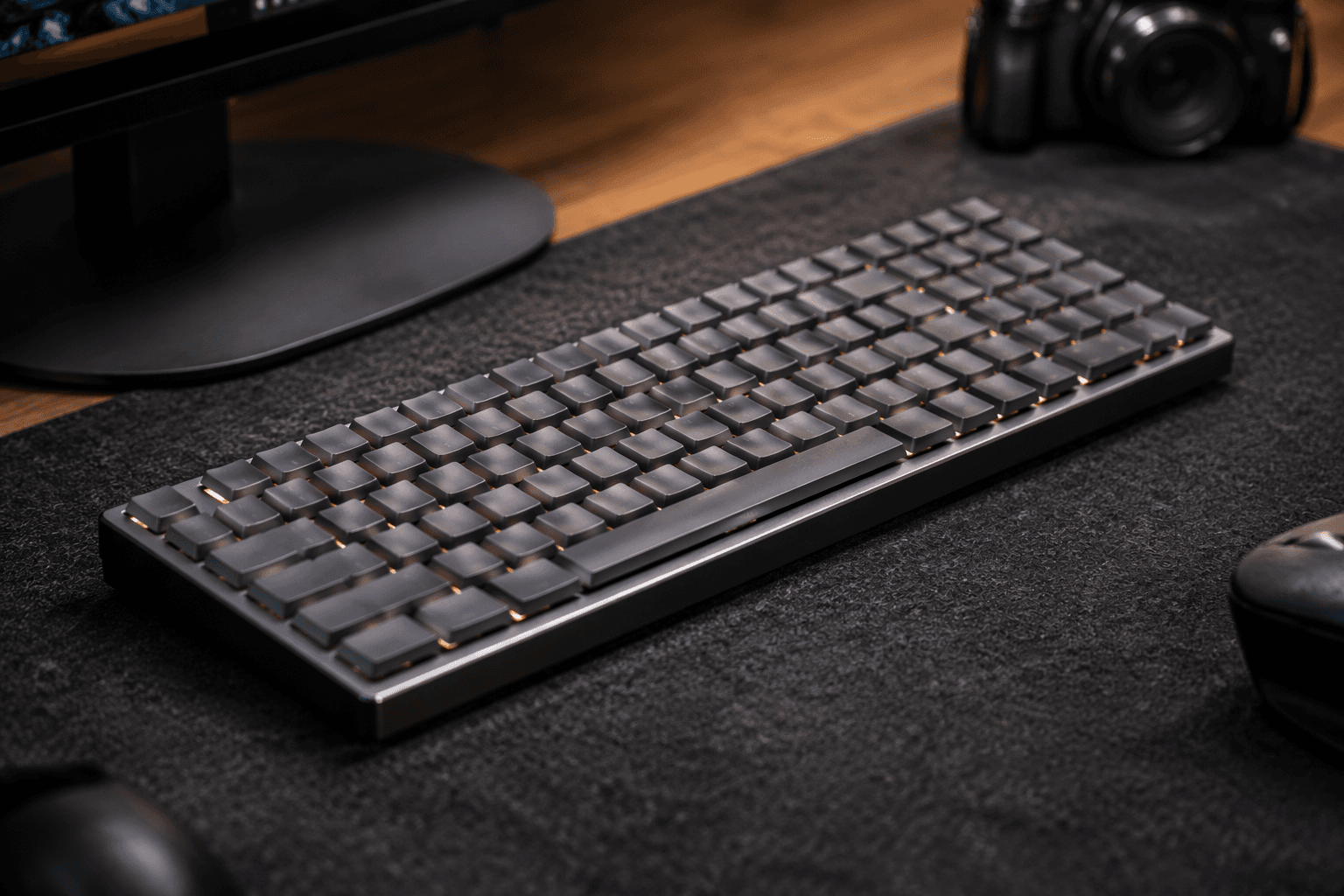
The MQ80 uses Le-Tray gasket mount construction and PBT keycaps, both of which suggest a focus on sound and touch rather than just appearance. On May 1, 2025, a review called it the “Best Sounding, Most Comfortable Aluminum Low-Profile Keyboard,” while a ThinkComputers.org Facebook post on May 5, 2026 called it “an incredible typing experience with impressive acoustics and soft touch.”
Build quality and daily usability
A 2025 YouTube review called the MQ80 a premium board that “one-ups the Lofree Flow in almost every way.” That comparison lands because the MQ80 is not selling only on specs; it is selling on the sense that the board feels more finished than many slimmer competitors. A hard-shell carry case adds practical value, especially for users who want to move the board between home, office, or a temporary setup without worrying about tossing it into a bag bare.
Still, the portability angle has limits. The MQ80 is not especially lightweight for travel, and it weighs 1180g. That makes the board easy to move around a desk or pack for deliberate transport, but it is not the kind of low-profile keyboard you buy if every gram matters. The low-profile shape helps it fit visually and ergonomically into more places, yet the aluminum construction and dense feel make it better suited to premium desk use than constant commuting.
Wireless flexibility, battery life, and speed
The MQ80’s tri-mode connectivity is one of its more practical selling points. It supports USB, Bluetooth, and 2.4 GHz wireless, which gives it the flexibility expected from a modern premium board. For a lot of buyers, that is the difference between a keyboard that looks nice on paper and one that can actually move between workstations, laptops, and a desktop without fuss.
The other utility details are just as relevant. The MQ80 has a 4000mAh battery rated for about 350 hours of use, which is the kind of figure that helps a wireless low-profile keyboard feel less like a constant charging chore. It also has a 1000Hz wired polling rate and 125Hz wireless, a reminder that the MQ80 is built to cover both fast desk use and untethered convenience.
Who should pay for the MQ80
This is the board to buy if you want low-profile ergonomics without accepting a bargain-bin feel. The MQ80 makes the most sense for people who care about acoustics, aluminum build quality, PBT keycaps, hot-swappability, VIA support, and a typing experience that feels intentionally tuned rather than simply slim. If your ideal keyboard is understated, premium, and comfortable for long sessions, the MQ80’s combination of switch feel and chassis quality justifies its positioning.
The board also has a clear audience among users who like the low-profile look for office setups or laptop pairing, but still want something with enough presence to serve as a main keyboard.
Who should look elsewhere
If portability is your top priority, the MQ80’s 1180g weight and aluminum construction work against the idea of a truly grab-and-go keyboard. A lighter low-profile option will make more sense if you are packing gear every day or want the smallest possible burden in a backpack. And if you prefer the more familiar depth and cushioning of a standard-profile board, the MQ80’s slimmer geometry may never fully replace that experience, no matter how refined the switches feel.
This article was produced by Prism’s automated news system from verified source data, official records, and press releases, then run through automated quality and moderation checks before publishing. The system is built and supervised by the people who set the standards it runs under. Read our full AI policy.
Did this article answer your question?