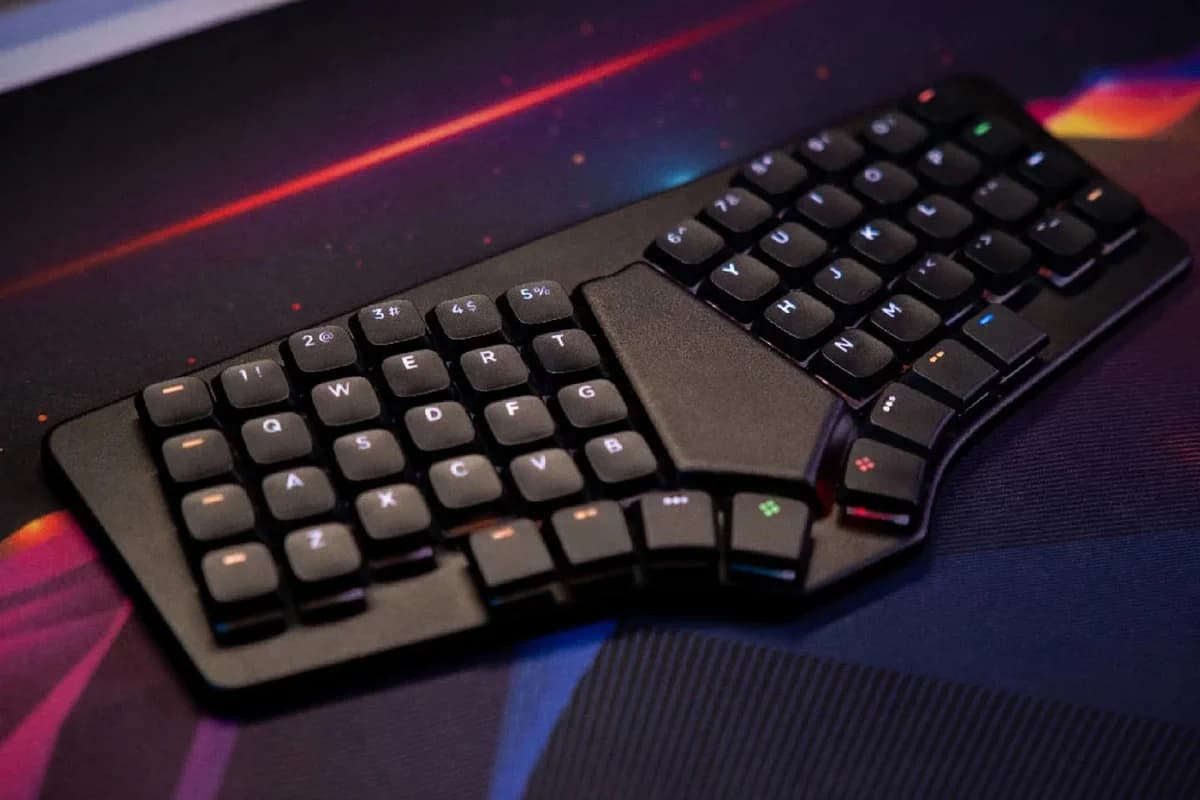
KBD.news tracks mechanical keyboard meetups in one central directory
KBD.news gives keeb fans one live index for upcoming meetups and archived gatherings. It makes local scenes easier to find, and easier to test boards before buying.
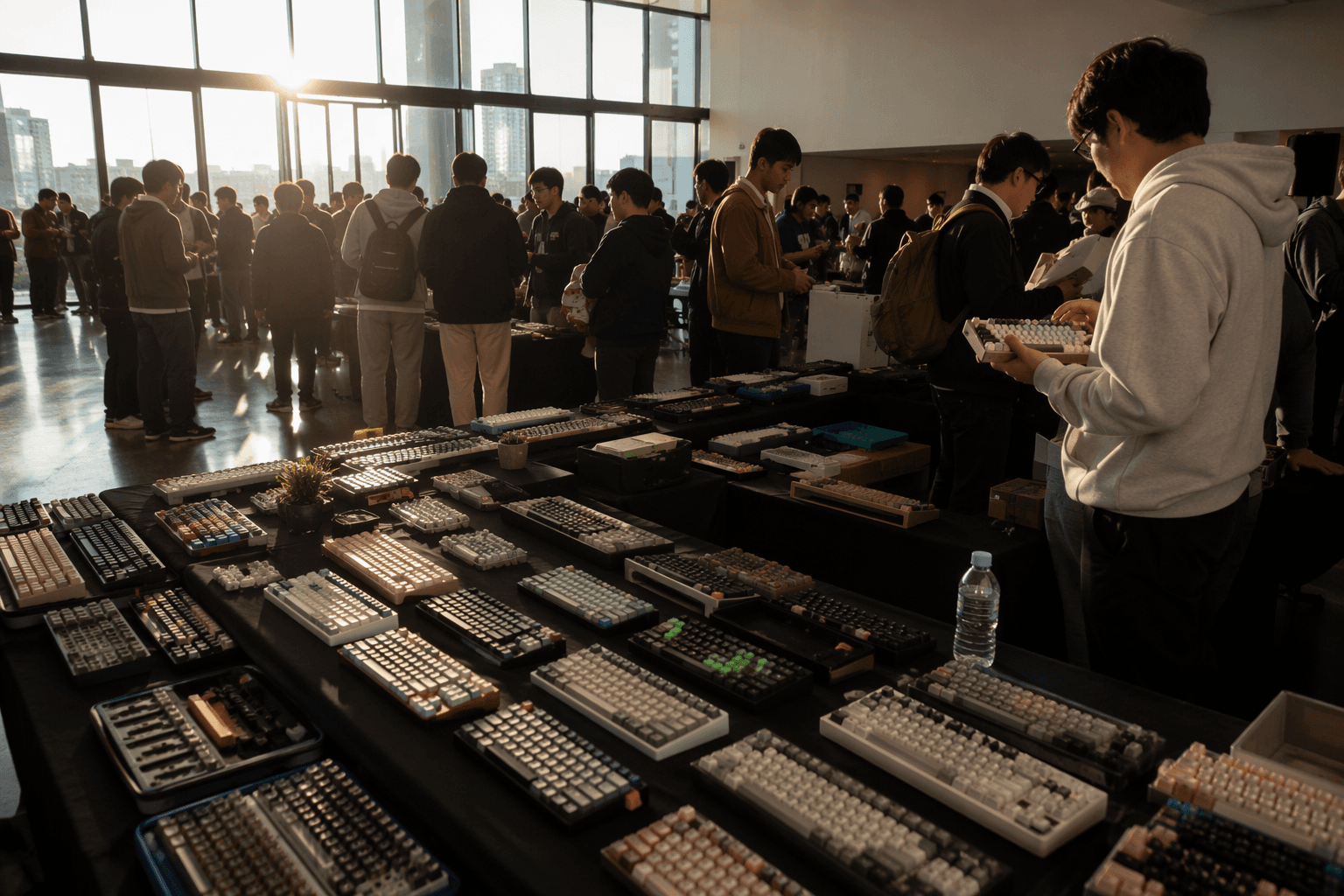
KBD.news turns meetup hunting into a single stop. Its Mechanical Keyboard Meetups page lists upcoming gatherings and archives past ones, so you can check timing, location, and special details without chasing posts across multiple platforms. For a hobby built on board handling, switch testing, and in-person conversation, that kind of directory is more than convenient, it is useful infrastructure.
How the directory works
KBD.news describes the page plainly: “I thought it would be useful to list all the upcoming mechanical keyboard meetups in one place - and archive ones too.” That framing matters because the page is not just a news post about one event, it is a reference point for the hobby’s offline side. The live index format lets you see where a scene is active now, while the archive shows where meetups have already happened and how often they recur.
That makes the page practical in the same way a good vendor list or build guide is practical. You can check whether there is a meetup near you, see whether it is a one-off or part of an established local circuit, and use the archived listings to get a sense of how communities organize around cities, venues, and recurring calendars. The benefit is simple: less digging, more actually showing up.
What to do before your first meetup
A first meetup is easier when you use the directory as a planning tool instead of treating it like a flyer. Open the listing, note the city, the venue, and the event timing, then look for any details that signal whether the gathering is casual, vendor-friendly, or geared toward show-and-tell. Kinetic Labs published “What to Expect at Your First Mechanical Keyboard Meetup” with Preston S. on September 18, 2023, which is a good sign that first-timers keep arriving and keep looking for a map before they walk in.
If you are heading out for the first time, the basics are straightforward:
- Bring a board you actually want feedback on, not just the one you happen to use every day.
- Be ready to let other people type on it, and ask to try their layouts in return.
- Pay attention to switches, stabilizer tuning, and sound profiles, since those are much easier to judge in a room than through speakers.
- If you are shopping for a custom build, try before you buy. Meetup tables are where a layout or switch choice can make sense, or fall flat, in seconds.
That last point is the real payoff. A forum thread can tell you a board is popular; a meetup lets you feel whether the profile, weight, and mount style actually fit your hands and your typing habits. It is the difference between reading about a switch and living with it for a few minutes.
Why in-person still matters for buying decisions
Mechanical keyboards are a social hobby in the most literal sense. People do not just buy boards and disappear. They build, mod, trade parts, compare sound profiles, and show off layouts. That is why meetups remain such a strong filter for buying decisions, especially when you are deciding between customs, split boards, or a switch change that looks great on paper but feels wrong in person.
In-person events are where the hobby’s best shortcuts happen. You can compare two boards side by side, hear stabilizer tuning without headphone compression, and decide whether a layout is worth the adjustment period before spending money on it. You also get regional taste in the open, which matters when one scene leans toward heavy customs and another leans toward gaming boards or experimental splits.
That is part of why meetup directories continue to matter alongside forums and social feeds. Geekhack still has a dedicated Meetups board, and Meetup’s mechanical-keyboards topic page lists 49 members and 1 group, which shows that discoverability still happens on more than one platform. KBD.news sits in that same ecosystem, but with a cleaner utility focus: it helps you find the room and then get to work once you are there.
Where the meetup scene is showing up
The broader meetup map shows how varied the scene has become. The NYC Mechanical Keyboard Meetup site says “Next Event: TBD” and invites people to join its mailing list to hear about it first, which is a reminder that some of the best local scenes still run on direct mailing lists rather than broad social discovery. That same pattern shows up elsewhere, where a city-specific page becomes the hub and the rest of the community gathers around it.
Chicago is a good example of the hobby crossing into more formal public spaces. The Chicago Mechanical Keyboard Meetup page appears on the Design Museum of Chicago events calendar, which says a lot about how far keyboard culture has moved beyond small internet circles. Cassidy Williams’s recap, “That Windy City Keeb Meet 2025 recap,” adds another layer: she said she attended and spoke at the Chicago meetup, and she noted that she used to help organize Seattle meetups. That one detail connects multiple cities and shows how meetup culture travels with the people who keep it going.
Sacramento adds the local-news angle. CapRadio ran “Mechanical keyboard meetup brings together enthusiasts in Sacramento” on March 5, 2025, and its coverage noted that enthusiasts gathered at Bike Dog in Sacramento. That is the kind of visibility a healthy meetup ecosystem generates when a scene becomes big enough to support repeated in-person gatherings and public venues. It also shows why a directory like KBD.news matters: the events are not just happening, they are findable.
KBD.news does not replace local organizers, city pages, or platform-specific groups. It pulls them into one place, and that is what makes it so useful. If you are trying to get offline for the first time, or trying to decide whether a board is worth buying after one more review, a central meetup index gets you to the part of the hobby that still answers fastest in person: the table, the switches, and the keyboard in your hands.
This article was produced by Prism’s automated news system from verified source data, official records, and press releases, then run through automated quality and moderation checks before publishing. The system is built and supervised by the people who set the standards it runs under. Read our full AI policy.
Did this article answer your question?