Keychron Orca Echo prototype draws mixed reactions at Japan meetup
The Orca echo’s right-thumb trackball got the loudest reaction in Tokyo, where builders split over whether the layout saves motion or invites thumb strain.
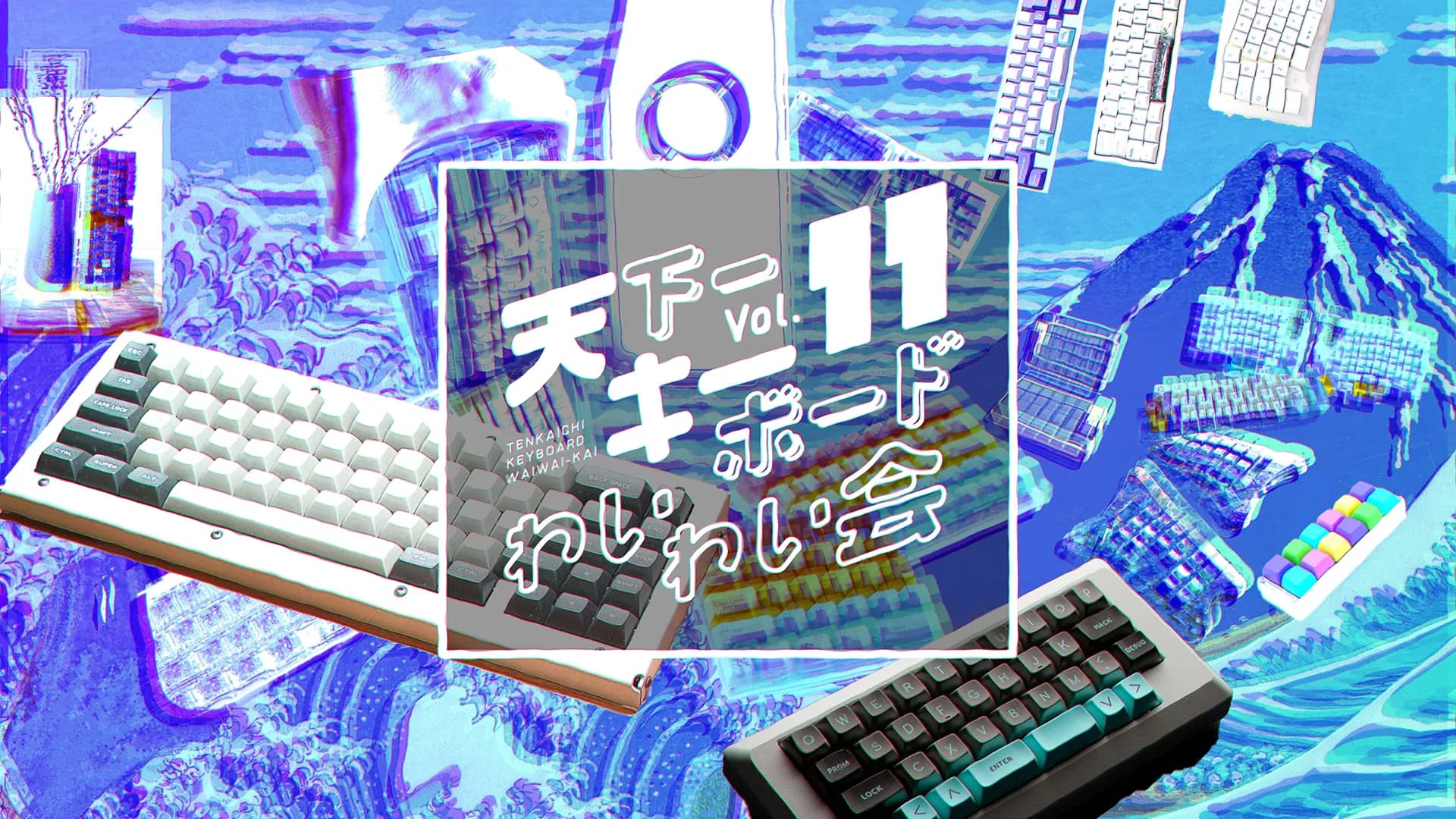
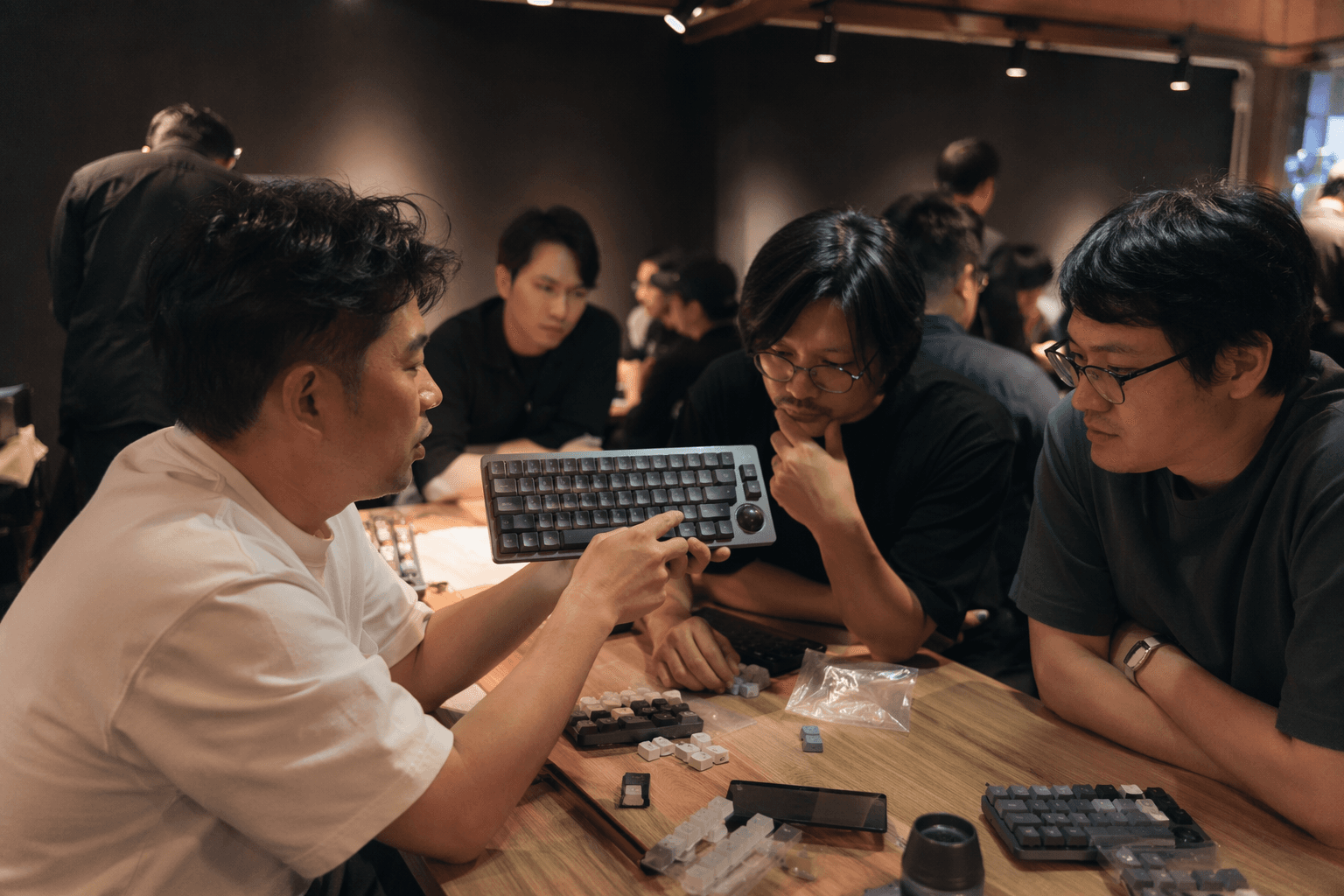
The biggest reaction to Keychron’s Orca echo prototype was not the 49-key split layout itself, but where the right-thumb 19mm trackball sat once builders put their hands on it. At Tenkaichi Keyboard Waiwai Meetup Vol. 11 in Roppongi, Kopek Japan showed the board in person for the first time in Japan, and the placement of that thumb control quickly became the part people were judging most closely.
That mattered because the meetup was built for exactly this kind of hands-on verdict. The event ran June 6 at DMM.com Group’s seminar rooms in Tokyo and drew 370 seats, including 300 general seats and 70 first-time or student seats, giving Keychron and Kopek Japan a large enthusiast audience instead of a polished trade-show crowd. Kopek Japan described the meetup as the earliest domestic chance to try the prototype, and the real-world response centered on the same question that will decide whether the Orca echo works beyond the display table: does putting pointing controls under the thumbs actually cut desk movement, or does it create a new strain point?
The Orca echo is trying to do a lot in one body. The prototype combines a left-side wheel, dual scroll pads, and two-stage tenting with wired, Bluetooth, and 2.4GHz connectivity. It also supports up to three Bluetooth devices, uses an 800mAh battery, and ties into Keychron Launcher for on-device storage. In other words, this is not just a split keyboard with a novelty add-on. It is a full hybrid input device meant to keep typing, scrolling, and cursor work under one ergonomic roof.
That ambition had already been previewed at COMPUTEX TAIPEI 2026, where the board made its global debut from June 2 to June 5. Japan will get the next major test when crowdfunding begins on June 19 at 20:00 through GIZMART. The timing gives Keychron a short window to absorb the kind of community feedback that only happens when experienced builders can move their hands across the board, feel the thumb cluster, and decide immediately whether the layout is clever or simply compromised.
For mechanical-keyboard people, that is the whole story in miniature. A split board with tenting and integrated pointing can look like the future on a slide, but at a meetup, the thumb trackball has to prove it belongs there.
This article was produced by Prism’s automated news system from verified source data, official records, and press releases, then run through automated quality and moderation checks before publishing. The system is built and supervised by the people who set the standards it runs under. Read our full AI policy.
Know something we missed? Have a correction or additional information?
Submit a Tip

