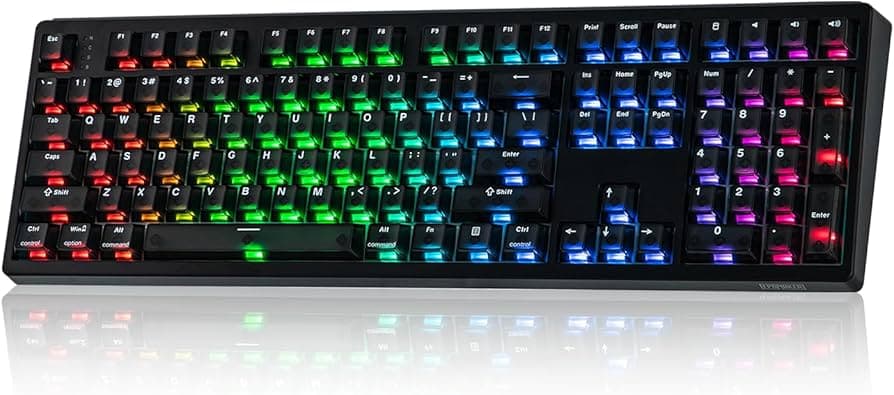
Keychron Q11 Ultra sparks signs split keyboards are going mainstream
Keychron’s Q11 Ultra pulled more than 5,000 page views in a day, suggesting split keyboards are reaching readers far beyond the usual custom-build crowd.

The reaction to Keychron’s Q11 Ultra was almost as striking as the board itself. In a single day, the split keyboard introduction drew more than 5,000 page views, over 400 clicks through to Keychron’s official page, and more than 50,000 social media impressions, a level of attention that would have been hard to imagine for a premium split board just a few years ago.
That traffic does not prove universal demand, but it does show curiosity reaching beyond the small custom-keyboard niche that usually follows ergonomic releases. The strongest responses were practical and immediate: readers wanted full wireless connectivity, hoped for a JIS version, and kept circling back to the same idea, a split 75% layout with no cable between the halves. For a category long associated with soldering, sourcing parts, and learning a new layout from scratch, that kind of broad interest matters.
Keychron’s pitch changes the usual split-keyboard equation. The Q11 Ultra combines a recognizable brand with a full-metal case, 2.4 GHz wireless syncing between the halves, 8K polling, ZMK, and Launcher support, all in a board that is ready to use out of the box. That matters in a market where ergonomic boards have often been treated as custom projects first and consumer products second. The Q11 Ultra does not ask buyers to start with a kit and a forum thread. It arrives as a finished object with the kind of specifications that enthusiast boards usually reserve for deep-dive comparisons.
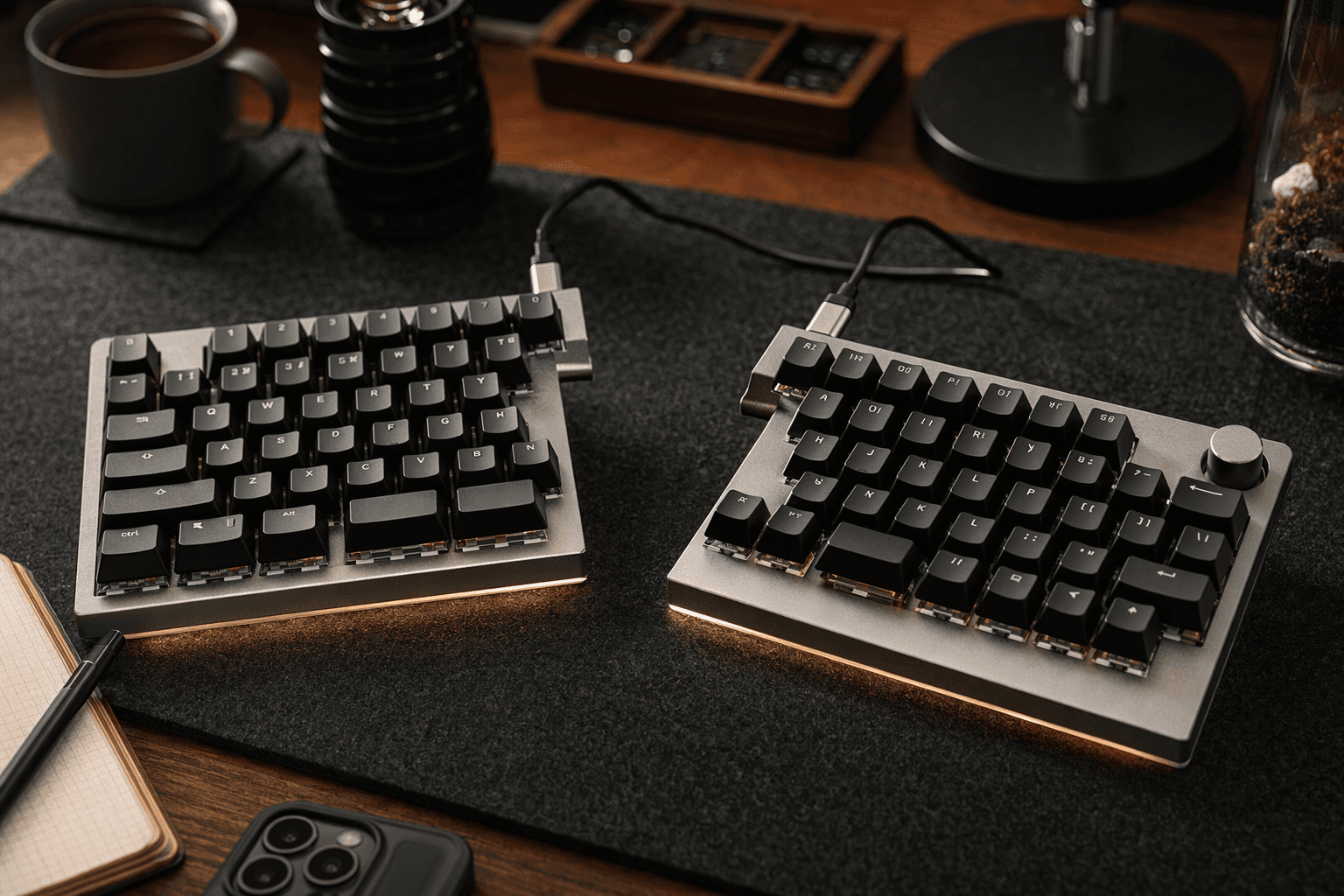
The unanswered questions are still the ones that decide whether a board like this moves from fascination to adoption. English-only availability will limit some buyers, and price sensitivity will shape how many people are willing to trade a familiar one-piece board for a split layout. Even so, the attention itself is revealing. A mass-production company can now put serious engineering and polished industrial design into a split keyboard and pull in readers who would never have gone looking for a custom split build.
That is the real signal in the Q11 Ultra’s numbers. More than 5,000 page views, 400 clicks, and 50,000 impressions do not just point to one launch doing well. They suggest that split keyboards are no longer speaking only to the converted, and that ergonomic layouts may finally be crossing into the same premium consumer space that once belonged almost entirely to standard boards.
This article was produced by Prism’s automated news system from verified source data, official records, and press releases, then run through automated quality and moderation checks before publishing. The system is built and supervised by the people who set the standards it runs under. Read our full AI policy.
Did this article answer your question?