Low‑Profile vs Full‑Height Keyboards in 2026: Switches, Travel, Typing Feel
Low‑profile keyboards in 2026 finally offer genuine mechanical and magnetic switch options and hot‑swappable PCBs, narrowing the gap with full‑height boards, choose by travel, tactile preference, and desk needs.
Low‑profile and full‑height mechanical keyboards have both matured. Low‑profile designs now include true mechanical housings, magnetic and Hall‑Effect contactless options, and more hot‑swappable PCBs, while full‑height boards keep the longer travel, keycap variety, and the deeper tactile and acoustic signatures many typists prefer. Brands such as NuPhy, ASUS ROG, and MelGeek have pushed modular and low‑profile refinements at recent product launches, turning this into a practical choice rather than a compromise.
1. Switches
Low‑profile boards: Low‑profile switch offerings today include genuine short‑throw mechanical housings and magnetic/Hall‑Effect contactless modules, so you can get linear, tactile, or clicky behavior in a lower profile frame. Many low‑profile PCBs support hot‑swap sockets, making it possible to test low‑profile switch families without soldering; that modular approach has been a major factor in the recent quality gains. Expect different mounting and stem dimensions than full‑height switches, this affects keycap fit and the available aftermarket switch pool, so confirm compatibility before buying replacement switches. Manufacturers have also started matching spring and housing tolerances to reduce the “hollow” feel early low‑profile designs were criticized for.
2. Travel
Low‑profile travel characteristics: The defining difference is travel distance, low‑profile key travel and pre‑travel are reduced, which shortens finger motion and can improve speed for repeat keystrokes and tight desk setups. That reduced travel also lowers required finger travel energy and can make typing feel quicker but less cushioned; this benefits ambidextrous gamers and fast typists who prioritize responsiveness. Full‑height travel characteristics: Full‑height (full‑travel) keyboards still provide more total and bottom‑out travel, which many typists associate with better finger feedback, richer acoustic “thock,” and easier error correction because of more pronounced tactile and physical cues. Longer travel also enables a wider variety of switch designs and keycap profiles, which matters if you value sculpted profiles (SA, sculpted Cherry) or deeper stabilizer tuning.
3. Typing feel
Low‑profile typing feel: Improvements in switch design, magnetic actuation, and plate/PCB geometry mean low‑profile boards today can deliver firmer tactility and cleaner transient responses than earlier generations. Magnetic/Hall‑Effect switches offer near‑linear smoothness and contactless durability, reducing spring and contact wear over long service life, an advantage if you swap frequently or need high reliability. Sound and stabilizer feel remain the trickiest area: lower height reduces chamber volume and changes resonance, so achieving the same “thock” as a full‑height board requires targeted case construction and damping. Full‑height typing feel: Full‑height boards continue to win on deep, resonant acoustics, more pronounced bottom‑out satisfaction, and a broader ecosystem of keycaps and stabilizer mods for fine‑tuning. If you prize layered tactile nuance and the ability to sculpt sound by swapping plates, foam, and heavier keycaps, full‑height still offers the most predictable path.

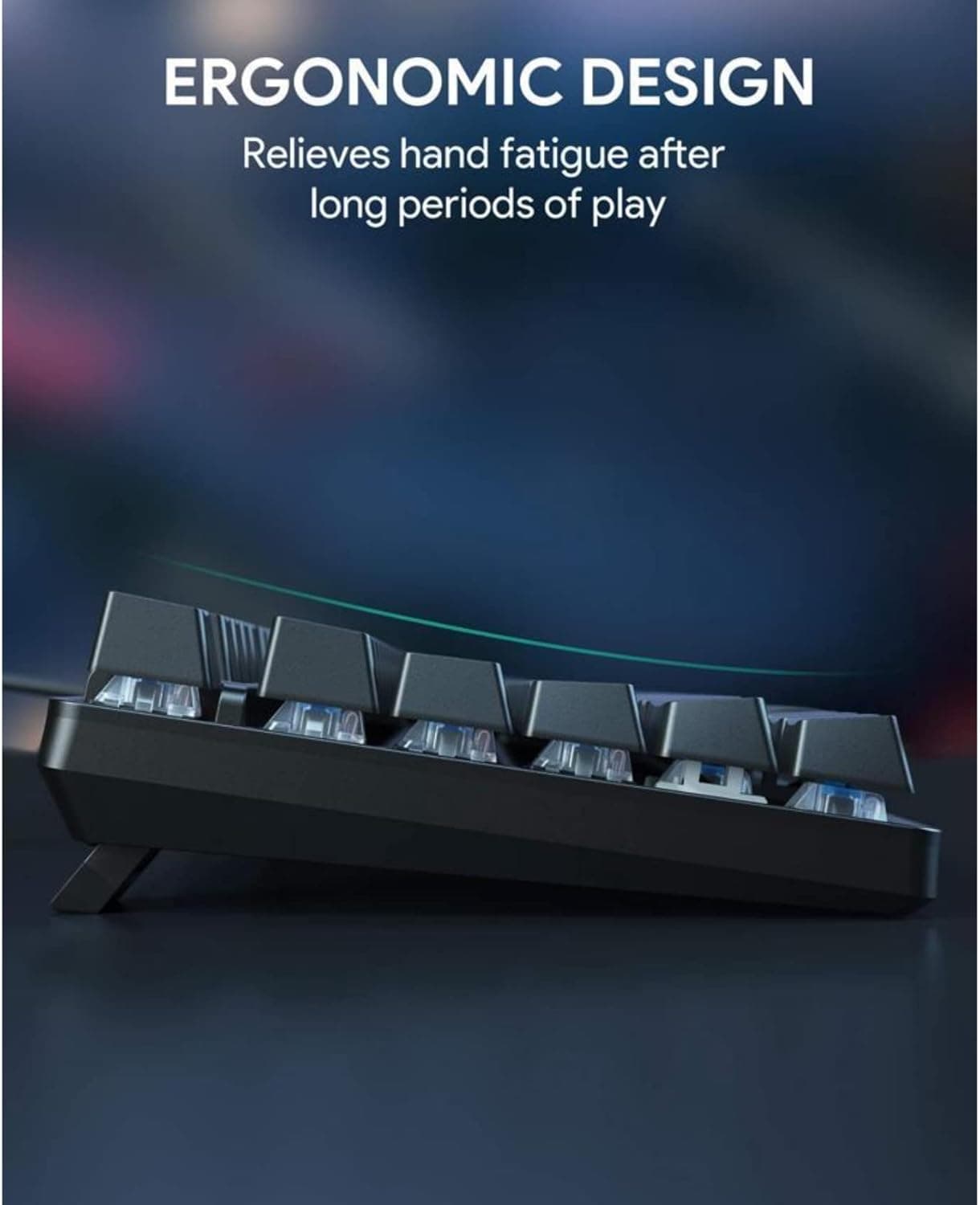
- Desk space and posture: Low‑profile keyboards reduce wrist angle and overall stack height on a laptop‑style desk; they’re easier to integrate into compact setups or tray mounts.
- Hot‑swappability: If you plan to experiment with switches, prioritize boards with true hot‑swap sockets; many recent low‑profile releases emphasize this.
- Keycap availability: Full‑height boards use standard stem heights that support the largest aftermarket keycap selection; low‑profile keycaps remain more limited, so factor that into customization plans.
- Durability and actuation tech: Magnetic and Hall‑Effect options reduce mechanical contact wear and can be appealing for heavy daily drivers or shared keyboards.
- Price and value: Engineering low‑profile plates and switch housings often adds cost, so expect premium pricing on the best low‑profile designs compared with entry full‑height models; however, modular features (hot‑swap, swappable plates) can improve long‑term value.
Practical tradeoffs and tips
- Choose low‑profile if you want a compact desk footprint, faster key return, or are building an esports/fast‑typing setup where shorter travel is an advantage. Low‑profile is also attractive if you need modern modular features, hot‑swappability and contactless switches, without sacrificing mechanical switch choices.
- Choose full‑height if you prioritize deep tactile feedback, a wider keycap ecosystem, acoustic tuning options, and the classic typing “thock.” Full‑height still gives the most headroom for customizing sound and feel with plates, case mods, and heavy keycaps.
Who should pick which
Final take The split between low‑profile and full‑height keyboards in 2026 is less about capability and more about priorities: choose low‑profile for compactness, speed, and modern switch tech (magnetic/Hall‑Effect and hot‑swappable options), or stick with full‑height for traditional travel, acoustic depth, and the broadest customization ecosystem. Recent product pushes from NuPhy, ASUS ROG, and MelGeek demonstrate that neither side is a strict compromise anymore, pick the travel and tactile signature that matches how you type and how your desk is set up, and you’ll get top‑tier performance either way.
This article was produced by Prism’s automated news system from verified source data, official records, and press releases, then run through automated quality and moderation checks before publishing. The system is built and supervised by the people who set the standards it runs under. Read our full AI policy.
Did this article answer your question?