PCWorld Tests $20 Newmen GM611 Mechanical Keyboard, Notes Real-World Tradeoffs
PCWorld contributor Dave Parrack bought a $20 Newmen GM611 to see if cheap mechanicals work - taller keys, 19 LED modes, noisy, but "pleased and have no regrets."

Dave Parrack put a $20 Newmen GM611 mechanical keyboard through a hands-on check to answer one blunt question: "Will a cheap $20 mechanical keyboard be enough for me?" Parrack framed the test as a practical experiment motivated by time spent at the keyboard and the hope that an inexpensive peripheral might "be an absolute game-changer that revolutionizes my productivity and makes me enjoy typing that much more."
The board he bought was the Newmen GM611, photographed in its box as "Newmen GM611 mechanical keyboard waiting in box - Dave Parrack / Foundry." Parrack paid $20 for the unit and found the feature set consistent with bargain positioning: the keyboard offers 19 different LED backlight effects and 5 brightness levels, and little else in the way of customization. "And since this is a cheap mechanical keyboard, the customization options are limited. It has 19 different LED backlight effects that I can cycle through, plus 5 brightness levels. But that’s all."
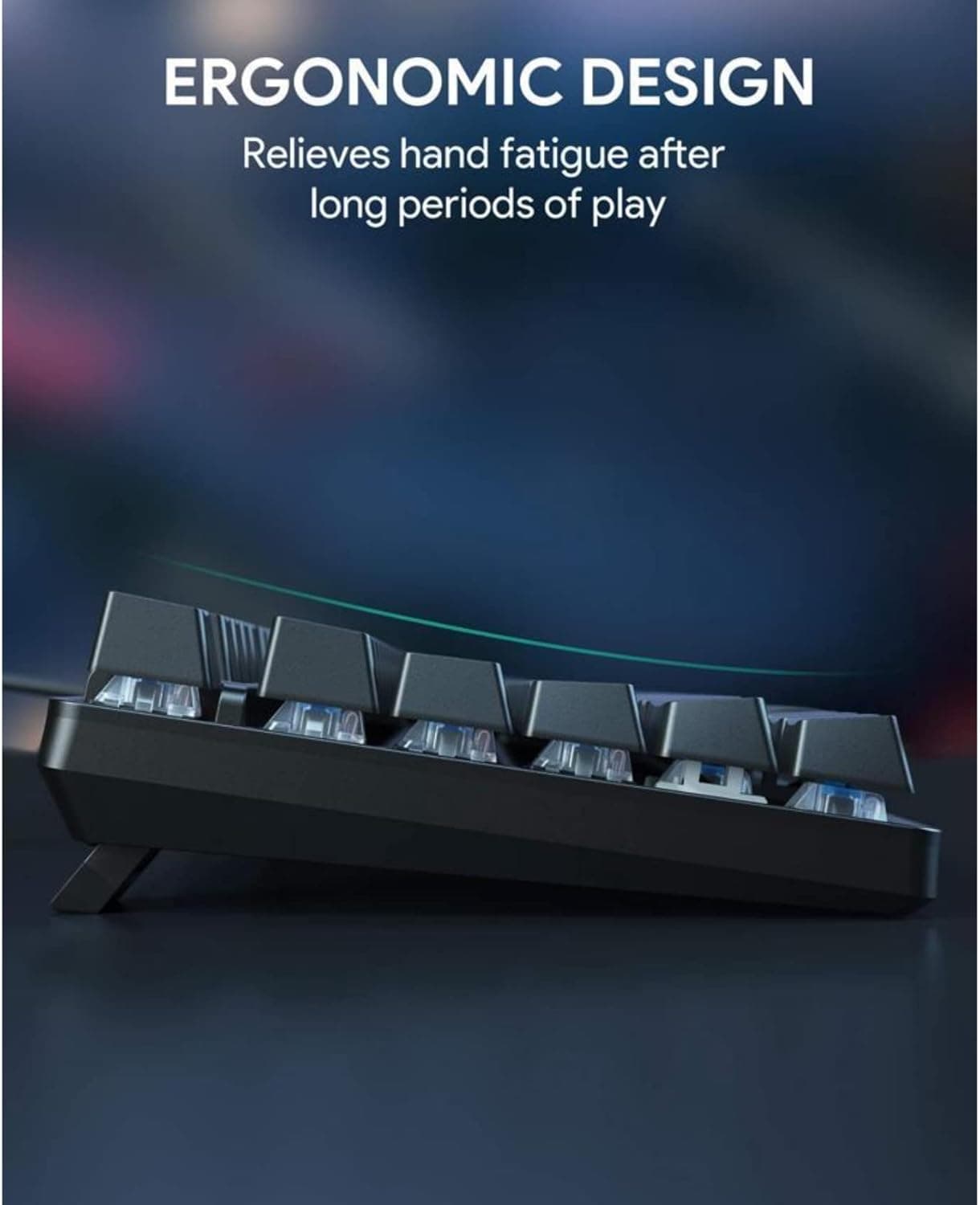
Physical feel and ergonomics were immediate tradeoffs. Parrack reports the keys are "taller and more spread out" than the low-profile layouts he normally uses, and he wrote "I also had to build new muscle memory because the keys were taller and more spread out than the typical low-profile layouts I’m used to." He was also "surprised how much pressure was needed to trigger each key," a comment that reflects subjective actuation feel rather than a measured force in grams. Noise arrived as another clear cost of admission: "It’s still going to take some time to get used to it, especially the noise."
Parrack contrasted the GM611 with his long-serving baseline keyboard, admitting he had been using "a bog-standard membrane keyboard since my Windows 7 days" and noting parenthetically, "We don’t recommend membrane keyboards, by the way." He also offered a market caution, framed as a general observation about low-cost gear: "Sure, those cheapies are mainly Chinese brands that cut corners and skimp on essential features and maybe even neglect some safety precautions…"

Despite the compromises, Parrack’s verdict leaned positive. He wrote that "given how cheap this keyboard was, I’m pleased and have no regrets. I won’t be getting rid of it." His plan is practical and immediate: to alternate between the Newmen GM611 and his old membrane keyboard "at least until that one dies," while he adapts to the tactile feel - "I do like the tactile typing. Maybe one day I’ll love it."
The test leaves clear follow-ups for anyone vetting a $20 keyboard: Parrack’s short hands-on notes do not include the Newmen GM611’s switch type, switch manufacturer, country of manufacture, safety certifications, seller or purchase channel, warranty details, keyboard size and layout, or objective measurements such as actuation force in grams and decibel readings for noise. For buyers weighing price against tradeoffs, Parrack’s $20 experiment shows the economic barrier to mechanical typing has fallen, but that real-world costs remain - taller keys, firmer actuation, limited customization, and audible noise.
This article was produced by Prism’s automated news system from verified source data, official records, and press releases, then run through automated quality and moderation checks before publishing. The system is built and supervised by the people who set the standards it runs under. Read our full AI policy.
Did this article answer your question?