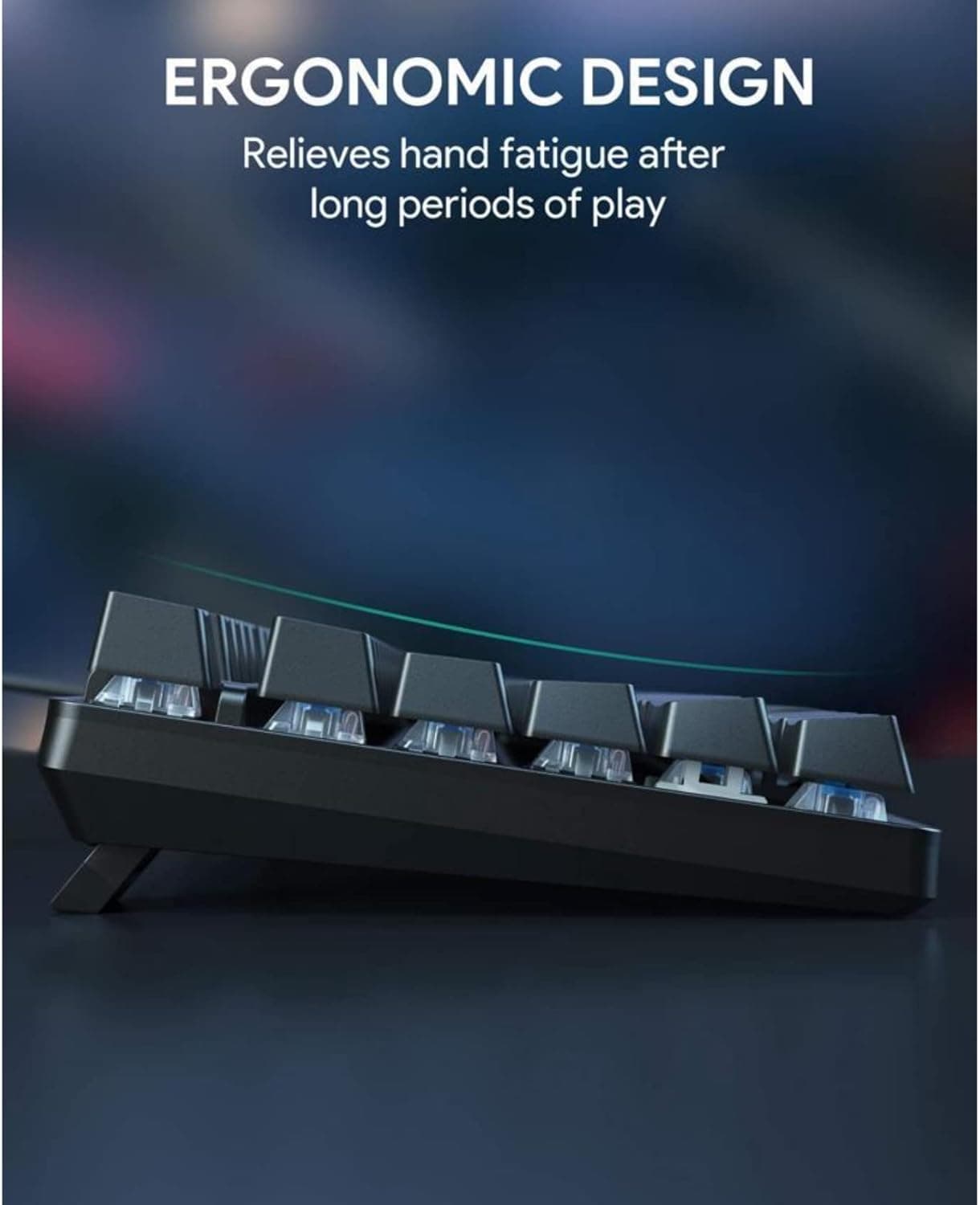
QPAD Flux 65 Model 5 Delivers Tunable Hall‑Effect Performance for Less
QPAD's Flux 65 Model 5 brings tunable Hall-effect switches and per-key actuation to a value 65% board, delivering a satisfying typing profile without a premium price.
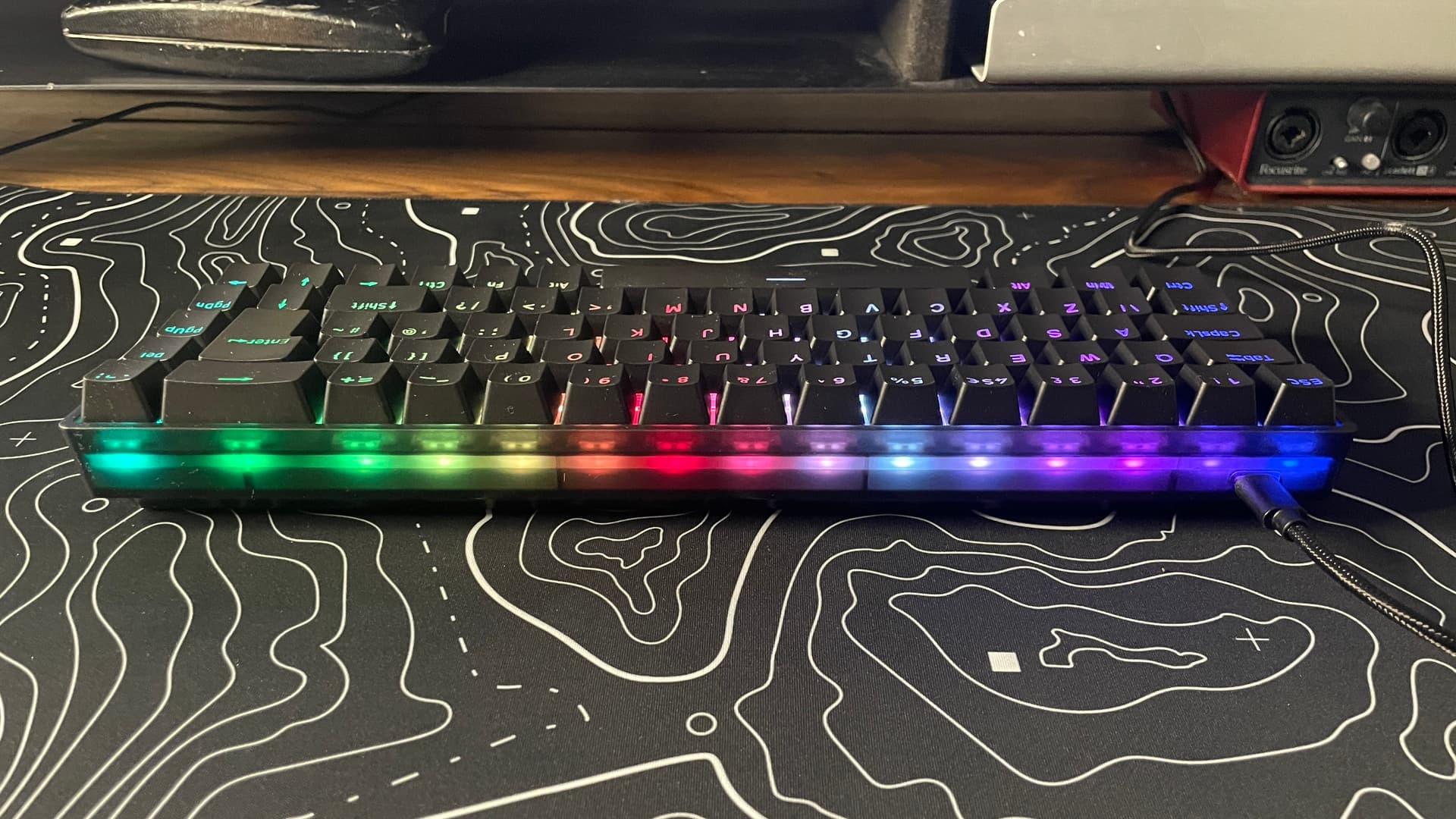
QPAD's Flux 65 Model 5 stakes a claim in the 65% market by pairing Gateron Hall-effect Dual Rail switches with fine-grain actuation controls and a package aimed at typists and competitive players who want Hall-effect performance for less. The package emphasizes tunability - rapid-trigger and per-key actuation options let users dial in trigger points in ways that rival pricier HE offerings.
Under the hood, the Flux 65 supports an up to 8,000 Hz polling rate and ships with a build weight around 720 g. The chassis is mostly plastic but is tuned to feel sturdy on the desk, and the stabilizers register as stable in use. Switches sit in hot-swappable sockets and QPAD outfits the board with double-shot PBT keycaps that resist shine and stay legible over time. The result is a satisfying sound profile that leans into a solid, tactile character without sounding hollow.
Configurable actuation is where the Model 5 stands out for the community. Rapid-trigger mode and per-key actuation allow low-latency inputs and customized actuation across the layout, which matters for players who blend typing and high-skill gaming. Those features pair with the high polling ceiling to make the board responsive in fast-paced sessions while still offering a nuanced typing experience for day-to-day use.
There are trade-offs. The Flux 65 is wired only, with no Bluetooth option, and configuration relies on local, non-web software rather than a cloud portal. Backlight diffusion is uneven on a few keys, which may bother builders who prioritize fully even RGB glow. Regional availability and pricing vary, so the board’s value proposition can shift by market.

For modders and builders, the Flux 65 Model 5 is a practical entry into Hall-effect territory: it brings the hallmark benefits of HE sensing - low jitter and consistent actuation behavior - without the premium usually associated with that switch family. Check regional pricing and availability before committing, and if possible test actuation settings in person to confirm the feel you want.
What this means for the community is straightforward: Hall-effect has become more accessible, and QPAD’s Model 5 demonstrates that tunable per-key actuation and solid build choices can arrive at a competitive price point. Expect more makers to push HE features into midrange boards, and weigh the wired-only design and local software requirements against the model’s tactile and performance strengths.
This article was produced by Prism’s automated news system from verified source data, official records, and press releases, then run through automated quality and moderation checks before publishing. The system is built and supervised by the people who set the standards it runs under. Read our full AI policy.
Did this article answer your question?