Report: Tri-mode and Magnetic Switches Drive Bluetooth Mechanical Keyboard Growth
Tri-mode wireless setups and magnetic-actuation switches are fueling faster sales and premium upgrades in Bluetooth mechanical keyboards, changing buying and build priorities.
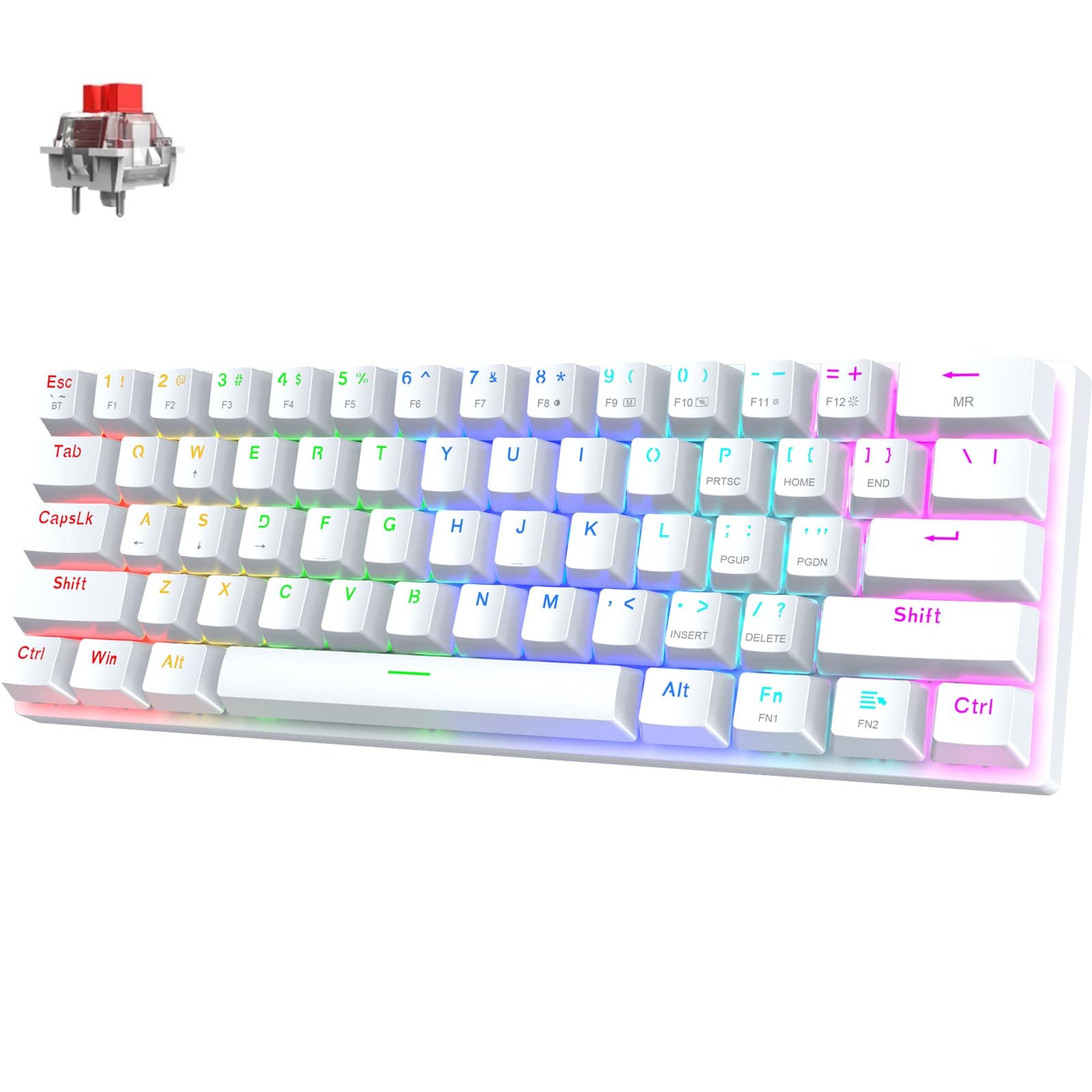
Tri-mode wireless designs and magnetic-actuation switches are emerging as the primary growth engines for Bluetooth mechanical keyboards, reshaping product lines and community expectations. A market forecast released by PerryHope Partners on January 15, 2026 finds that rising wireless adoption, low-latency radio designs, and the spread of Hall/TMR magnetic switches are driving demand from gamers and productivity users while hot-swappable customization continues to hold steady.
The report, titled “2026 Global: Bluetooth Mechanical Keyboard Market - Innovative Markets Forecast (2032),” models market size, regional volume and value forecasts, and competitive trends for Bluetooth-enabled mechanical keyboards from 2021 through 2032. It is presented as a paid consulting-style forecast with segmented projections and scenario modeling, offering manufacturers and vendors detailed outlooks on where investments and product development may pay off.
At the product level the executive summary highlights two clear shifts. First, tri-mode keyboards that combine Bluetooth, 2.4 GHz low-latency radio, and wired USB are increasingly common as makers try to reconcile multi-device convenience with competitive latency needs. That convergence matters for anyone balancing desktop use, mobile pairing, and gaming sessions where input lag matters. Second, magnetic-actuation switches using Hall or TMR sensing are gaining traction in the premium tier, carving out a high-end segment that emphasizes durability and a different feel profile from traditional mechanical switch designs.
For the community, the practical implications are immediate. Buyers should expect more boards offering true tri-mode flexibility, tighter low-latency profiles over 2.4 GHz, and an expanding selection of magnetic switch options at higher price points. Builders and small-run vendors will see the premium segment expand, which could increase aftermarket interest in magnetic switch kits and compatible PCBs. Meanwhile, the persistence of hot-swappable, customizable designs in the forecast reinforces that modding, keycap swaps, and switch experimentation remain central to the hobby’s appeal.

Regional breakdowns and detailed market sizing in the report give manufacturers playbooks for where to push different SKUs, although the forecast’s paid nature means those specifics are available through the consultancy’s deliverables. Competitive landscape analysis in the report also flags ongoing pressure to combine strong firmware support, stable multi-device pairing, and low-latency radio stacks to win discerning users.
What this story means for readers is straightforward: expect more tri-mode boards and magnetic-switch options to appear in the next few product cycles, with premium pricing and niche modding opportunities following. If you’re shopping, prioritize connection modes and latency needs; if you build or sell, plan for magnetic-actuation variants and maintain hot-swap support to keep ahead of demand.
This article was produced by Prism’s automated news system from verified source data, official records, and press releases, then run through automated quality and moderation checks before publishing. The system is built and supervised by the people who set the standards it runs under. Read our full AI policy.
Did this article answer your question?