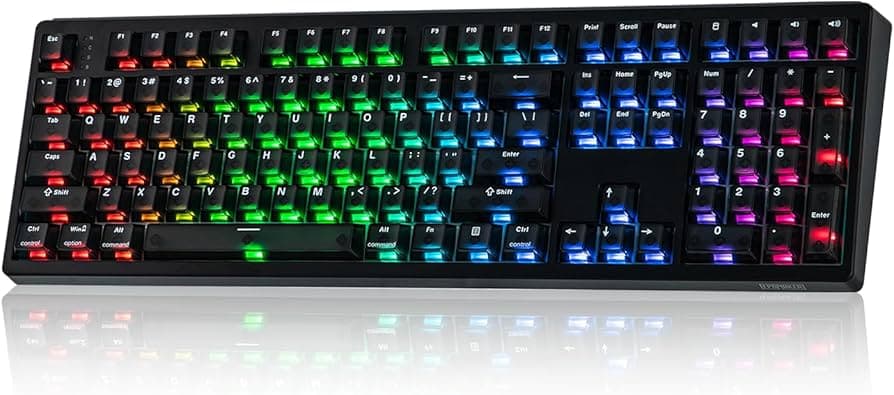
RTINGS updates test bench affecting magnetic and analog keyboard scores
RTINGS changed its keyboard test bench on Jan 6, 2026, altering keystroke and customizability measurements that can shift scores for Hall-effect and analog-capable keyboards.
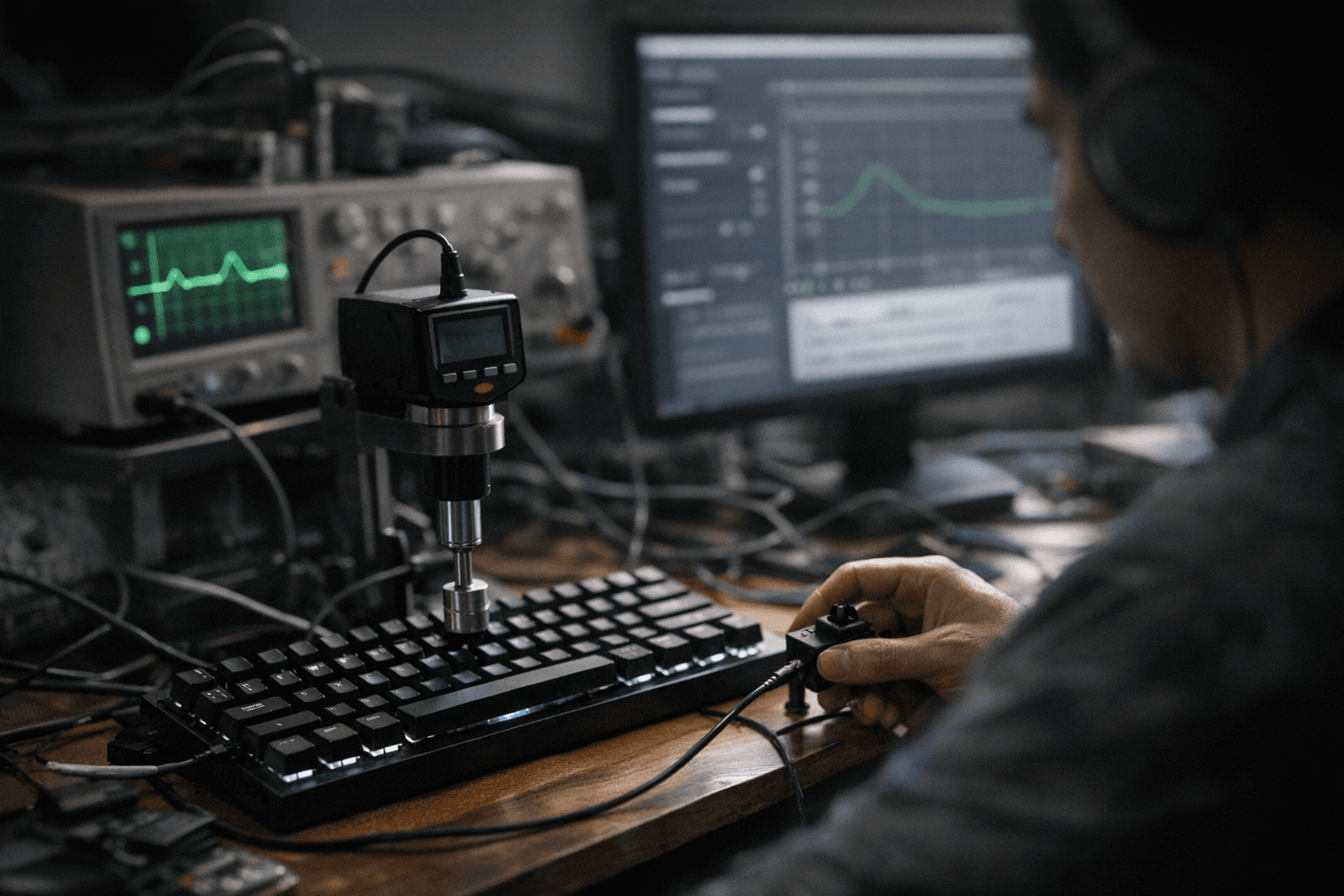
RTINGS rolled out a test-bench update on Jan 6, 2026 that changes how it measures and compares keyboards with magnetic, Hall-effect, TMR, and other advanced switch technologies. The change, listed as Test Bench v1.4.3 on the Wooting two HE review page, clarifies terminology, adds new keystroke measurements, and tightens the Hardware Customizability sections to explicitly address magnetic and mechanical switch compatibility.
This is not a minor copy edit. The new keystroke metrics and clarified language affect the way analog behavior and magnetic-switch performance are quantified, and the revision has been applied across RTINGS’ keyboard reviews. That means review scores and comparative rankings for analog-capable boards and Hall-effect models may shift when readers compare older results to updated pages.
Why this matters to buyers and builders: magnetic and TMR switches operate differently from traditional mechanical switches, and older test frameworks could under- or over-represent those differences. With keystroke measurements updated, reported metrics that influence perceived responsiveness, linearity, or analog depth can change. The Hardware Customizability refinements make it clearer which boards support magnetic-sensor modules or require specific plate and PCB configurations, information that affects modders and anyone shopping for hot-swap or upgradeable platforms.
If you’re in the market for a high-polling, analog, or magnetic-switch keyboard, treat review scores from before Jan 6, 2026 as potentially inconsistent with the current methodology. Re-check reviews of interest for the Test Bench v1.4.3 note, compare the updated keystroke numbers against vendor specifications, and take a closer look at the customizability section to confirm whether a board actually supports the magnetic or Hall-effect swapping you expect.
Community implications extend beyond buyers. Designers, small makers, and modders who track objective measurements for switch tuning, firmware behavior, and analog mapping will find the clarified terminology useful when discussing actuation and software calibration across platforms. It also gives reviewers and content creators a clearer baseline when testing novel switch tech.
The takeaway? Don’t trust a single score as gospel. Check for the Test Bench v1.4.3 marker, compare old and new figures, and prioritize hands-on testing or verified demos for magnetic and analog behavior. Our two cents? Use the updated measurements to refine your shortlist, then validate with a physical test or community feedback before dropping cash on a magnetic or analog-capable board.
This article was produced by Prism’s automated news system from verified source data, official records, and press releases, then run through automated quality and moderation checks before publishing. The system is built and supervised by the people who set the standards it runs under. Read our full AI policy.
Did this article answer your question?