Svalboard Modernizes the Classic Datahand Design With 50 Magnetic Switches
A 20+ year Datahand devotee has built Svalboard, a 50-switch magneto-optical fingertip keyboard claiming ~90% less hand fatigue than traditional boards.

When the Datahand company folded, its devoted users were left with aging hardware and no path forward. Svalboard is the answer one of those users built for themselves, and now for everyone else: a 50-magnetic-switch fingertip input device that modernizes the Datahand's core concept with full modularity, open pinouts, and a design philosophy borrowed from the Svalbard Global Seed Vault.
The creator's motivation is deeply personal. "As a Datahand user of 20+ years, I can safely say that Datahand saved my career. I've tried everything over the years, and there's simply no comparison. When the company died, I was gutted. When one of my precious Datahand units got damaged during travel, I got serious about building a replacement." That replacement eventually became Svalboard, but not before a detour through Ben Gruver's lalboard project, which the creator built themselves with Gruver's help. Lalboard established the foundational key mechanisms, but as the creator notes, "it was not a production-oriented design." Drawing on a background in high-volume consumer electronics and input tech development, they committed to turning that foundation into something shippable.
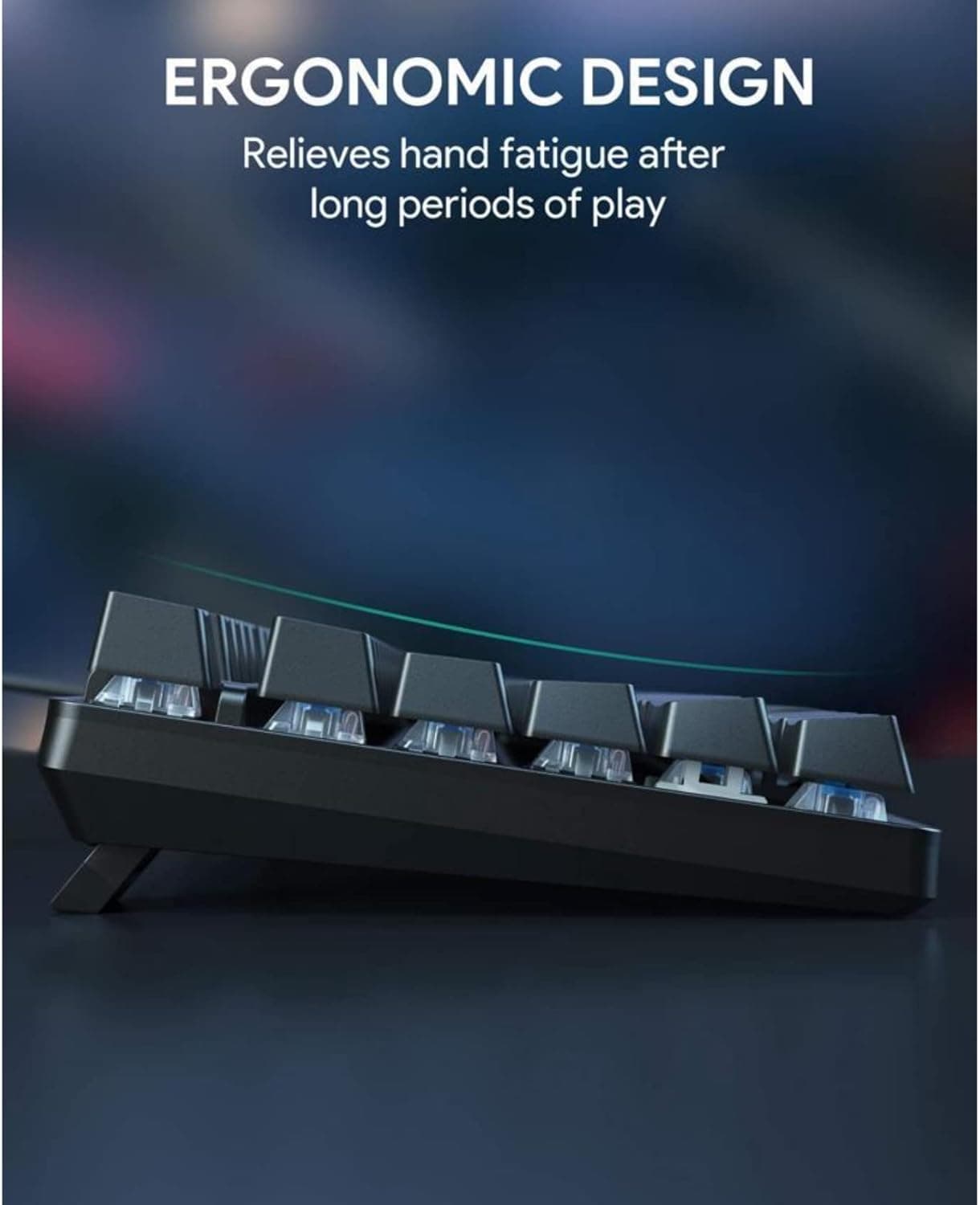
The switch technology is one of Svalboard's most distinctive departures from anything currently on the market. The 20 gf magneto-optical keys carry a 100% front-loaded force profile with what the project describes as "a clean breakaway unlike anything else on the market." Fingers travel only a few millimeters per keypress, there are no springs to tune or switches to lube, and no electromechanical contacts to degrade over time. Svalboard claims this translates to roughly 90% less hand workload and fatigue compared to traditional keyboards, including ergonomic ones.
Repairability sits at the center of the design ethos. All mechanical parts can be produced on a hobby-grade 3D printer, via SLA resin, or CNC'd from any material. All electrical pinouts are published for anyone who wants to modify the hardware further. Unlike the original Datahand, Svalboard is fully modular, meaning individual sections can be swapped out for repairs or upgrades rather than hunting down a working used unit on eBay. Keys pull off easily for cleaning, and the project frames its entire approach "in the spirit of the Svalbard Global Seed Vault": a living design that can always be repaired, updated, and modified by the people who own it.
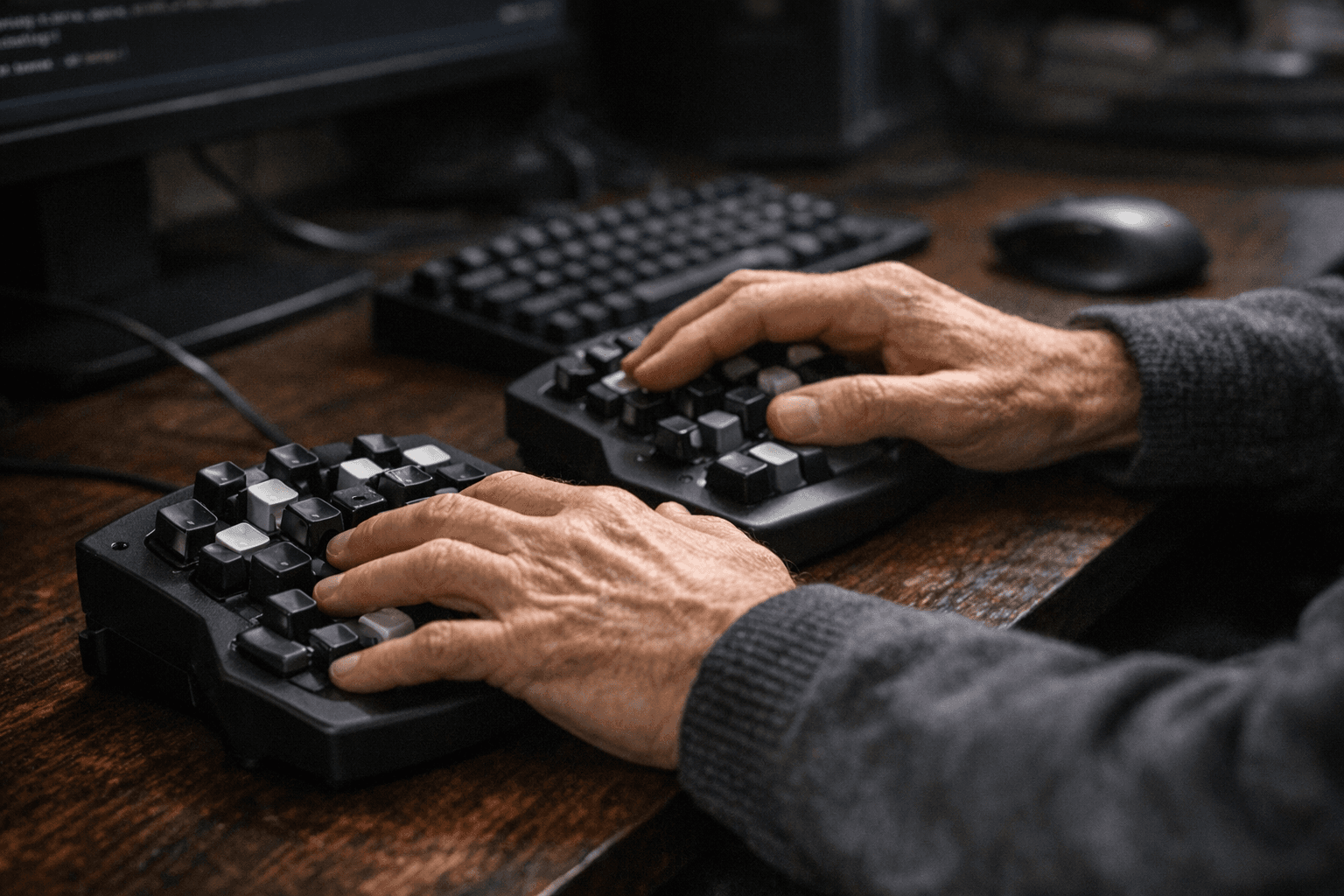
On the software side, Svalboard runs on QMK with default QWERTY, Colemak, and Dvorak layouts included. Vial support means layers, macros, combos, and tap-dance functions are all remappable without reflashing firmware. For a device aimed at users who have already gone deep on alternative input, that level of configurability is table stakes, and Svalboard delivers it through one of the most battle-tested firmware ecosystems in the hobby.
Pricing and a precise availability timeline have not been announced. A Discord community is active for those tracking development, and a purchase option is listed on the project's site.
This article was produced by Prism’s automated news system from verified source data, official records, and press releases, then run through automated quality and moderation checks before publishing. The system is built and supervised by the people who set the standards it runs under. Read our full AI policy.
Did this article answer your question?