Tekkusai launches Titan75 HE, 75% hall-effect keyboard for competitive gaming
Tekkusai’s Titan75 HE pairs a 75% hall-effect layout with a custom web driver, 0.01 mm tuning and 8,000 Hz polling, aiming past the usual spec-sheet arms race.
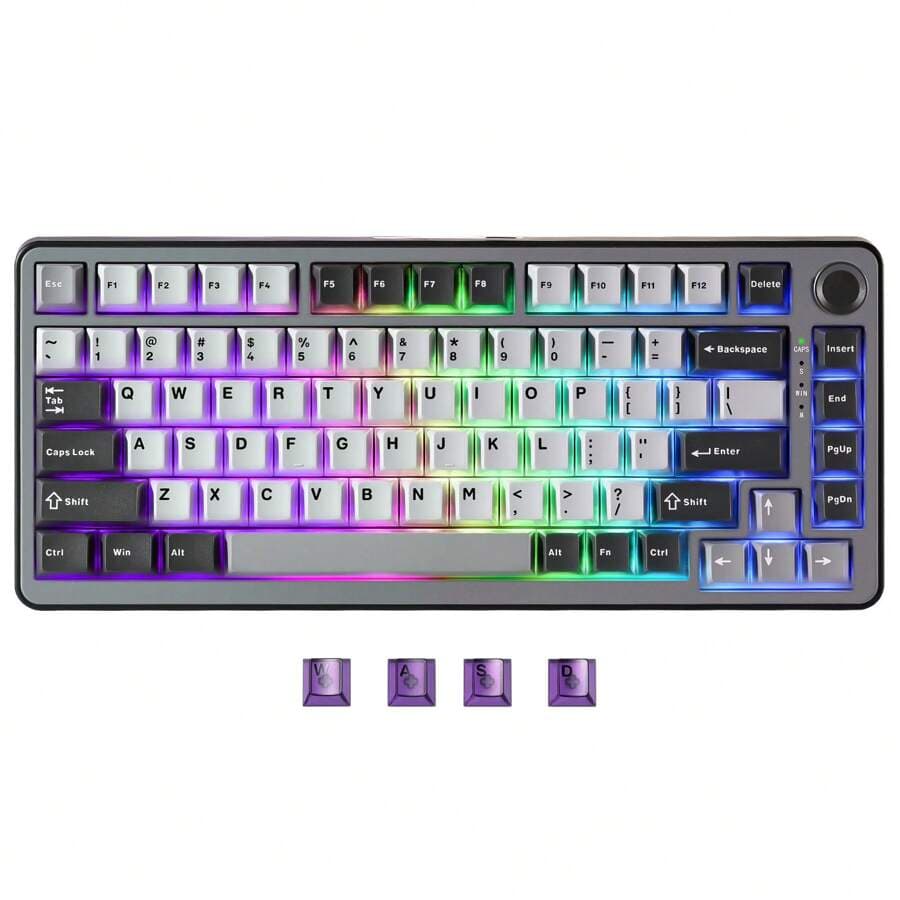
Tekkusai is trying to do more than add another Hall-effect board to the pile. The Titan75 HE, a 75% collaboration with Luminkey, pairs a custom web driver with the kind of tuning knobs competitive players have been chasing: per-key actuation down to 0.01 mm, Rapid Trigger, SOCD clearing and 8,000 Hz polling. Luminkey lists the board at $199 and marks it as a limited run of 50 units, with arrival set for Apr. 15.
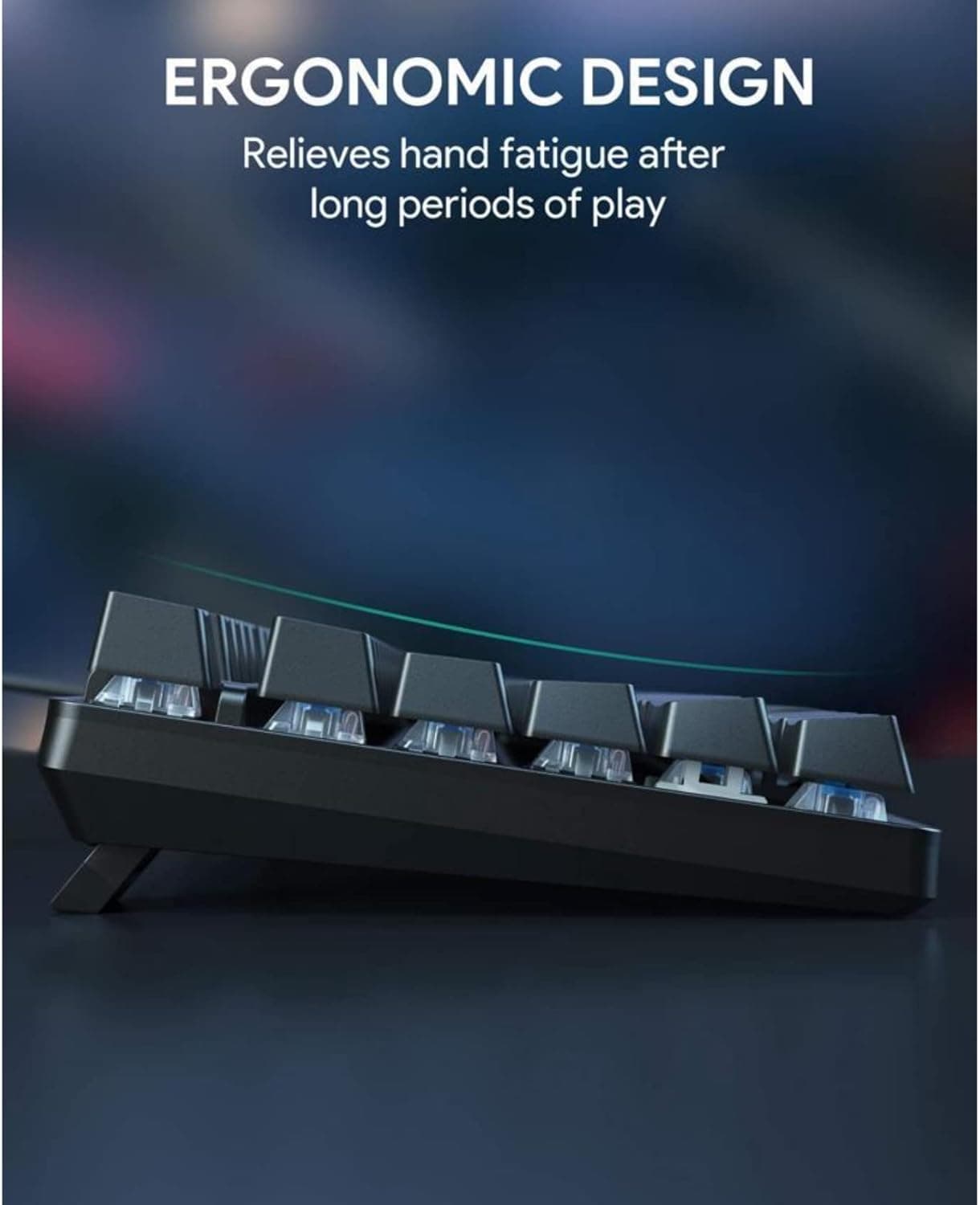
The hardware reads like a premium daily driver as much as a tournament board. Luminkey’s listing calls out hot-swappable Hall-effect switches, a CNC 6063 aluminum case, PBT keycaps, wired USB-C connectivity, a gasket-mounted structure and FR4 plate plus Poron foam layers to shape the sound. MaxGaming’s listings go a step further, describing custom Titan HE switches developed with Gateron, which gives the project a little more identity than the usual anonymous magnetic switch package.
That software story may be the real differentiator. Hall-effect keyboards already promise adjustable actuation, contactless sensing and fast reset behavior, and the Titan75 HE enters a field where those claims are everywhere. Boards like GamaKay’s TK75HE V2, along with a growing crop of HE releases from brands such as Attack Shark, Mchose and Epomaker, all sell the same basic dream: lower latency, faster resets and more control over each key. Tekkusai’s pitch is that the web driver turns those features into something easier to use, not just easier to brag about.
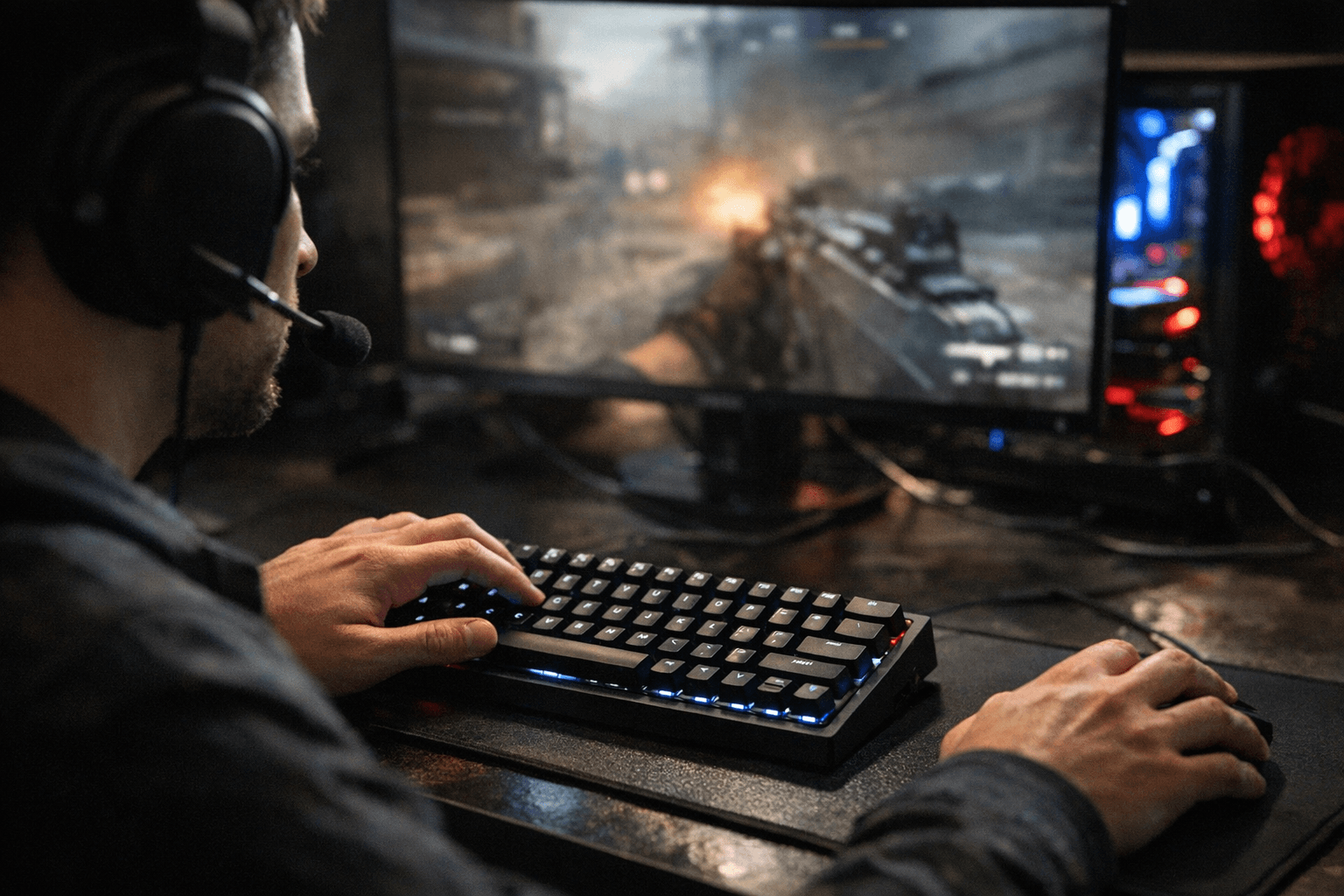
The 8,000 Hz number will grab attention, but it is only part of the story. At that polling rate, the keyboard reports about every 0.125 ms on paper, compared with 1 ms at 1,000 Hz. In practice, scan rate, firmware, the game engine and the rest of the setup still decide how much of that theoretical edge reaches the screen. That is why 8K is notable without being magical, and why many competitive players still run 1,000 Hz boards without feeling shortchanged.
Early hands-on videos from PapaCharlieGames, AimAdapt and Migss suggest the Titan75 HE lands where the marketing says it should, with strong build quality, a premium stock sound profile and the crisp Rapid Trigger behavior HE fans want. The harder test is whether a newcomer can challenge the established names on software usability, not just specs. On that front, Tekkusai at least looks like it came to compete, not simply to repeat the formula.
This article was produced by Prism’s automated news system from verified source data, official records, and press releases, then run through automated quality and moderation checks before publishing. The system is built and supervised by the people who set the standards it runs under. Read our full AI policy.
Did this article answer your question?