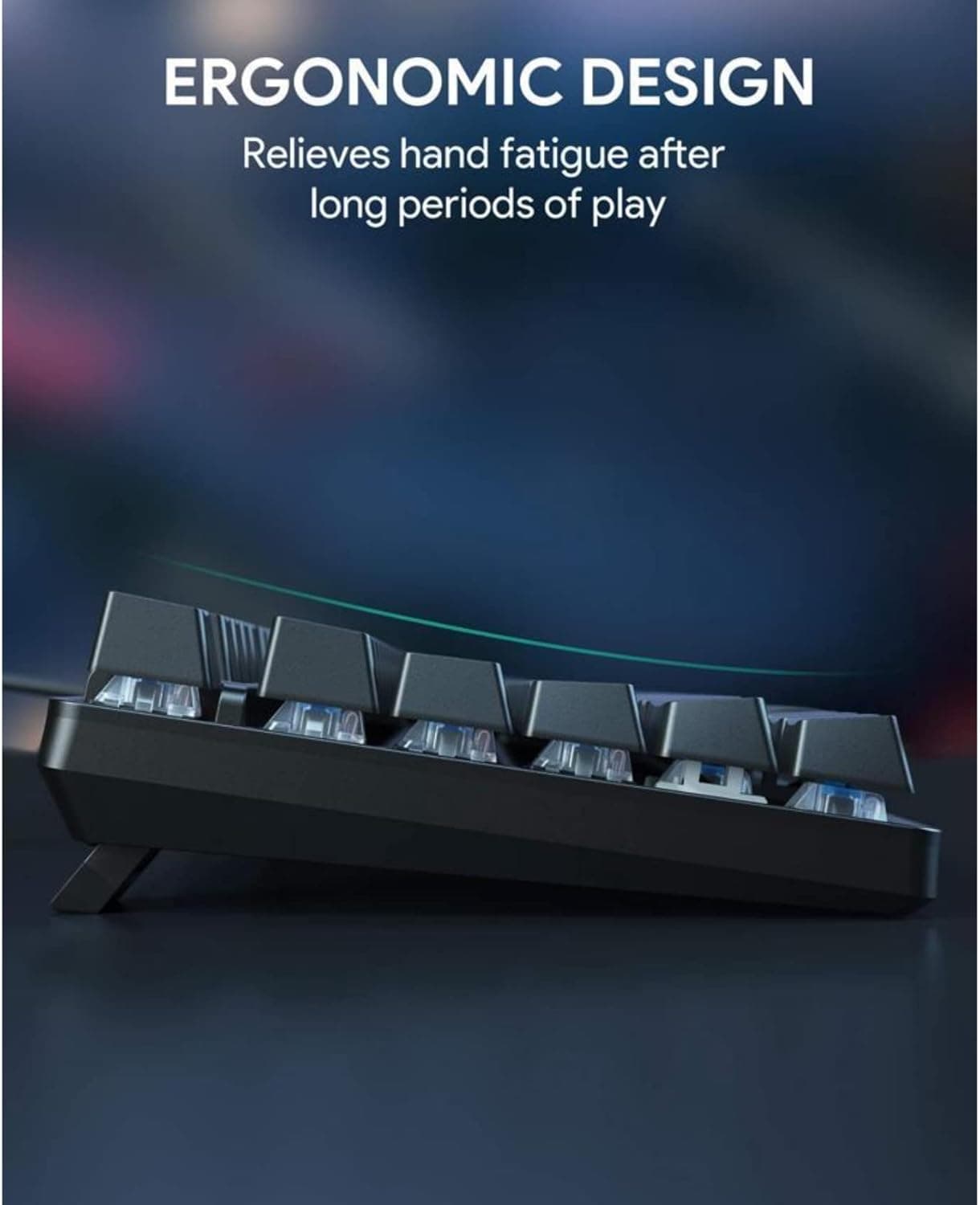
Unionwell Brings Hall-Effect Polar Magnetic Switches to SMKX 2026 Expo
Unionwell's Polar switches offer 0.014mm actuation precision across a fully adjustable 0-3.5mm range, making the HE case at Seoul's SMKX expo harder to dismiss.

Unionwell's Polar Magnetic series arrived at the ZFX × SMKX 2026 expo in Seoul on March 28 with the kind of spec sheet that demands attention in a Hall-effect market that's already crowded: 0.014mm actuation-point granularity across a fully configurable 0 to 3.5mm range on a switch rated for 100 million presses.
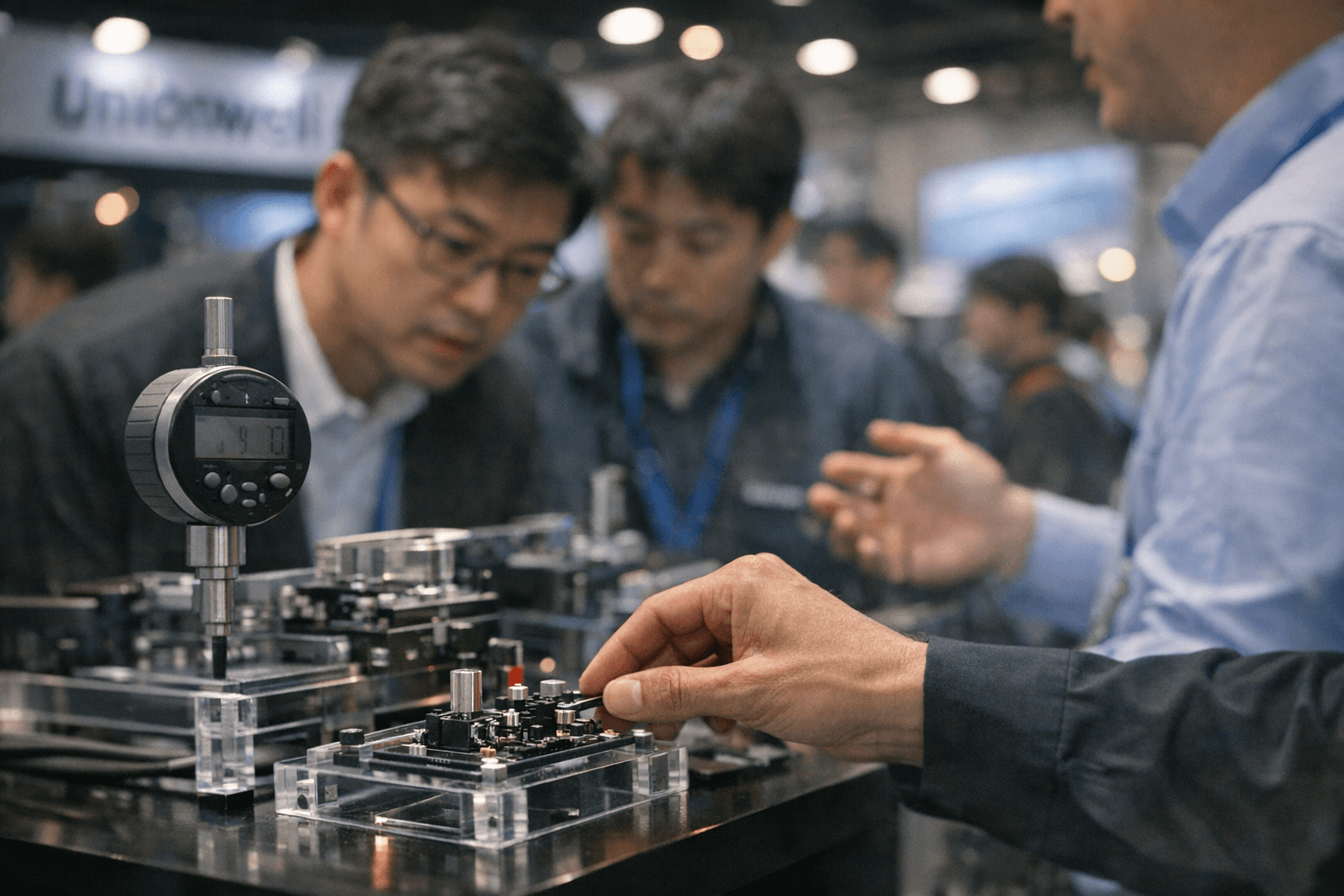
The company ran demo units from booth F01, letting attendees evaluate feel and sound in person against whatever was already in their daily drivers. The floor focus was the broader Polar GT06 family, a line that spans multiple variants including the Pro, Pro+, RGB, Crystal Blade, Ink Jade, and Primordial Unity. Unionwell, whose Polar line ships through Greetech's manufacturing infrastructure, used the event to push a clear message around OEM and commercial partnership interest, not just enthusiast sampler sales.
Where the Polar line tries to separate itself from the Gaterons and Kailhs already filling HE group buy slots comes down to three design decisions. The first is magnet grade: the Polar series uses N52 neodymium material, the highest commercial grade, rather than the N35 or N40 magnets found in budget HE options. On the Pro+ variant, the magnet sits as a physically separate, removable component independent of the stem, a construction choice that simplifies replacements and reduces the tolerance creep that can quietly degrade actuation consistency over a switch's lifetime.
The second differentiator is stem stability. Newer Polar variants incorporate an anti-offset stabilization structure aimed directly at the racking and wobble that dogged first-generation HE stems. The Primordial Unity variant adds a ball-and-socket joint split structure for a truer travel path on each press. The third is that 0.014mm precision figure: for rapid trigger users, the granularity of reset-point configuration is the actual competitive variable, and sub-0.02mm resolution puts Polar in a position to claim a meaningful edge over HE switches that advertise adjustability without specifying how fine that adjustment really is.
For RGB builds, the Crystal Blade variant uses fully transparent PC housing with an initial PCB flux reading of 480±60Gs, specifically designed to pass LED light cleanly without the diffusion penalty that opaque POM bodies introduce. The Pro and Pro+ variants stay all-POM throughout, which is the right call for builders chasing a dampened, thocky sound profile over lighting output.
The practical availability picture is better than many SMKX reveals. Polar switches are already stocked at specialist vendors, and Unionwell's event messaging was weighted heavily toward OEM channels and board partnerships, suggesting prebuilt and kit boards carrying the Polar line are well within the next 12-month window. The compatibility caveat stands firm regardless: these require HE-capable PCBs with onboard magnetic sensors. Dropping a Polar switch into a standard MX board does nothing, and firmware with configurable actuation and rapid trigger support needs to be built into the board's MCU, which rules out budget prebuilts regardless of switch socket type.
The floor time at SMKX mattered precisely because Hall-effect switches are at the stage where paper specs no longer do the persuading. Experienced typists comparing debounce behavior and sound profile side-by-side with switches they already own is the more useful test, and Unionwell's decision to center working demos rather than renders at booth F01 reflects a manufacturer that knows the enthusiast community well enough to let the hardware make the argument.
This article was produced by Prism’s automated news system from verified source data, official records, and press releases, then run through automated quality and moderation checks before publishing. The system is built and supervised by the people who set the standards it runs under. Read our full AI policy.
Did this article answer your question?