DragonOS demo shows passive Meshtastic sniffer decoding and decrypting traffic
A DragonOS Noble demo showed meshtastic-sniffer passively watching Meshtastic traffic, and, with keys, recovering messages, GPS and telemetry.
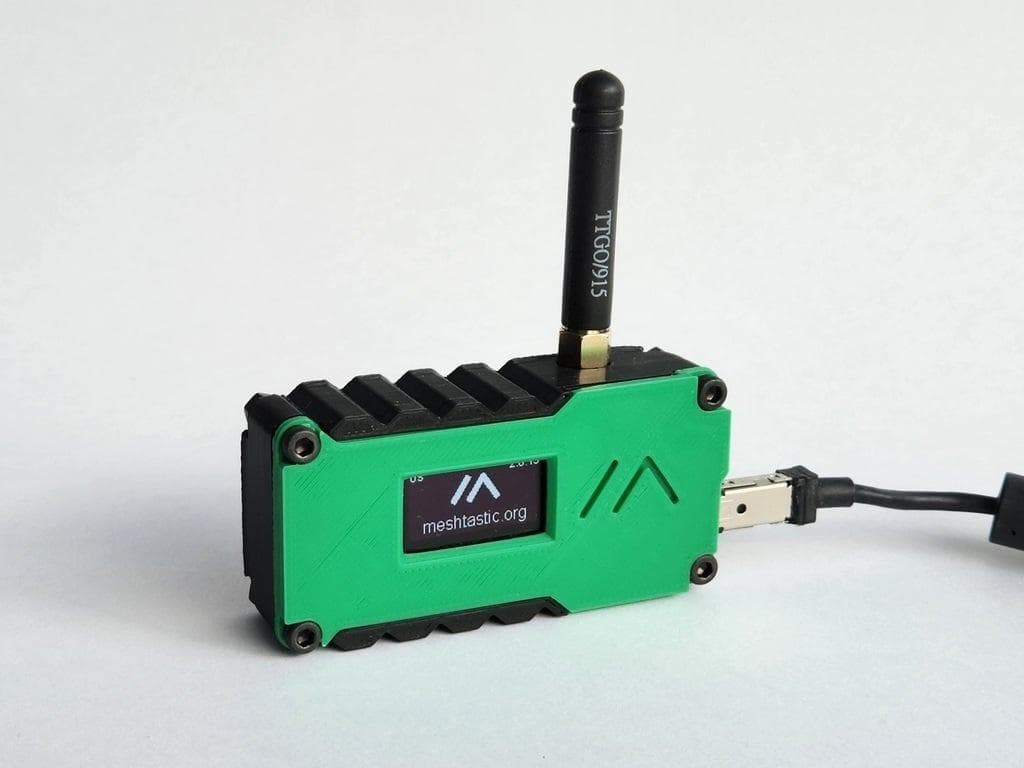
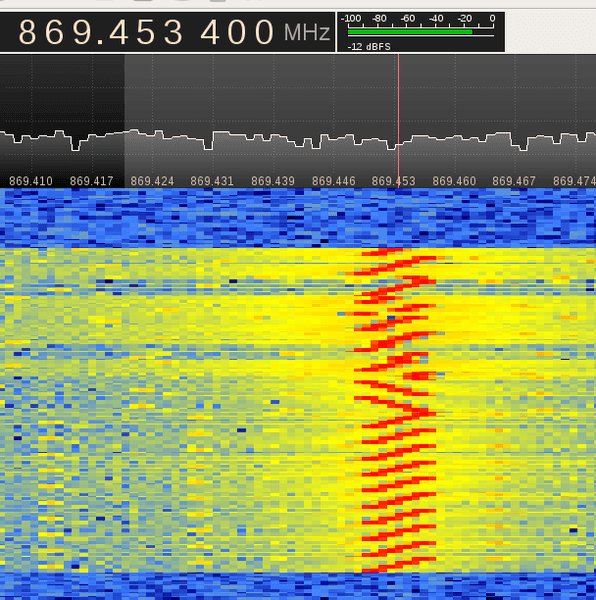
DragonOS Noble put a sharp security point on Meshtastic on June 4: a HackRF and meshtastic-sniffer were enough to passively watch traffic, and in the right setup, decode and decrypt it without joining the mesh. The video, framed as a fresh return to the project, matters because it shows how quickly a radio footprint can become observable once someone is listening the right way on DragonOS, the out-of-the-box Lubuntu-based SDR operating system for x86_64 users.
The sniffer itself is built for that job. Its README describes meshtastic-sniffer as a passive Meshtastic LoRa receiver written in C that runs two decode paths in parallel, a wideband channelizer and a focused decoder pool that wakes up on preamble detections. On a B205mini at 26 Msps, the project says it can cover the full US 902-928 MHz band with every channel decoded at once. It also pushes operator-facing output in JSON, MQTT, ZMQ, CoT, pcap and a web dashboard, while supporting HackRF, BladeRF, USRP, SDRplay, Airspy, RTL-SDR, SoapySDR devices, VITA-49 and VRT over UDP, and IQ file replay.
For operators, that is the warning sign. With keys supplied, meshtastic-sniffer says it can decrypt text messages, GPS positions, NodeInfo, telemetry, routing packets and ATAK PLI traffic. Meshtastic’s own documentation says LoRa payloads use AES256-CTR, but packet headers stay unencrypted so nodes can relay traffic they cannot read. The default primary channel key is the known key “AQ==” unless users change it, and direct messages use public-key cryptography. Meshtastic also warns that it lacks perfect forward secrecy, which makes “harvest now, decrypt later” a real risk if a channel key is exposed later. In a network that now lists 100-plus community-supported devices, more than 1,800 code contributors worldwide, 26 LoRa regions and 39 languages, that is not a narrow edge case.
DragonOS and WarDragon have shown Meshtastic decoding before, including a June 10, 2024 demo with RTL-SDR and GNU Radio. The June 2026 video pushes the same lesson further: passive monitoring is no longer theoretical, and the traffic that feels local and private on a mesh can be collected, indexed and replayed if channel discipline slips.
This article was produced by Prism’s automated news system from verified source data, official records, and press releases, then run through automated quality and moderation checks before publishing. The system is built and supervised by the people who set the standards it runs under. Read our full AI policy.
Know something we missed? Have a correction or additional information?
Submit a Tip