Meshtastic antenna tuning guide promises big range gains for little cost
A tuned antenna can beat a pricier radio upgrade, and Meshtastic’s own range records show how a few dollars of wire can change everything.
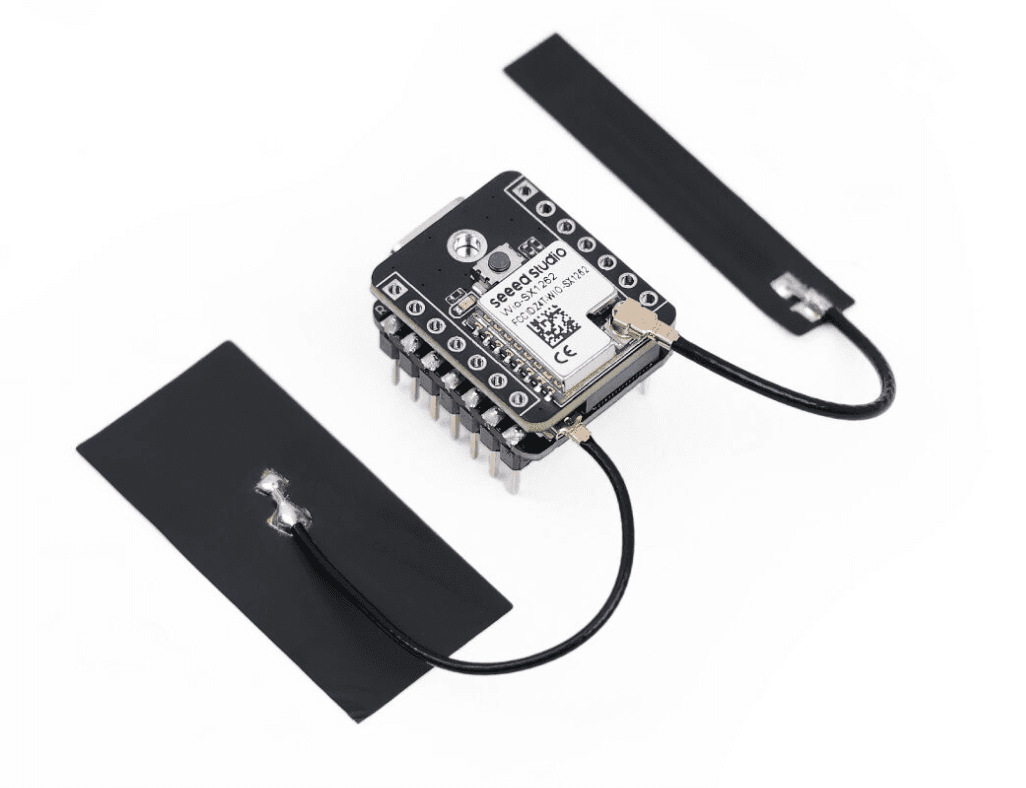
The cheapest Meshtastic upgrade is often not a new board at all. A properly tuned antenna can do more for range, reliability, and how often your node stays visible in the mesh than a pricier hardware swap, especially when the stock whip was never matched to the band you are actually using.
Start with the antenna, not the shopping cart
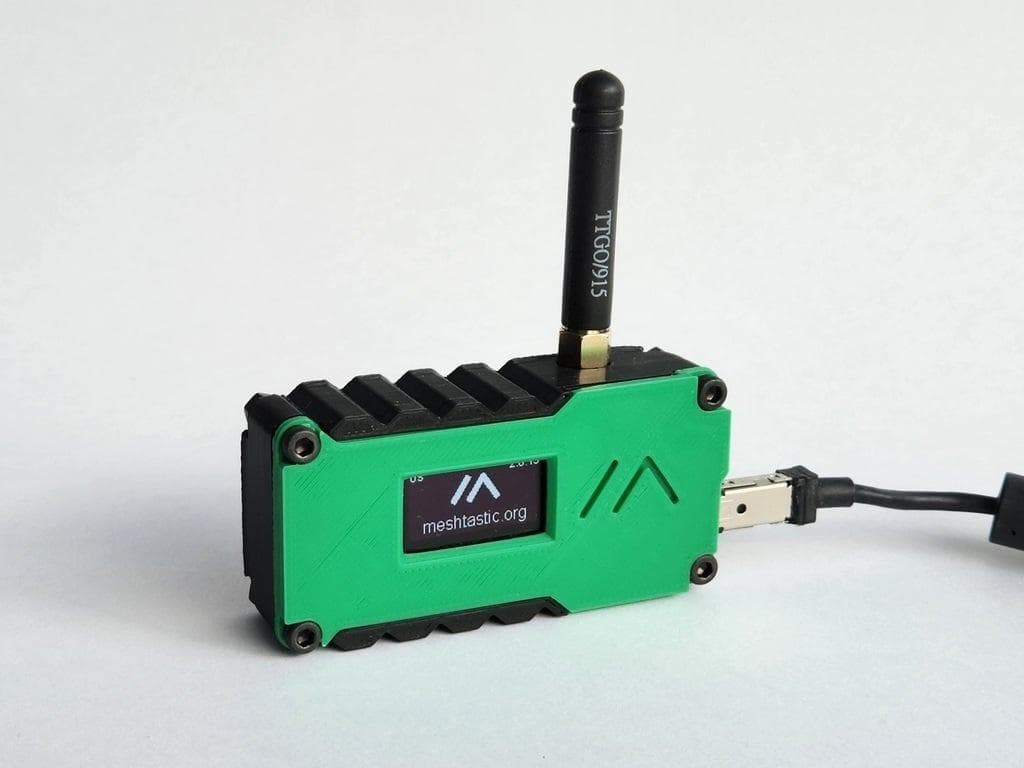
Meshtastic’s own antenna guide makes the case bluntly: the stock antennas that ship with boards like the T-Beam often come from “mixed bags,” and they may not be designed or tuned for the frequency range you want. That matters because antenna design affects efficiency, range, and radiation pattern, which is Meshtastic-speak for how much of your power actually turns into useful RF instead of waste.
That is why antenna work has become a first-step habit in the community rather than a niche obsession. Meshtastic now keeps a dedicated antenna-testing section and a community antenna-reports repository, which is a strong signal that this is no longer just bench-top tinkering. It is part of the build.
Pick the band first, then build to it
The most common mistake is treating every LoRa antenna like a universal accessory. It is not. In North America, Meshtastic points users to the 915 MHz ISM band, specifically 902 to 928 MHz. In Europe, 868 MHz is the most popular band for Meshtastic, and Meshtastic’s radio settings documentation also notes a maximum power allowance of +10 dBm ERP there. The project also supports 433 MHz in the narrower 433 to 434 MHz range.
That band difference is not a footnote. The same antenna cannot simply be moved from one region to another and expected to behave the same way, and in the wrong place it can drag performance down or create regulatory trouble. Meshtastic’s hardware notes also make clear that the LongFast preset is band-aware, with 104 frequency slots in the North American 915 MHz region, which is one more reason to stop thinking of antenna choice as generic.
A practical tuning pass starts with the band you actually live in: 1. Confirm whether your node is built for 902 to 928 MHz, 868 MHz, or 433 to 434 MHz. 2. Choose an antenna geometry that matches that band, whether that is a quarter-wave ground plane, dipole, sleeve-balun variant, J-pole, or directional Yagi. 3. Trim, test, and only then decide whether the problem is the antenna or the radio.
Why a few dollars of wire can beat a stock whip
The headline number in the Meshtastic antenna guide is hard to ignore: a well-built DIY antenna can outperform a commercial stock antenna by 6 to 10 dB. That is not a cosmetic gain. It is the kind of difference that turns a node from fragile to dependable, especially in marginal terrain, on a hill, or in a cluttered neighborhood where every little bit of link budget matters.
The physics behind that is simple enough to be useful. At UHF frequencies, size matters. Resonant length and SWR have a direct effect on how well your antenna presents itself to the radio, and a poor match can waste power or, over time, stress the radio front end. Meshtastic’s antenna-testing page leans into that reality by treating evaluation as a spectrum, from simple message-by-message field tests all the way up to expensive chamber measurements, while also noting that cheaper methods can still produce a reasonable result.
That is where the project’s antenna resources become especially valuable. Meshtastic points builders to tools like a 1/4-wave ground-plane calculator, a 915 MHz antenna schematic PDF, and NEC-based antenna modelers. The message is clear: do not trust the sticker on the package when you can validate the design yourself.
The builds that keep showing up in the field
Different antenna styles serve different jobs, and the Meshtastic community has records that prove the point. A quarter-wave ground plane can be a brutally effective low-cost option. A dipole or sleeve-balun variant is often the next clean step up when you want a little more control over the pattern. A J-pole can be attractive when you want a compact vertical solution, while a directional Yagi makes sense when you want to push a signal toward a specific relay or distant node instead of lighting up every direction.
The range-test page gives those choices real weight. Meshtastic documents a 254 km ground record using a 915 MHz setup with a 5.8 dBi outdoor antenna. It also records a 166 km ground result using a standard 915 MHz 2 dBi omnidirectional antenna, and a 331 km ground record at 868 MHz using a 55 cm collinear antenna. Those numbers do not mean every build will magically turn into a long-range champ, but they do show that antenna quality and gain are central to the project’s best real-world results.
Just as important, the records underline a practical truth: sometimes the node that wins is not the one with the fanciest radio, it is the one with the better antenna and the cleaner placement.
Do the RF homework before you buy another board
This is where antenna tuning often delivers more value than upgrading to a different module. Meshtastic’s current hardware ecosystem includes 915-capable gear from LILYGO, RAK Wireless, Seeed Studio, and IMST GmbH, but the docs still stress that bundled antennas can be inconsistent or poorly matched. If your mesh is weak, the first fix may be at the end of the coax, not in the firmware menu.
The regulatory side matters too. The Federal Communications Commission says U.S. spectrum allocation is split between the FCC and NTIA, and the FCC’s Table of Frequency Allocations is the legal reference for U.S. assignments. That is the backdrop for why 915 MHz builders in the United States need to stay inside the correct 902 to 928 MHz allocation instead of treating antenna parts as interchangeable across every band. LoRa Alliance module pages for the U.S. market also describe some 915 MHz hardware as operating in the unlicensed 915 MHz band and note FCC modular approval for certain products, which reinforces how closely antenna behavior, band choice, and compliance are tied together.
Meshtastic’s antenna reports repository, which began as a RicInNewMexico project before being officially transferred to Meshtastic, shows how seriously the community takes that reality. People are not just swapping parts and hoping. They are measuring, comparing, and building with intent.
The cheapest win in Meshtastic is still the one people overlook first: a tuned antenna, matched to the band, placed with care. Before you buy another radio, the most expensive-looking problem in the mesh may still be solved by the little bit of wire already at the edge of your setup.
This article was produced by Prism’s automated news system from verified source data, official records, and press releases, then run through automated quality and moderation checks before publishing. The system is built and supervised by the people who set the standards it runs under. Read our full AI policy.
Know something we missed? Have a correction or additional information?
Submit a Tip