New sniffer tool raises privacy risks for Meshtastic mesh radios
A passive LoRa sniffer can map Meshtastic traffic, positions, and identities. If your nodes share location or rebroadcast openly, your mesh may already be exposed.
What changed is not the mesh, but the ease of watching it
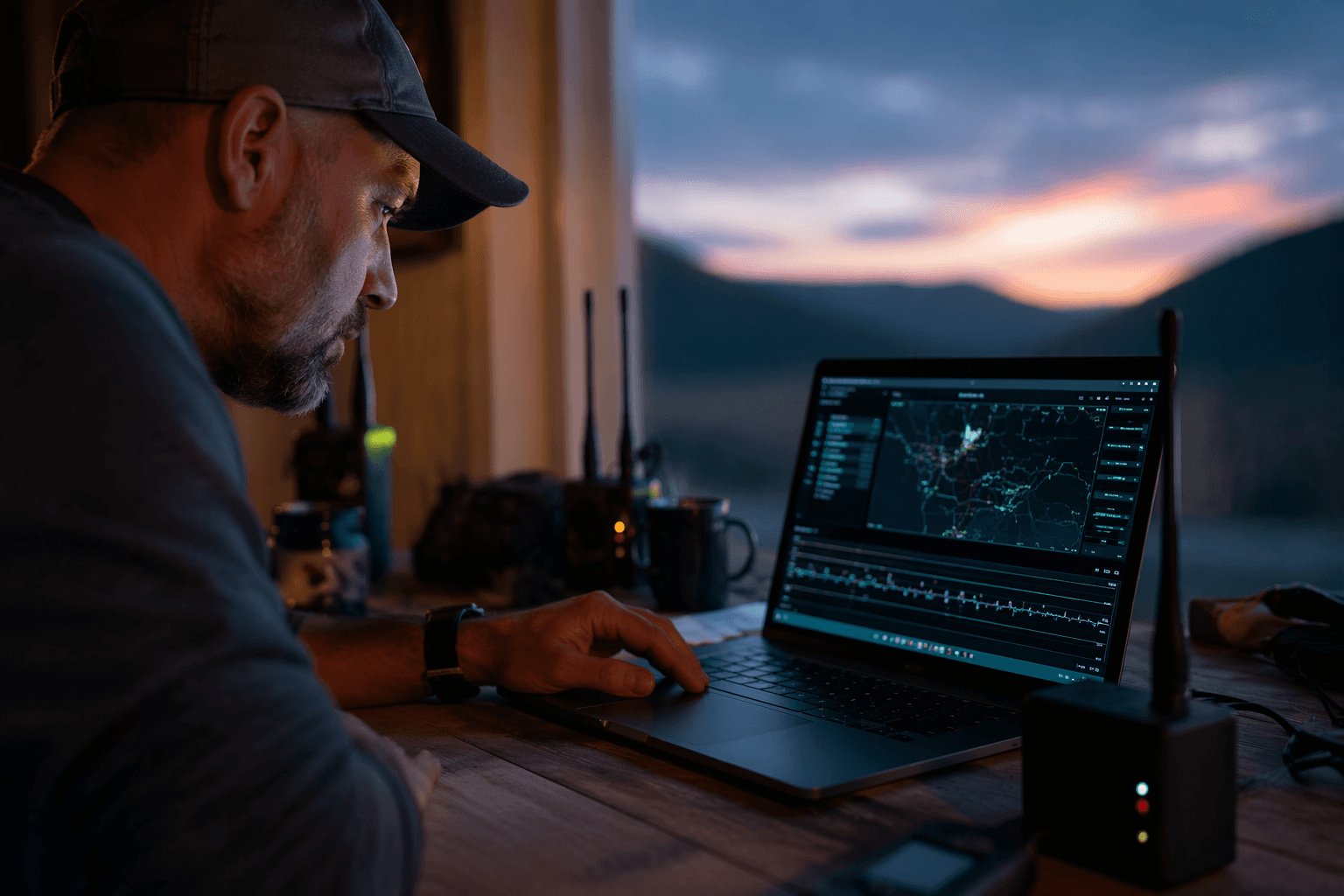
Meshtastic users need to treat this as an OPSEC problem now, not a theoretical privacy lesson. A new passive sniffer toolchain can sit outside a mesh, listen without transmitting, and turn ordinary LoRa traffic into a live picture of who is active, where nodes are moving, and what metadata is bleeding out of the network. If your setup broadcasts positions, node data, or public traffic with loose settings, the exposure is no longer abstract.
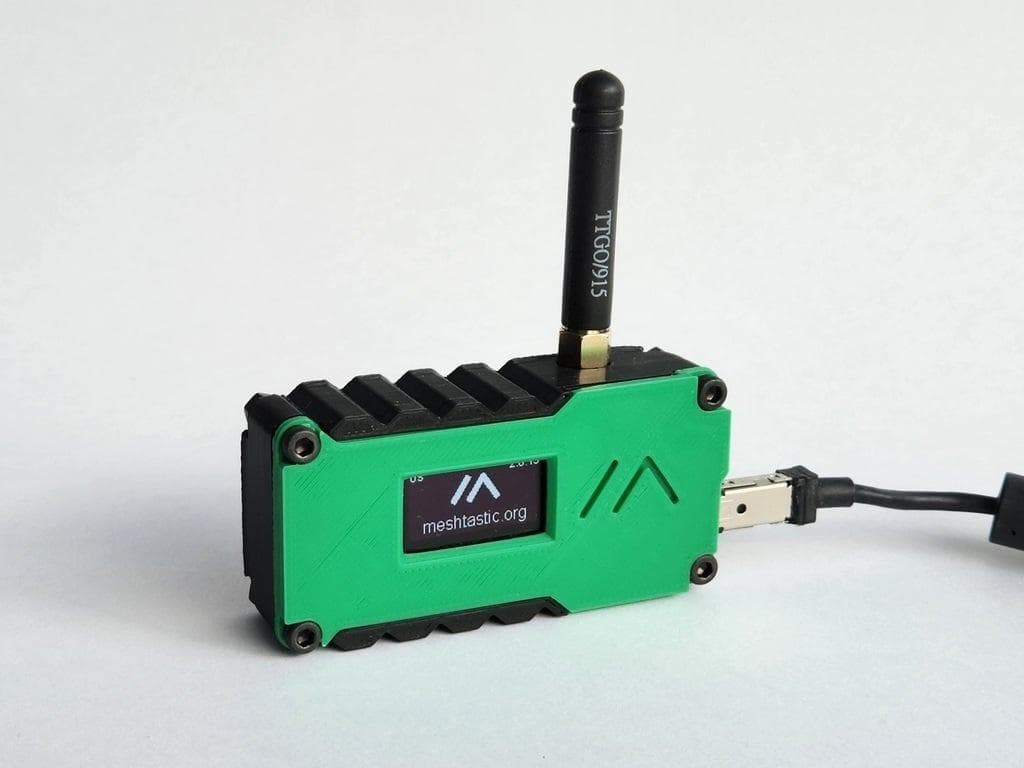
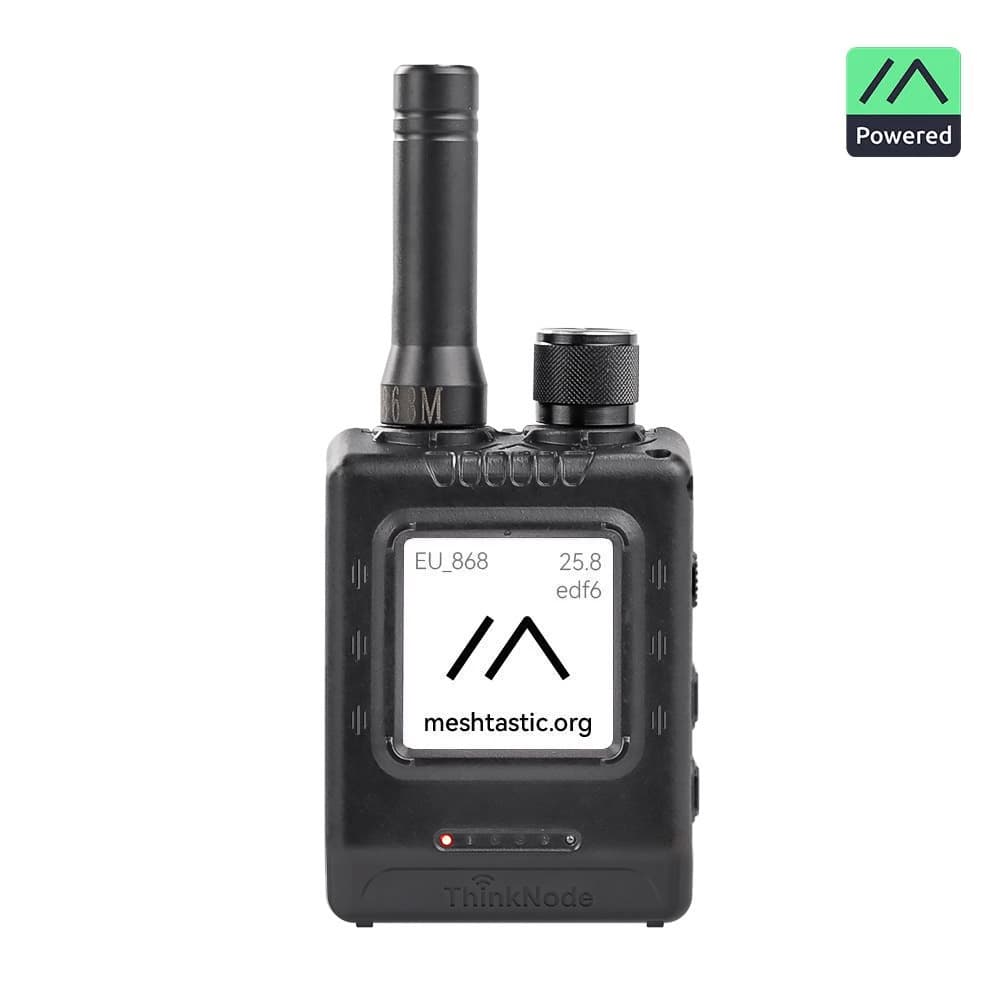
That matters because Meshtastic is built for real-world use. It is an open-source, community-driven off-grid mesh network on low-power LoRa radios, designed to work without cell towers or internet infrastructure. It began as a way to keep hiking buddies connected when cell service was unavailable, and it is now used in search and rescue, disaster recovery, and other off-grid scenarios. Those are exactly the kinds of environments where passive monitoring hurts most.
Why passive monitoring hits Meshtastic so hard
The core issue is that Meshtastic traffic can be observed even when it cannot be decoded. Nodes on the same radio mesh can receive packets regardless of whether they have the right private channel key, and nodes may rebroadcast packets depending on their role. That means an outsider does not need to join your conversation to learn a great deal about your network’s shape, timing, and movement.
Meshtastic’s own settings also show how much exposure can vary by configuration. The default channel uses a blank name with the encryption key AQ==, users can configure up to eight channels on a mesh, and location precision can be controlled per channel. On the default PSK, the public MQTT server limits location precision and only shares imprecise position packets, specifically to reduce exposure. That design helps, but it also makes the warning clear: if you opt into richer location sharing or broad rebroadcasting, you are increasing what a passive receiver can harvest.
What the new sniffer can actually do
The meshtastic-sniffer suite is the part that should sharpen everyone’s attention. It is a wideband passive Meshtastic LoRa receiver written in C that captures one wide IQ slice from a single SDR and decodes many Meshtastic channels and presets at once, so it avoids channel hopping and misses fewer packets. With the right keys, it can decode text messages, GPS positions, node info, telemetry, routing, traceroute, ATAK plugin packets, and more.
It also goes beyond simple packet capture. The tool includes a web dashboard, MQTT and ZMQ outputs, optional geofence alerts, and republishing paths for location data into ATAK and Cursor-on-Target workflows. In release notes, the project says that with three or more time-disciplined stations, it can geolocate emitters with hyperbolic TDOA and produce a confidence circle. It can also flag non-Meshtastic LoRa chirps in the same passband, which means it is built to watch a broad chunk of RF activity, not just one narrow slice of mesh traffic.
For anyone running a field node, the practical takeaway is blunt: a sufficiently capable listener can build a map of your mesh activity from the outside. If your device reveals identity, position, or predictable movement, the sniffer can turn that into operational intelligence.
Your exposure checklist starts with these settings
The fastest way to reduce risk is to audit what your nodes reveal by default and what they reveal because you left a feature on for convenience.
- Check whether location sharing is enabled on any channel.
- Review which channel carries your most sensitive traffic, and whether that channel is also sharing position data.
- Set rebroadcast mode carefully, because public traffic can be retransmitted unless you restrict it.
- Use a channel for chat only if you do not need to share or receive location data on it.
- Treat the default channel as public-facing unless you have intentionally tightened it.
- Make sure you know which nodes are allowed to rebroadcast and why.
- Back up your keys before any firmware erase or reinstall, because reinstalling will regenerate them.
That last point is easy to overlook. Meshtastic says direct messages use public-key cryptography, with a unique public/private key pair for each node, and that AES-256 encryption is intended to protect against passive eavesdropping. But the project also warns that firmware erase and reinstall will regenerate keys. If you lose those keys, you may lose encrypted messaging continuity with the peers you already trust.
What the DEF CON stress test already taught the project
This is not a hypothetical at scale. Meshtastic’s 2025 DEF CON deployment involved about 2,000 nodes in a Las Vegas convention center, and the project said that was the first time it had seen a replay attack involving modified NodeInfo messages on an active Meshtastic network. That same deployment also underscored a practical limit: Meshtastic’s trust-on-first-use model and limited memory for roughly 100 nodes make very large, dense environments harder to manage safely.
That combination should change how you think about mesh assumptions. A small friend group in the woods and a dense event mesh in a city are not the same threat model, but they are both vulnerable to outsiders collecting metadata, replaying traffic, or learning how your network behaves under load. The bigger and busier the mesh, the more valuable the outside view becomes.
What to change right now
If you use Meshtastic casually, the answer is not panic. It is discipline. If your mesh is for hike coordination, neighborhood resilience, mutual aid, or any field use where location matters, assume somebody can listen from farther away than you think and extract more than you intended.
The safest immediate moves are straightforward: cut back on location precision, separate sensitive chats from general traffic, revisit rebroadcast behavior, and verify which channels are truly public. If you use Meshtastic in a sensitive context, treat the default channel, public MQTT exposure, and any always-on telemetry as items to be actively justified, not inherited.
The new sniffer does not create Meshtastic’s privacy tradeoffs, but it removes any doubt about how quickly those tradeoffs can be turned against you. If your mesh still behaves like a casual hobby network, passive monitoring can make it look like an open map.
This article was produced by Prism’s automated news system from verified source data, official records, and press releases, then run through automated quality and moderation checks before publishing. The system is built and supervised by the people who set the standards it runs under. Read our full AI policy.
Know something we missed? Have a correction or additional information?
Submit a Tip