Seeed Launches Meshtastic Build-Off 2026, Global Hackathon With $3,000 Prize Pool
Seeed’s new Meshtastic Build-Off 2026 opens a $3,000-plus prize pool to projects from apps to solar nodes, pushing the mesh toward better tools and deployments.

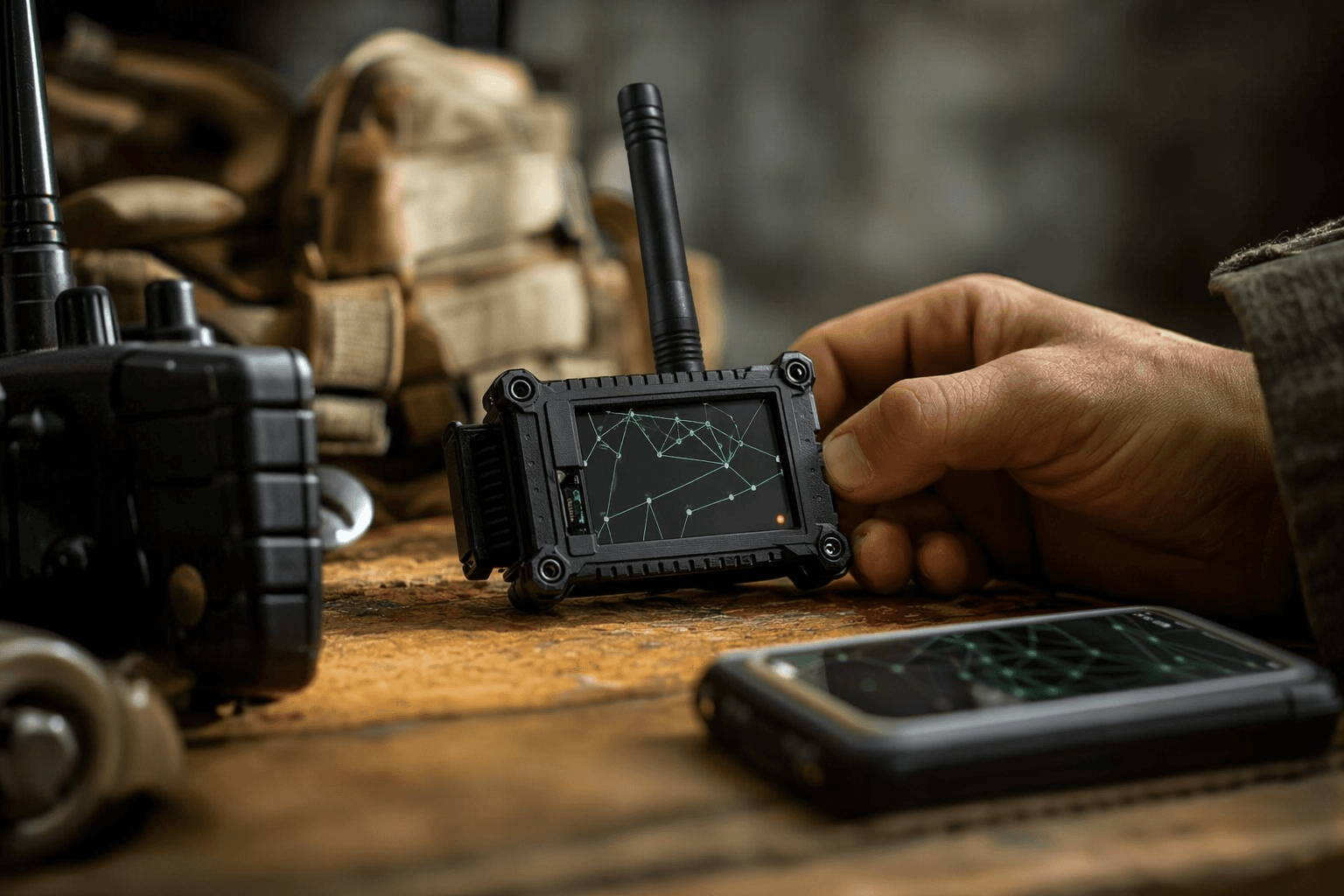
Seeed is turning Meshtastic into a full-scale build season. The new Meshtastic Build-Off 2026 is a global, fully online hackathon with a prize pool of more than $3,000, and its brief is wide enough to catch almost every corner of the ecosystem, from communication apps and hardware hacks to software tools, educational content and creative or research-driven work.
The competition runs from May through August 2026, with submissions due in late August. The repository says entries can come either through a form that becomes a public GitHub issue or through a direct GitHub issue template, and organizers want the basics attached up front: project name, repository link, tech stack and contact information. Judging will lean on innovation, technical quality, completeness, impact and presentation, a combination that rewards both clever prototypes and polished tools people can actually use.
That framing says a lot about where Meshtastic wants the next wave of energy to go. The call is not limited to radios or one-off tinkering. It explicitly reaches for deployment utilities, SDK extensions, gateways, antennas, solar nodes and documentation, which points to a community increasingly focused on the hard parts of making mesh networks useful at scale. Portable nodes still matter, but so do the tools that help people configure them, test them, and keep them running in the field.
Meshtastic has the ecosystem size to support that ambition. The project describes itself as an open source, off-grid, decentralized mesh network built on affordable, low-power devices, with no cell towers and no internet required. Its public site says the network spans more than 100 community-supported devices, 1,800-plus code contributors worldwide, 26 LoRa regions and 39 languages, with client options that include iOS, Android, a web client and a Python CLI or SDK. That breadth makes a public build-off more than a contest. It becomes a map of what the community thinks Meshtastic should do next.

Seeed’s role is hard to miss. Meshtastic’s own hardware docs say many Seeed devices ship with pre-flashed Meshtastic firmware, and call out products such as the SenseCAP T1000-E, SenseCAP Indicator, SenseCAP Solar Node and the Wio Tracker L1 line. That hardware base helps explain why solar-powered deployments, handheld communicators and gateway projects keep showing up around the brand.
The company has already spent the past year feeding that momentum. In June 2025, Seeed and Meshtastic held an official workshop in Shenzhen with more than 50 attendees, including Meshtastic CEO Jonathan Bennett and core developer Manuel. Later, Seeed said nearly 170 creators worldwide joined its Meshtastic Device Design Challenge with Hackster and Meshtastic, building everything from power banks and solar gateways to modular pods and wearable nodes. The new build-off feels like the next step: less showcase, more infrastructure, with the most durable projects likely to be the ones that make Meshtastic easier to deploy, learn and extend after the prizes are handed out.
Know something we missed? Have a correction or additional information?
Submit a Tip