Story-based mindfulness helps children build resilience and self-compassion
A Milwaukee classroom shows how animal characters can turn self-compassion into something children can repeat when feelings spike. Weekly family practice and five clear emotion animals make the work stick.
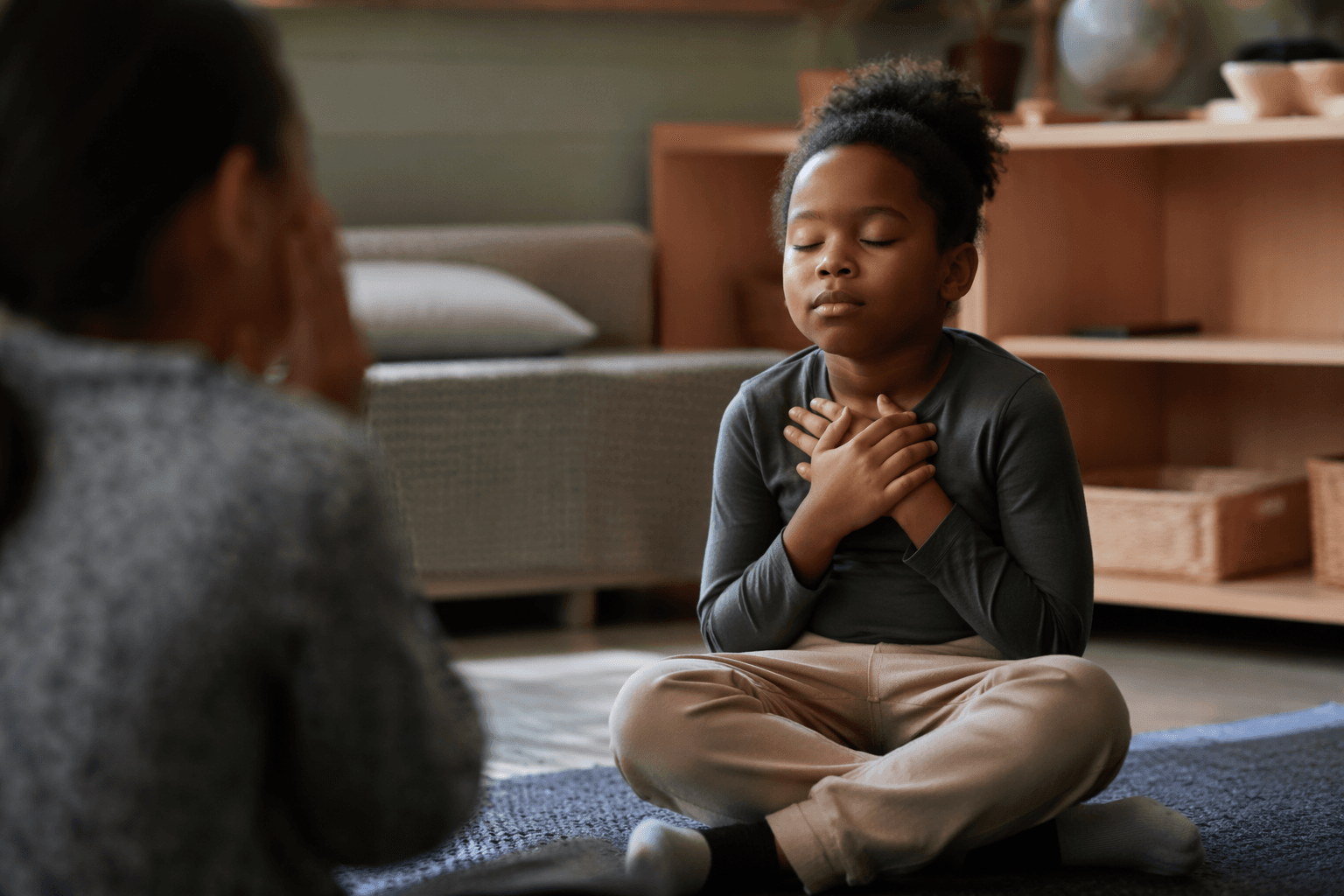
A fourth-grade girl in Milwaukee put the case for story-based mindfulness into one plain sentence: “Now whenever I am upset, I have Buddy and Snuggles in my head.” That image captures why animal characters can succeed where adult-style instructions often lose children. When feelings are big, a concrete inner voice is easier to hear than a lecture about calming down.
Why animal language lands with kids
Jamie Lynn Tatera’s latest Greater Good essay argues that self-compassion becomes accessible when it is translated into child-friendly stories, not abstract concepts. In her work with children, the point is not to tell them to suppress emotion or perform calm on command. It is to help them recognize what is happening inside, name it without shame, and respond with kindness.
Tatera’s framework makes that visible through five resilience habit animals. Bear stands for exploding feelings, Beaver for obsessing, Chameleon for hiding, Deer for shame, and Flame for mixed reactions. The value of the animals is not that they are cute; it is that they give children a way to spot patterns in themselves without being judged for having them.
That matters because children often need language that is immediate, repeatable, and easy to picture. A child who can say, “My Bear is here,” has a better chance of pausing before a tantrum, shutdown, or spiral takes over. The animal image turns an internal state into something a child can notice from a little distance.
How the program works in real families
The approach comes through Mindfulness and Self-Compassion for Children and Caregivers, or MSC-CC, a researched, playful adaptation of the adult Mindful Self-Compassion model for parent-child pairs. In MSC-CC, caregiver-child pairs meet once a week for six weeks and learn as co-learners, which keeps the practice relational instead of top-down.
That co-learner structure is more than a scheduling detail. It signals to children that emotional regulation is something adults practice too, not a rule handed down from above. For families, that shared stance can reduce the pressure that often comes with teaching feelings skills at home, because the adult is not pretending to be perfectly calm all the time. Both people are learning how to notice, name, and soften their reaction.
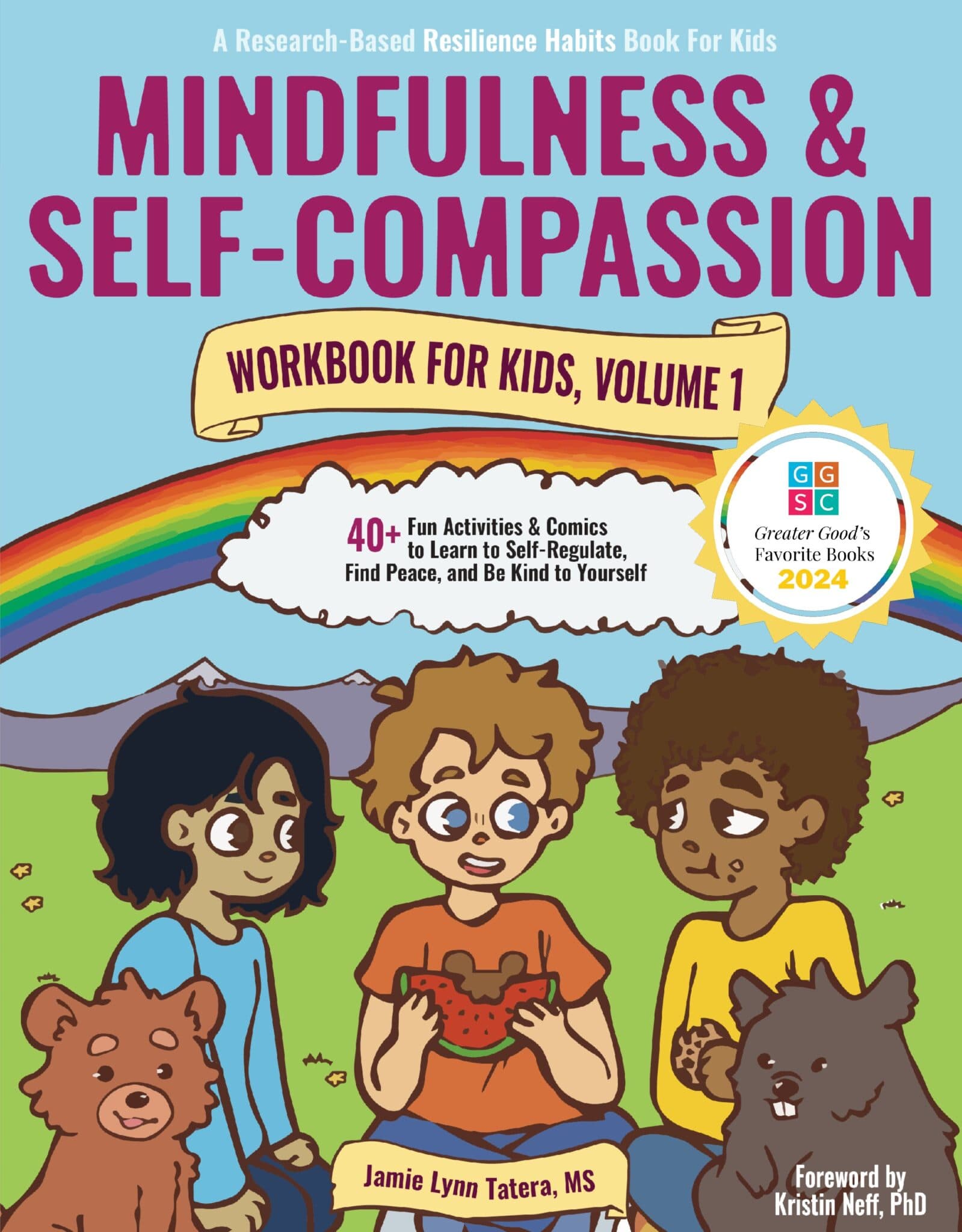
Tatera’s broader body of work includes the award-winning two-volume Mindfulness and Self-Compassion Workbook for Kids, and she has repeatedly emphasized that children open up when feelings work is playful and nonjudgmental. That is the key difference between story-based mindfulness and a more adult-sounding lesson. Instead of asking a child to explain self-compassion in theory, it lets the child meet it through characters, repetition, and a shared language the family can keep using.
Why Milwaukee was the right place for this work
The classroom moment came out of a violence-prevention grant that brought Tatera into kindergarten through third-grade classrooms in early 2025, and the work has just wrapped up. The setting was not incidental. Tatera was working in Milwaukee classrooms where 97 percent of students live in poverty and 1 in 5 have a special education plan, so the need was not for a polished wellness slogan but for practical support children could actually use.
Milwaukee Public Schools reports serving more than 66,000 students, and the district sits inside a city where Wisconsin Policy Forum says poverty levels stand out on both statewide and national scales. That makes the story bigger than one classroom anecdote. In a district shaped by long-running economic pressure, disability needs, and years of school reform and choice debates, emotional regulation is part of the daily learning environment.
In that context, a tool like Buddy and Snuggles is not fluff. It is a low-barrier way to help children practice self-regulation in places where stress is common and adult time is limited. The animal figures offer consistency, and consistency is often what children in high-need settings can least afford to lose.
What the evidence suggests
The larger evidence base supports the logic behind Tatera’s approach. A 2024 review says self-compassion is increasingly recognized as an adaptive resource that can reduce threat and create feelings of safeness. That fits the goal of the animal framework: not to erase hard emotions, but to make them feel less dangerous and less isolating.
A 2024 evidence summary on education-based mindfulness also found that school mindfulness programs have shown small to moderate positive impacts on children and young people’s mental health, social and emotional skills, and cognition and learning. The summary also makes clear that delivery matters, which is where Tatera’s work stands out. She is not simply importing an adult mindfulness script into a child’s world. She is reshaping the delivery so the lesson can actually be remembered, repeated, and used under stress.
That is also why the current wave of mindfulness content resonates most when it is specific. A free-floating promise of calm is easy to ignore. A bear for exploding feelings, a deer for shame, and an inner reminder from Buddy and Snuggles is something a child can carry into a hard moment.
How parents, teachers, and librarians can use it now
The practical lesson from Tatera’s work is simple: make the feeling visible, make the response kind, and make both memorable. In a home, classroom, or library group, that can start with one character and one feeling rather than a full lesson plan.
- Pick one animal and one emotion pattern, such as Bear for big outbursts or Deer for shame.
- Ask children what that animal looks like, sounds like, and needs when it shows up.
- Pair the animal with a short, repeatable phrase children can say to themselves in the moment.
- Revisit the same animal often, because repetition is what turns a story into an inner voice.
That is the real promise of Buddy and Snuggles. The goal is not to make children perfectly calm. It is to give them a way to recognize what is happening inside and answer it with something gentler, so the next hard moment feels a little less overwhelming and a lot more familiar.
This article was produced by Prism’s automated news system from verified source data, official records, and press releases, then run through automated quality and moderation checks before publishing. The system is built and supervised by the people who set the standards it runs under. Read our full AI policy.
Know something we missed? Have a correction or additional information?
Submit a Tip