Study links mindfulness meditation to lower stress, not higher HRV
Mindfulness meditators felt less stress, but their all-day HRV did not rise above controls. During sessions, though, HRV jumped 4.68 ms and stayed elevated for 30 minutes.
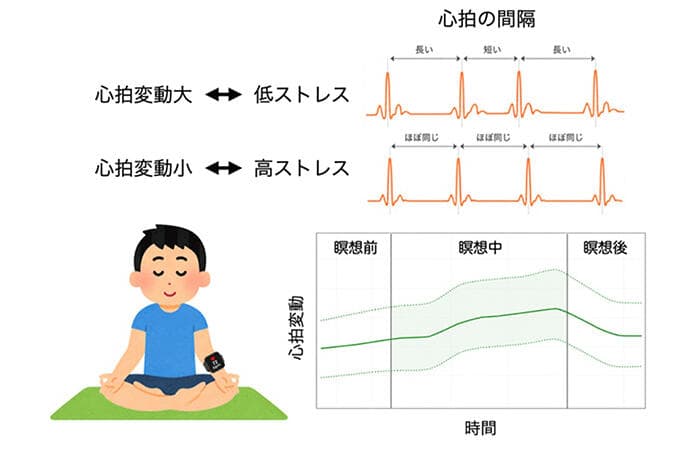
Mindfulness meditation may be delivering a short-term physiological lift that wearables can catch, even when the daily average does not move. In a three-week study of 90 people, meditators reported lower stress than controls, but their all-day heart rate variability did not beat the control group.
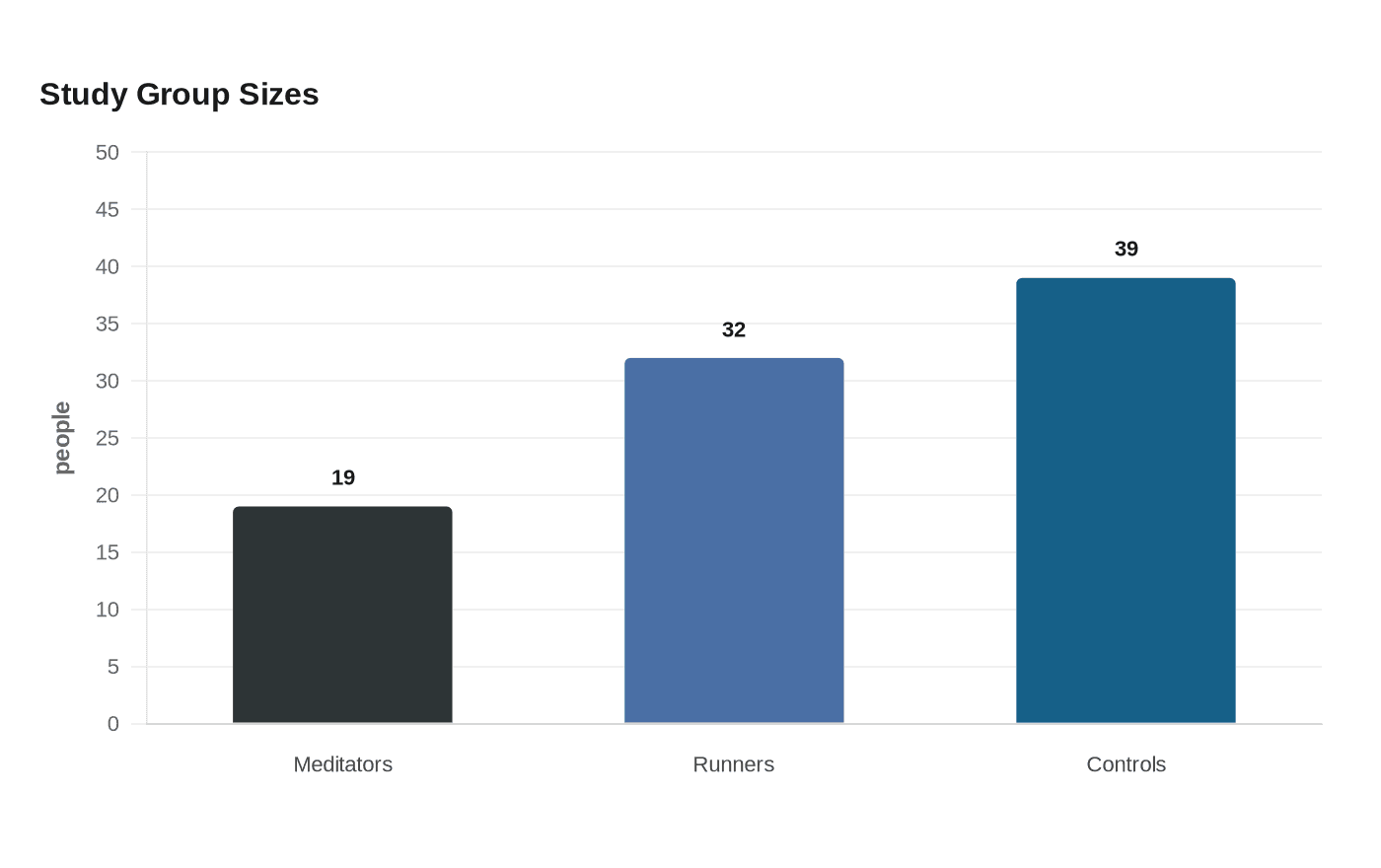
The study tracked 19 mindfulness meditation practitioners, 32 recreational runners and 39 people without regular meditation or exercise habits. HRV was recorded continuously on Garmin smartwatches, while subjective stress and activity were logged three times a day through a smartphone app. That setup produced 4,557 experience-sampling responses and 632 meditation sessions, giving the researchers a rare look at what happened in ordinary life rather than only in a lab.

The main pattern was clear. Median perceived stress scores were lower in both the meditation group and the running group than in controls. RMSSD, the HRV measure used in the paper, was higher in runners than in controls, but it was not significantly different between meditation practitioners and controls. That is the expectation gap many wearable users miss: meditation appeared to help people feel less stressed, but it did not translate into a higher all-day HRV baseline in this sample.
That does not mean the practice left no trace on the body. During meditation sessions, RMSSD increased by 4.68 milliseconds and stayed elevated for at least 30 minutes after practice. The paper’s conclusion is pointed: meditation practitioners may not show higher all-day HRV overall, but they may be able to raise HRV at will, and that ability may be linked to lower stress. In other words, meditation may work more like a state shift than a permanent trait, at least here.
The paper was published online in the Journal of Medical Internet Research on May 29, 2026, as volume 28, article e78244, by a team from the University of Tokyo, Institute of Science Tokyo, NTT Communication Science Laboratories, Garmin Japan Ltd. and the University of Tokyo Institute of Medical Science. For anyone checking their own metrics, the message is simple: do not judge a sitting practice only by daily averages. Look for the session response, watch the stress trend, and remember that a short-term HRV rise can still signal real progress.
This article was produced by Prism’s automated news system from verified source data, official records, and press releases, then run through automated quality and moderation checks before publishing. The system is built and supervised by the people who set the standards it runs under. Read our full AI policy.
Know something we missed? Have a correction or additional information?
Submit a Tip