Acrylics or oils? Miniature painters weigh speed against blending
Miniature painters are not choosing a winner so much as a workflow: acrylics reward speed and structure, while oils buy time for blending, correction, and finish.
An army for game night usually calls for predictable drying and quick turnover; a display piece with atmospheric transitions and softer shifts can turn slow drying into an advantage. Acrylics and oils are two different ways to build the same miniature. The decision shapes everything from how you block in a squad to how long you can sit on one transition before it locks in.
Start with the job, not the label
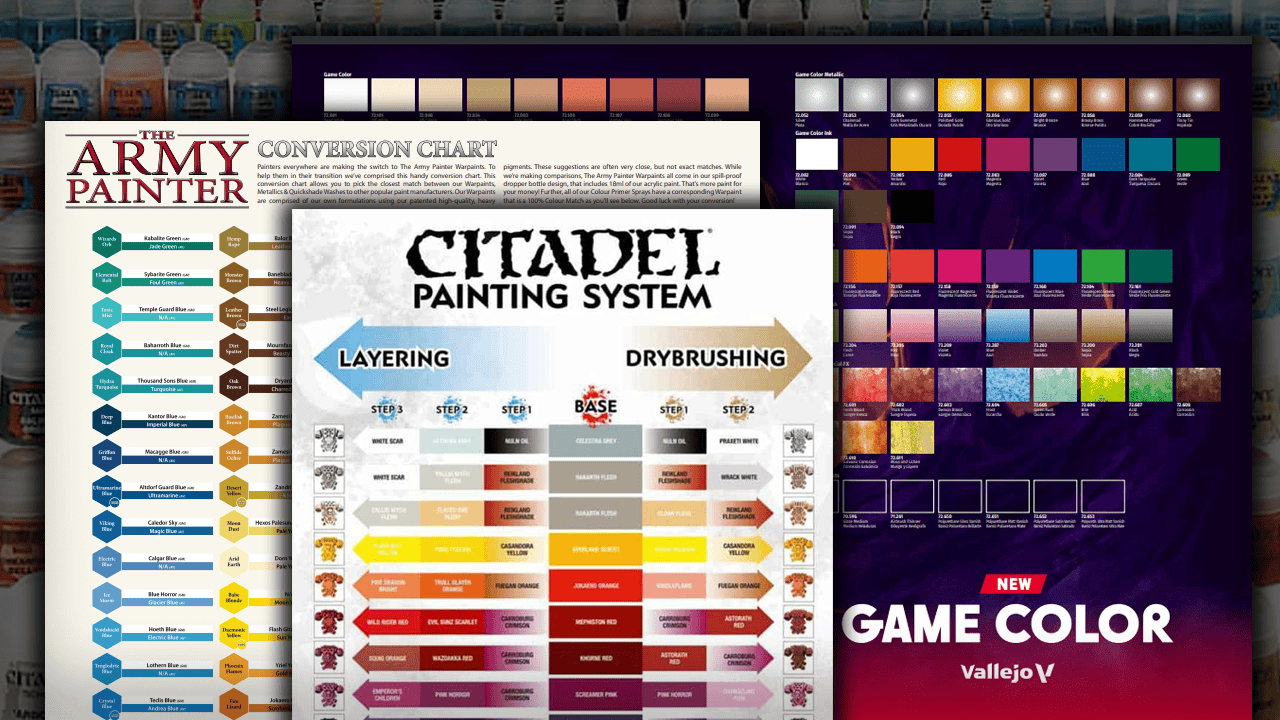
Games Workshop calls painting one of the most satisfying parts of the Warhammer hobby. The company’s Warhammer stores also offer free build-and-paint introductory experiences. Retailer materials position Citadel Colour as the premier miniature paint range in the world. In that ecosystem, paint choice often feels like part of the build rather than a chemistry lesson.
That workflow question splits neatly by project.
Why acrylics fit most miniature benches
Acrylics are the natural fit for most miniature painters because they dry quickly, and miniatures ask for the exact kind of layered, detailed work that speed supports. Fast drying makes acrylics a strong match for basecoats, edge highlights, and crisp transitions, where you want one stage to lock in before you move to the next. That same speed also helps when you are repeating the same recipe across a whole unit, because the rhythm stays tight and consistent.
In Games Workshop’s paint range, Dry paints are described as ideal for drybrushing because they contain less medium than other paints, while Contrast paints can be applied over a white basecoat to base, shade, and layer a miniature in one go. That workflow favors quick structure first and refinement second.
What oils change at the bench
Oil painting had its major flowering in Europe during the 15th century, and painters prized it for slow drying and blending. That core advantage still explains why miniature painters reach for it now. Oils stay workable for much longer than acrylics, which gives you more correction time and more room to massage a transition until it feels right.
That long working window comes with a technical catch. Oil paint cures by oxidation rather than simple evaporation, is often touch-dry in days, and can take months to fully cure, especially in thicker layers. For miniature painters, that makes oils excellent for smoothing blends, filters, and weathering effects, but it also means waiting on the finish.

Why the two mediums feel so different in practice
The contrast between acrylics and oils is not just about drying speed, it is about how you manage mistakes. Acrylics reward decisive layering, because the paint sets before you can keep working it forever, so you plan each step and move on. Oils let you correct and refine for longer, which makes them appealing when a face, cloak, or armor panel needs a gentler hand than a rapid acrylic pass can give.
That difference also changes the way you think about the workspace itself. Acrylics are built for repeatable progress, the kind that supports batch painting and steady project planning. Oils ask for a slower bench rhythm, where the painter is willing to leave a transition open and keep revisiting it until the surface settles into the result they want.
Where each medium fits in miniature painting
For regular gaming projects, acrylics are usually the practical default because they support speed, structure, and quick turnover. They make sense when a force needs to be tabletop ready, when you are working through rank after rank, or when consistency matters more than minute softness in a blend. The medium is also friendly to the way miniature painters often build color, one layer at a time.
For display work, oils can be a powerful second stage. Their open time makes them well suited to refinement, especially when you want smoother atmospheric effects, subtle modulation, or careful weathering that benefits from more time on the brush. In that sense, oils are less a replacement for acrylics than a tool for the parts of the model that need lingering attention.
The strongest approach often uses both
One Nerdy Dad’s comparison lands on the same practical point: acrylics and oils can be paired, with acrylics building the structure and oils handling selective refinement. That combination gives you the speed of one system and the blending window of the other.
Acrylics, widely adopted by artists by the 1960s, brought fast drying to a painting culture that had long associated oils with slow, deliberate blending.
This article was produced by Prism’s automated news system from verified source data, official records, and press releases, then run through automated quality and moderation checks before publishing. The system is built and supervised by the people who set the standards it runs under. Read our full AI policy.
Did this article answer your question?