Brattleboro's Museum of Things Tiny & Found Opens Permanent Home for Miniature Art
Over 1,200 people saw the MTTF pop-up; now it's permanent, opening this weekend with consignment slots and workshops for miniature painters.
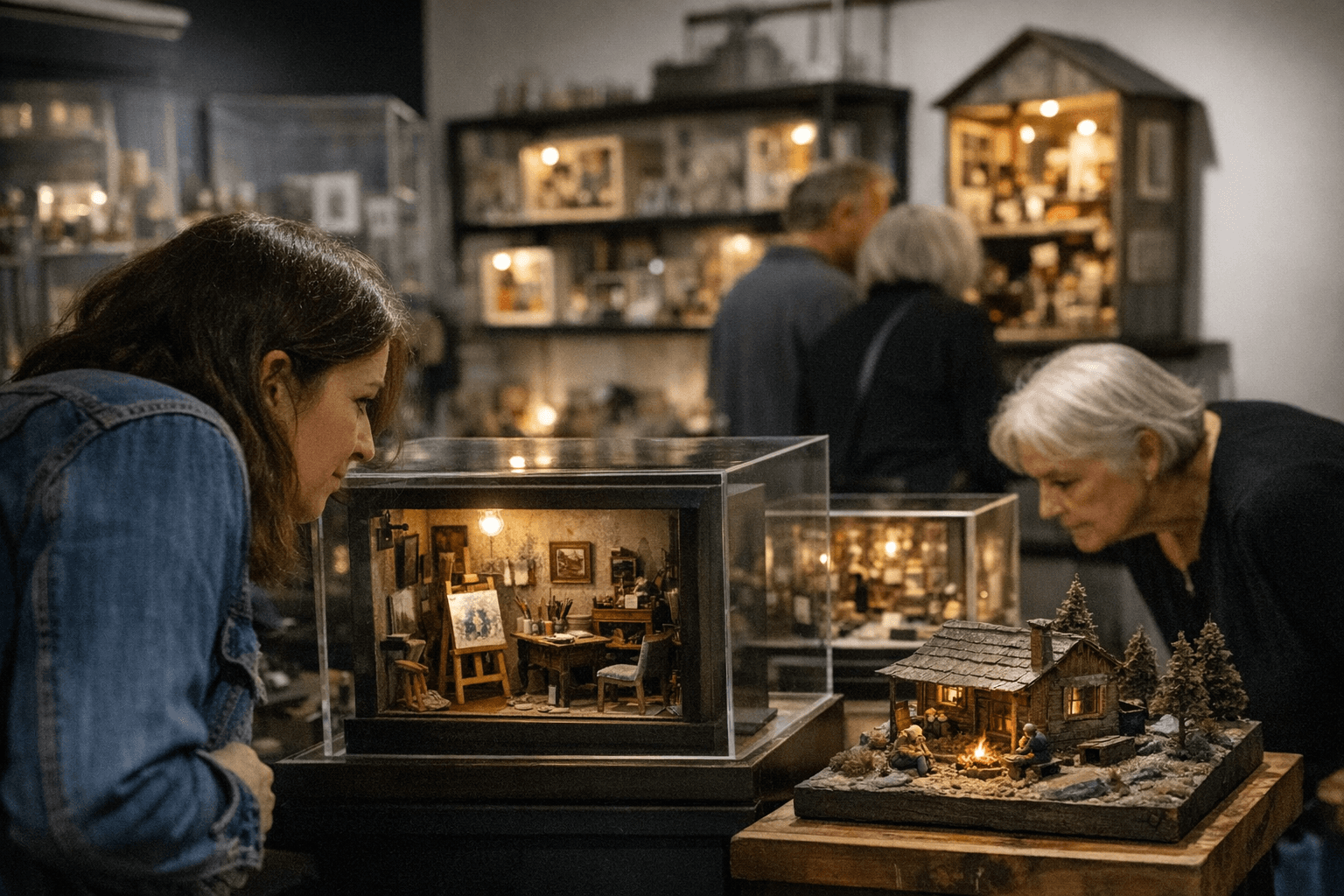
Brattleboro's miniature art scene crosses a significant threshold this weekend: the Museum of Things Tiny & Found moves into its permanent home at the Hooker-Dunham Theater and Gallery lobby, opening for a sneak-peek run starting Friday, April 3.
That's a meaningful leap from pop-up status. More than 1,200 people walked through MTTF's earlier installation at the Latchis Gallery during the Festival of Miniatures, and co-founders Dory Hamm and Tabitha Celani are now translating that momentum into a year-round institution. Celani described the space as "a museum of things, yes indeed, tiny and found," and Hamm laid out the curatorial scope plainly: "a sanctuary for all things miniature with the works/collections from at least 20 artists, as well as a makers' gift shop for consignment."
That consignment shop is the detail painters should bookmark first. It's a tangible sales channel for finished work, particularly the kind of small-format pieces that match the museum's collecting aesthetic: dollhouses, dioramas, tiny tools, found objects, and the painted vignettes and roomboxes that translate those same ideas into hobby form. Single miniatures on scenic bases, small dioramas, and basing showcase pieces all sit naturally within that brief and ship cleanly to consignment if you're not local.
The sneak-peek weekend runs across three days. Friday's Gallery Walk session is 3 to 7 p.m., with a guided tour at 6 p.m. Saturday and Sunday (Easter), the museum opens 11 a.m. to 5 p.m. with 3 p.m. tours on both days. The Friday Gallery Walk slot is the most strategically useful for anyone wanting to ask about consignment terms or upcoming programming: foot traffic at a Gallery Walk is high, the atmosphere is informal, and it's the kind of environment where a short conversation with the founders can open doors that an email cannot.
Programming is where MTTF's ambitions extend well beyond a static collection. The founders have outlined a schedule that includes makers' workshops, a start/stop animation film festival, and maker events. For painters who teach or take commissions, that pipeline represents a calendar of opportunities that simply didn't exist before in this form: paid workshop slots, demo days, and rotating exhibition cycles that give small-format work somewhere to live between sales.
The Hooker-Dunham location also does real work here. It's an established arts venue in Brattleboro's cultural core, which means consistent foot traffic from visitors who have no prior exposure to miniature painting and no existing bias against it. That's the audience that stumbles into an exhibit on a Friday night and signs up for a workshop six weeks later.
Most regional miniature festivals generate infrastructure that evaporates when the last table is packed up. A permanent address changes the planning horizon for anyone within driving distance. The April 3 to 5 opening weekend is a practical deadline to reach out with a portfolio, a consignment proposal, or a workshop pitch before the programming calendar starts filling in.
This article was produced by Prism’s automated news system from verified source data, official records, and press releases, then run through automated quality and moderation checks before publishing. The system is built and supervised by the people who set the standards it runs under. Read our full AI policy.
Did this article answer your question?