CincyCon’s Golden Pig Award spotlights creativity in miniature painting
The Golden Pig Award rewards painters who think like exhibitors: strong presentation, clean finish, and bold ideas in a contest built around Cincinnati’s pig pride.

Active painters can steal a lot from the Golden Pig Award before ever setting foot in Cincinnati: a local theme that gives display work a real point of view, an open entry policy that welcomes everything from single figures to larger showcase pieces, and a judging culture that clearly values creativity as much as brush control. The contest sits on the CincyCon XVI schedule as the Golden Pig Award miniature painting competition, and that mix of personality and access is exactly why it deserves attention even if you never make the trip.
What the Golden Pig asks painters to bring
CincyCon XVI runs Friday, February 27, 2026 through Sunday, March 1, 2026 at the Butler County Fairgrounds, and pre-registration is closed while badges can still be purchased onsite. The fairgrounds listing also notes free parking, which is a small but real convenience when you are hauling in transport cases, display plinths, and finished pieces you want to keep safe.
The competition itself is open to all miniature painters and carries a $10 entry fee. That matters because it keeps the event planted in the same practical world most painters live in: a contest where a polished single figure, a converted display piece, or a larger showcase build can all make sense if the work is finished and thoughtfully presented. The event listing also says entries will be stored in a locked display case, which puts presentation and protection on the same level from the start.
Why the pig theme gives the show its own identity
The Golden Pig Award is tied directly to Cincinnati’s famous pig statues and to the convention’s signature pig theme, and that local connection does more than decorate a schedule. It gives the competition a personality that feels rooted in the host city rather than borrowed from a generic hobby template, which is increasingly rare in a convention circuit full of interchangeable painting contests.
That kind of identity changes how painters read the room. When a contest leans on place-based branding, the strongest entries often feel like they belong to the event rather than just to the broader category they entered. In display painting terms, that nudges work toward clear storytelling, confident basing, and a model choice that says something specific instead of merely being technically complete.
The judging culture points toward creativity, not just clean lines
The event description says the contest is intended to highlight creativity, craftsmanship, and community spirit. Those three words tell you a lot about the kind of judging culture this competition is trying to build: not a pure technical arms race, but a space where concept, finish, and the social side of the hobby all matter.
- Build a piece with a readable idea, not just good blending.
- Treat the base as part of the composition, not an afterthought.
- Make sure the model reads cleanly inside a display case.
- Choose colors and textures that survive close viewing and quick glances alike.
For painters, that usually translates into a few practical cues:
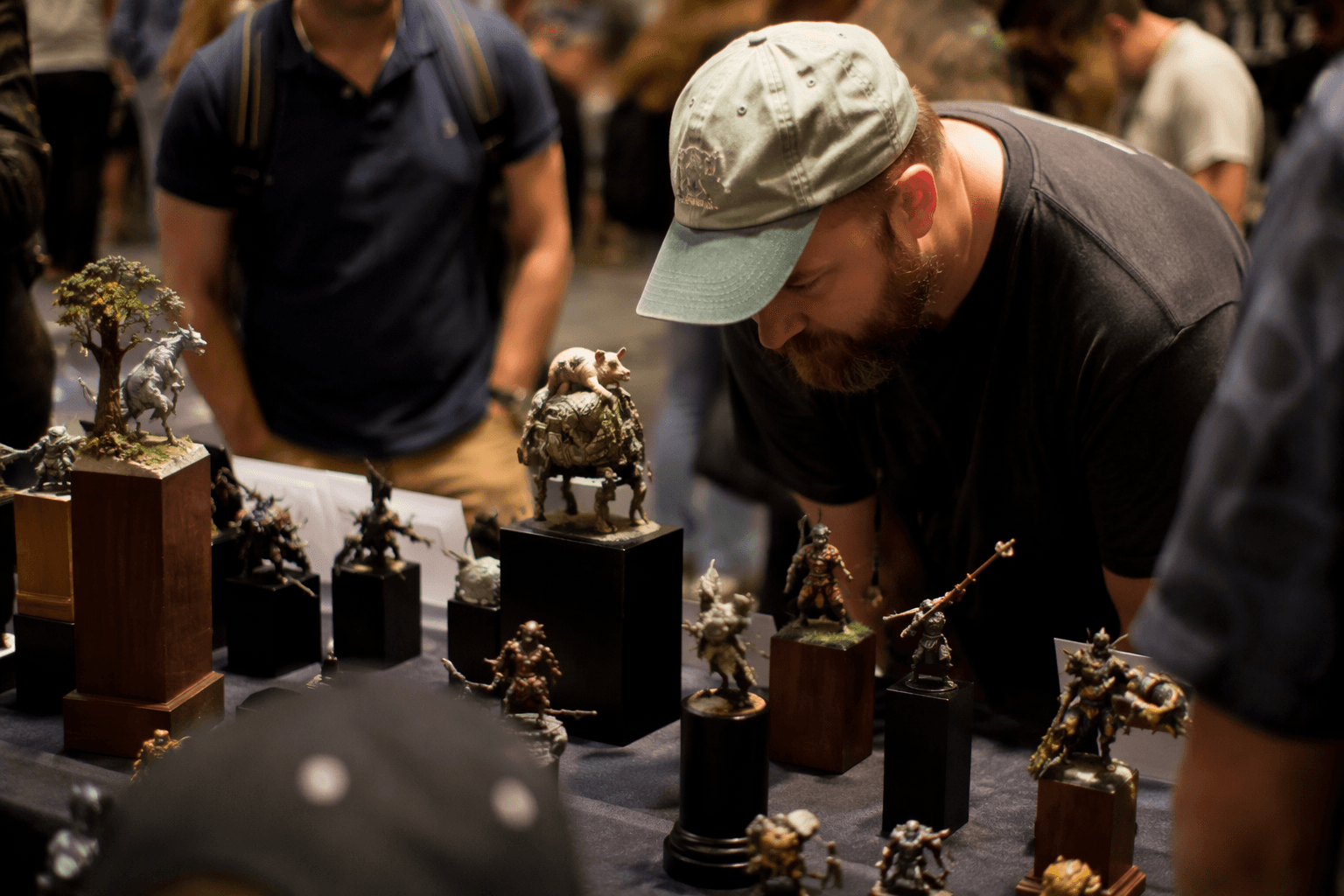
That approach matches a broader trend in display painting right now. Judges and spectators alike are rewarding pieces that feel deliberate from every angle, whether that means controlled edge work, richer environmental basing, or a presentation that looks finished before anyone leans in.
What the open range policy says about modern painting
One of the most revealing details is the line that all miniature ranges are welcome, including legal 3D-printed models. That is a clear signal that the competition is adapting to how painters actually build armies and display pieces now, with a mix of official kits, third-party sculpts, and print-enabled custom work.
This matters because display painting has been moving away from a narrow definition of what counts as a valid subject. A competition that explicitly opens the door to legal 3D prints is recognizing that originality can start with the source material as much as the paint job, and that a strong concept may come from a printed centerpiece just as easily as from a boxed kit. For painters, that widens the creative toolbox without changing the basic test: does the final piece feel intentional, coherent, and worth stopping for?

CincyCon’s hobby lineup shows the contest is part of a bigger scene
The Golden Pig Award is not sitting alone on the schedule. Cincinnati Arsenal Gaming’s CincyCon 2026 lineup also includes CAGBASH XI and Hobby Haven: Explore, Paint, Create!, which places the painting competition inside a broader tabletop and hobby weekend rather than a one-off side attraction.
That ecosystem matters because regional painting events often shape local standards more than people realize. When a convention gives table space to gaming, hobby demos, and painting alongside each other, it creates a loop where finished models, work-in-progress conversation, and community feedback all feed into the next project. The Golden Pig Award fits that pattern neatly: it is a competitive spotlight, but also a public nudge toward finishing, entering, and talking about the craft.
How the Golden Pig fits the wider convention tradition
CincyCon is not the only convention treating miniature painting as a destination activity. Origins Game Fair hosts the Cathy Wappel Memorial Miniature Painting Open, a contest framed as both a celebration of artistic excellence and a tribute to a figure who helped shape the heart of the miniature painting community. That kind of event shows how deep the convention tradition runs for painters who want more than a game table and a vendor hall.
Seen in that context, the Golden Pig Award reads as part of a larger movement inside the hobby: painting contests that prize personality, local identity, and strong display standards over anonymous prestige. The most useful lesson from Cincinnati is the same one that shows up in the best cases and on the strongest judging tables anywhere else: a piece wins attention when the concept is clear, the finish is disciplined, and the presentation makes the model look inevitable from the first glance.
This article was produced by Prism’s automated news system from verified source data, official records, and press releases, then run through automated quality and moderation checks before publishing. The system is built and supervised by the people who set the standards it runs under. Read our full AI policy.
Did this article answer your question?