How Smart Painters Use Release Calendars to Plan Projects and Save Money
Preorder windows and store promos are free project deadlines hiding in plain sight; painters who map them into a schedule finish more armies, spend less, and actually shrink the pile of shame.
The pile of shame does not grow because you lack skill or ambition. It grows because new releases arrive faster than most people plan for them, and without a system, every launch weekend becomes a scramble that derails whatever is already sitting half-painted on your desk. The fix is not willpower; it is a calendar. Painters who treat release dates, preorder windows, and store promotions as project management signals rather than surprise events reliably finish more pieces, spend less on rushed shipping, and convert the hobby's relentless product cycle into a predictable workflow.
This is that system.
Build a Living Release Calendar
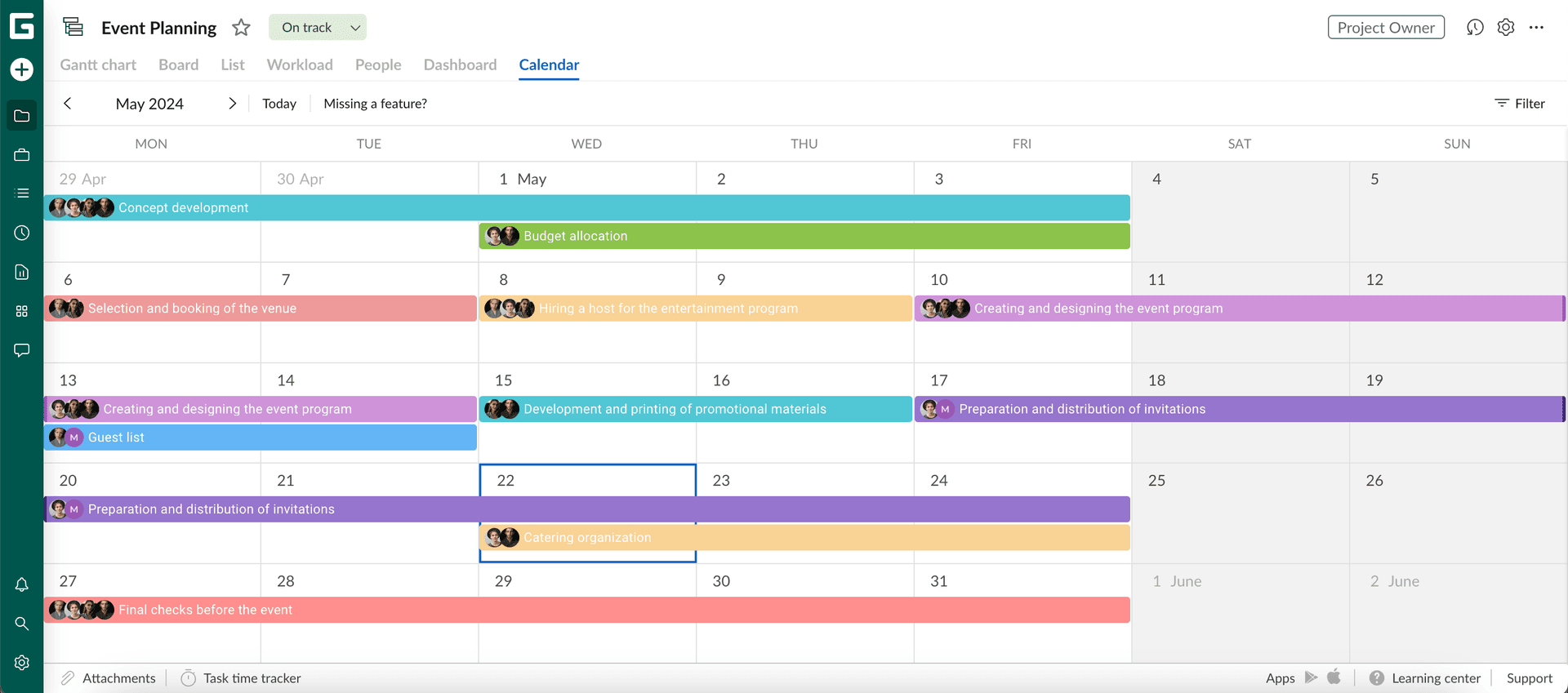
The foundation is a two-layer calendar, and the investment is roughly 20 minutes on a Sunday. In Google Calendar, create one layer called "Product Dates" and a second called "Studio Schedule." The first captures every preorder milestone, hard launch date, and in-store promotion you care about. The second holds your commissions, paint-block sessions, and event appearances. Sync them together weekly and you will immediately see where the two calendars collide or, better, where a release date can anchor a project you were already planning.
For sources, start with Warhammer Community for Games Workshop's weekly preorder cycle (new preorders go live every Saturday), then layer in announcements from major hobby retailers and roadmap consolidators like Spikey Bits, which has built a strong track record of consolidating release intel ahead of official announcements. The goal is never to predict releases with certainty; it is to have a 30/60/90-day horizon visible at all times so you are never reacting blindly.
Open a 6 to 8 Week Procurement Window
The single most expensive habit in the hobby is last-minute supply ordering. Placing a paint or supply order four to six weeks before a planned army or commission deadline gives you time to absorb international shipping variability, backorder delays, and the increasingly common raw-material disruptions that affect specific pigment families. Titanium dioxide shortages, for instance, have historically tightened supply on white and light-toned paints with little warning; painters who hold a rolling two-to-four-week buffer of key colors (white, bone, black, primary metallics, and their main wash) absorb those gaps without missing a delivery.
Crowdfunded projects deserve special attention here. Fulfillment on Kickstarter and Gamefound campaigns routinely shifts four to twelve weeks from projected dates. If a pledge reward includes exclusive models or terrain pieces that are central to a commission, build that variance directly into your Studio Schedule layer rather than assuming the optimistic ship date. Clients rarely accept "the campaign was late" as a reason for a missed deadline, so the buffer belongs in your calendar, not in your excuses.
Match Your Painting Queue to Release Signals
This is where the system pays back in hours rather than dollars. If a battletome or boxed army is scheduled for April, do not impulse-buy a competing kit in March that will compete for desk space and motivation. Instead, use the weeks before the April launch to handle tasks that do not depend on the new parts: priming existing inventory, batch-basecoating models already in queue, or knocking out basing packages for commissions that have been waiting.
Shipping windows are especially useful here. The gap between placing a preorder and receiving it, typically one to two weeks for domestic orders, is dead time only if you treat it as dead time. Stock it with "fill" tasks: small commission work, tabletop-readiness jobs, photography sessions for pieces already finished. These are the tasks with no hard deadline and low cognitive overhead, which makes them perfect for the mental lull that comes after clicking "order."
Use Store Promos and Freebies as Hard Deadlines
In-store promotions are some of the most underused scheduling tools available. A promotion labeled "while stocks last" or "in store from [date]" creates a natural exit point. Use it. If your local game store is running a promo that drives foot traffic, schedule a weekend blitz to photograph and list finished miniatures for sale or to announce workshop openings. The promo brings customers into the building; your finished work converts them.
When a promotion includes a free miniature with purchase, expect a short, sharp spike in demand for the core paints used to complete that model. The community will share paint recipes within 48 hours of the model's reveal, and stock on commonly cited paints will move fast. Placing a small restock order with your supplier before the promo begins, rather than after you see the recipe circulate, is the move that separates prepared painters from frustrated ones.

Use Shows and Local Events as Delivery Anchors
Regional hobby shows and museum exhibitions, including the smaller "little shows" that do not make national coverage, are arguably the most powerful deadline tools available. A show appearance gives you a fixed date against which to plan one to three display or sale pieces, and the social accountability of a public event is a stronger motivator than any personal deadline. Commission clients respond well to "I will have this ready in time for [show name]" because it signals professionalism and ties delivery to a real-world calendar point.
Workshops at shows function as both income and lead generation. A short painting session at a regional event introduces you to local customers who would never have found you online, and those relationships often convert to repeat commissions. Budget your prep time accordingly: workshop demo pieces require a different kind of finish quality than display work, so schedule them as separate tasks in your Studio Schedule layer at least three weeks before the event.
Manage Supply Risk Before It Manages You
Beyond the painting desk, supply chain awareness is a genuine competitive edge for anyone running commissions or a small studio. Specialty pigments, premium varnishes, and even tufts and basing materials can go on extended backorder with little notice. For non-perishable consumables you depend on regularly, small-scale stockpiling is rational, not obsessive. A three-month supply of your go-to varnish and adhesive costs little to store and eliminates an entire category of project-stopping surprises.
Building a relationship with a small local retailer adds another layer of protection. Many independent hobby shops will hold stock for dependable regular customers; simply asking about a "reserve" or "notify" service costs nothing and is the kind of arrangement that matters most during a high-demand launch weekend when shelf stock evaporates by noon.
The 48-Hour Rule After a Major Preview
When Games Workshop or another major publisher drops a preview, an unboxing reveal, or a roadmap update, the community paint-recipe conversation begins almost immediately. Within 48 hours of a significant announcement, the paint lists, conversion guides, and color-match discussions are live across forums and social channels. That 48-hour window is your signal to update the Product Dates layer, check your inventory against the emerging community consensus on key paints, and flag any supply order you need to place before demand peaks.
This is not about rushing to buy everything previewed. It is about identifying the two or three paints that will trend, cross-referencing them against your buffer stock, and placing one small, targeted order if gaps exist. The painters who complain about out-of-stock paints at launch are almost always the ones who waited for the release day to act.
The Outcome: Fewer Rushed Jobs, More Finished Models
A 30/60/90-day horizon, two calendar layers, and a modest inventory buffer convert the hobby's relentless release rhythm from a source of financial pressure into a production schedule you actually control. The pile of shame shrinks not because you paint faster, but because you stop starting projects that have no anchor date and no procurement plan. Every model on your desk has a reason to be there and a date by which it needs to leave.
That is the real value of treating release calendars as a planning tool: not optimizing the hobby out of fun, but building enough structure around it that the fun parts get the time and supplies they deserve.
This article was produced by Prism’s automated news system from verified source data, official records, and press releases, then run through automated quality and moderation checks before publishing. The system is built and supervised by the people who set the standards it runs under. Read our full AI policy.
Did this article answer your question?