How underpainting and zenithal priming shape miniature painting values
Underpainting turns flat minis into readable value maps fast, and the choice between zenithal, warm undercoats, or grayscale sketching changes speed, contrast, and color.
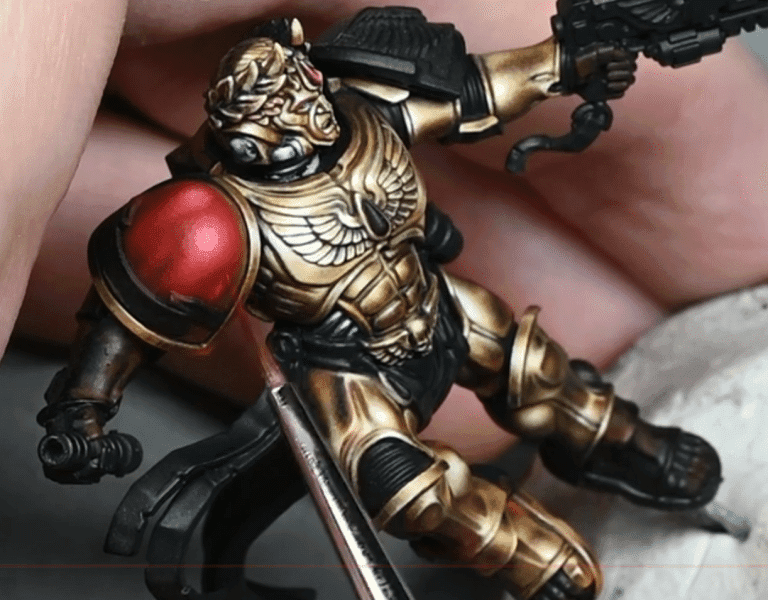
A sci-fi trooper can already have lit faces, shoulders, helmet ridges, and weapon edges before the first real color goes on. Underpainting does that by making value do the heavy lifting so a miniature does not look dead-flat. Bird with a Brush defines underpainting as “using an initial layer of paint to establish some element(s) of a paint job,” and zenithal priming is one of the clearest examples.
Underpainting is a value map, not just primer
Underpainting is a planning stage, not a prep step. The undercoat changes how every later layer reads. Tabletop Battles’ Oct. 17, 2022 article, How to Paint Everything: Underpainting, and Jackson’s Art Blog’s May 14, 2023 piece on underpainting in oil and acrylic both treat it as part of the painting process rather than an optional trick.
That idea goes back well beyond miniatures. Essential Vermeer places dead-coloring in Johannes Vermeer’s working procedure right after the initial outline drawing, where it helped organize the final image before color. In miniature painting, the same logic applies to a sci-fi trooper, a fantasy knight, or a bust: the underpainting decides whether the form reads as round, recessed, sharp, or sunlit before you commit to saturated color.
What the same miniature looks like with and without underpainting
Put the same infantry model through two paths and the difference is immediate. With no underpainting, opaque basecoats have to define all the volume themselves, which usually means more layers, more cleanup, and more chances for flat-looking plates or muddy shadows. With black prime plus a white or light gray zenithal spray, the raised areas already catch light, so the sculpt’s faces, shoulders, helmet ridges, and weapon edges tell you where to push brightness before the color stage even begins.
Transparent paints, inks, contrast-style paints, and glazes react strongly to the surface underneath them. A pale color over white reads brighter and cleaner; the same color over black turns moody and subdued. On a cloak, that can mean the difference between a fresh red that glows and a deeper red that looks like it has been sitting in shadow all day. On armor, the same value map can make metallics feel more polished or more grimy without changing the paint line itself.
Warm undercoats change the result again. A brown or red-brown base can be a better starting point than pure black for flesh, leather, fur, rusted armor, and historical subjects, because the shadows stay richer and less stark. If you want the miniature to feel earthy, weathered, or organic, that warmer ground can do more work for you than a purely black-and-white pass.
Zenithal priming is the most common shortcut for a reason
The familiar version of underpainting in the hobby is black prime followed by a white or light gray spray from above. That gives you an instant read on where the light should land and where the recesses should stay dark. The Army Painter’s explainer is titled Zenithal Priming: The Secret to easy & natural shading & highlight, and Ph3lan’s Miniatures published a Zenithal Highlighting and Priming Guide for Miniature Painting video on Nov. 24, 2023.
Tabletop Minions has returned to the topic twice, first with The Best Way to COLOR OVER Your Zenithal Prime on Oct. 15, 2021, and again with WHY You Should Zenithal Prime Your Miniatures on Aug. 30, 2024. Warhammer has also made the connection explicit in its Contrast Paint coverage, including Painting Essentials: How to use Contrast Paints | Beginner | Warhammer on July 25, 2023 and 6 Contrast Paint Hacks | Intermediate | Warhammer on Feb. 11, 2025. Transparent-style paints work best when the model already has a strong value map underneath.
When to choose zenithal, warm undercoats, or a grayscale study
If your goal is a fast tabletop force, zenithal priming is usually the cleanest starting point. It is fast, it is easy to read, and it works especially well when you want contrast-style paints or glazes to do most of the finish work. That makes it ideal for rank-and-file infantry, batch-painted squads, and armies where consistency matters more than hand-built blending on every figure.
If you want speed with a little more atmosphere, a brown or red-brown undercoat is the smarter move. It keeps shadows warmer, which helps with flesh, leather, fur, rust, and historical kits where pure black can make the result feel too harsh. If you are chasing a display piece, a grayscale sketch or full monochrome value study gives you the most control, because you can solve the entire light structure before you introduce color.
Slapchop-style workflows sit at the quick end of that spectrum. They lean on a dark base, a bright top pass, and transparent color to get a strong tabletop result quickly, which is why they appeal when the project is large and the deadline is short. More controlled zenithal work, by contrast, leaves you more room to steer saturation and mood on individual models, especially when the sculpt has strong surfaces you want to emphasize one by one.
Why the method keeps showing up in hobby painting
It lets color decisions happen on top of a value structure instead of replacing that structure from scratch, and that cuts down the amount of layering needed to make a mini read clearly at arm’s length. The method fits grimdark infantry, bright fantasy monsters, sci-fi armor, busts, and terrain.
This article was produced by Prism’s automated news system from verified source data, official records, and press releases, then run through automated quality and moderation checks before publishing. The system is built and supervised by the people who set the standards it runs under. Read our full AI policy.
Did this article answer your question?