Master Smooth Miniature Finishes: How to Prevent and Fix Brush Marks
Learn why brush marks appear and get step‑by‑step prevention and repair techniques to achieve silky, airbrushed-looking miniature finishes.
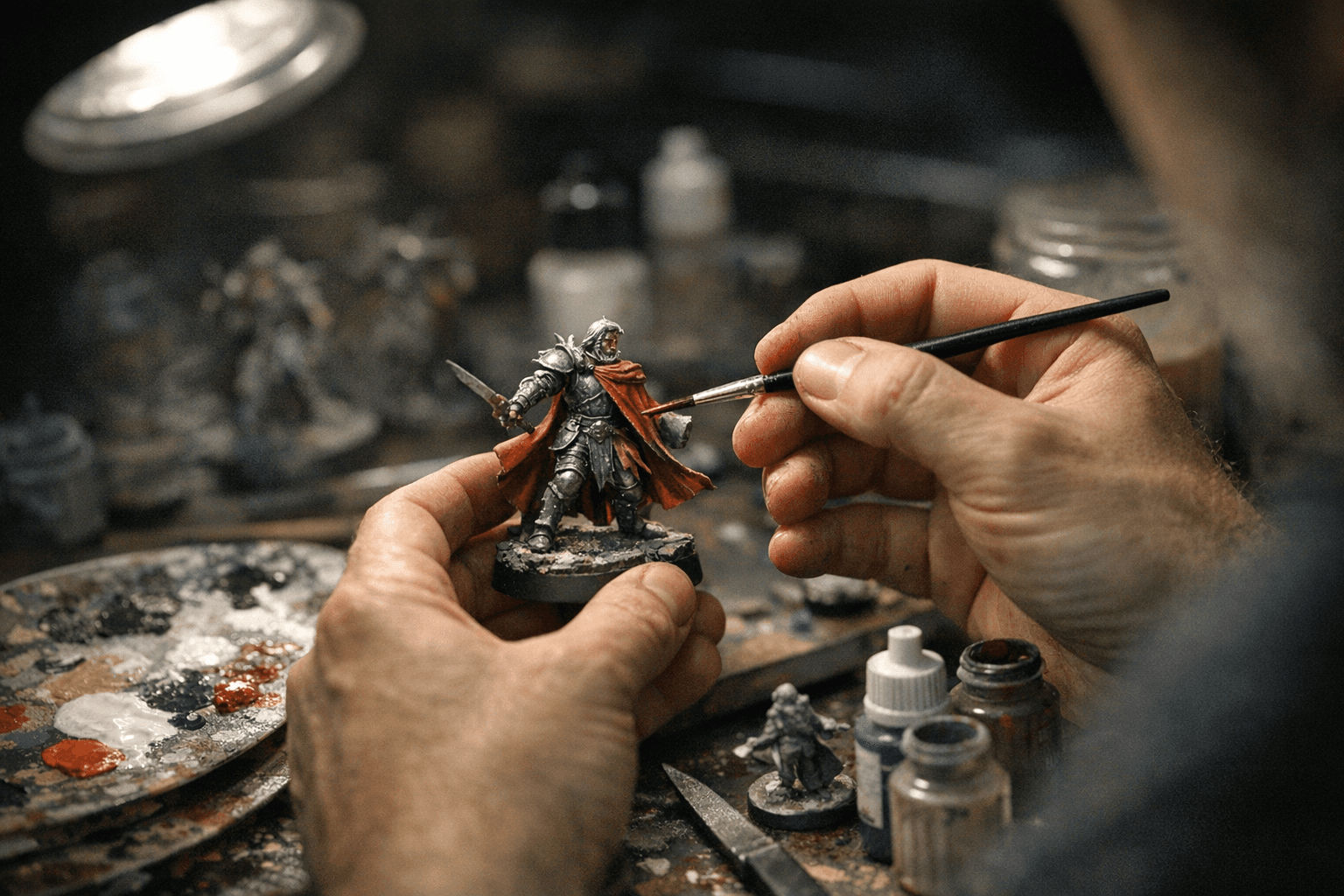
Smooth finishes start with understanding the enemy: brush marks come from torn drying skins, thick paint, tired brushes, or overzealous pressure. Below are clear, actionable steps to prevent those streaks and ways to fix them when they happen, written for painters who want display‑case results without buying an airbrush.
1. Identify the root causes of brush marks
Brush marks often come from painting over semi‑wet paint, using paint straight from the pot, worn brushes, or pressing too hard. When you go back into a still‑wet stroke you can tear the drying “skin,” producing clumps and texture. Recognizing which of these is happening lets you pick a targeted fix instead of chasing symptoms.
2. Follow the one‑pass rule and respect drying time
Once you lay down a stroke, don’t go back over it while it’s wet, that’s the one‑pass rule. Let each layer dry for at least two hours under normal conditions; if you need to speed things up, use a hairdryer on low heat to avoid baking the paint. Patience here prevents tearing and reduces the need for later sanding or touch-ups.
3. Build coverage with multiple thin coats
Thin, even coats beat one thick coat every time: an uneven first coat is fine as long as it’s thin, because smoothness comes from layering. Thin paint self‑levels more easily and reduces brush drag; aim for several passes rather than trying to force opacity in a single hit. This technique saves you from grainy texture and heavy ridges that shout “brushed” from across the display base.
4. Master paint consistency with thinning and leveling
Always thin paints on a wet palette and avoid using them straight from the bottle when aiming for smoothness. Add water sparingly or use a slow‑dry retarder to extend open time so the paint can self‑level before it sets. Proper thinning is the single biggest change you can make to reduce brush marks and achieve that silky finish.
5. Use the glazing approach for flawless coverage
If you want to eliminate brush marks almost entirely, dilute your paint toward transparency and apply dozens (or even hundreds) of ultra‑thin layers. Glazing builds color depth without brush texture because each layer is so fine it levels before the next goes on. It’s slow, but for display pieces and competition models, glazing is the secret to that airbrushed look with a brush.
6. Invest in quality tools and maintain them
Kolinsky sable brushes are worth the price: the hair retains a sharp point, holds moisture, and resists splaying, all of which keep strokes clean. Replace or repair brushes as soon as the tip goes fuzzy; a compromised brush ruins otherwise good technique. Good tools are community currency, swap tips with local painters or test different brands to find the best fit for your style.
7. Optimize brush motion and pressure, try cross‑hatching
Control pressure: pressing too hard “plows” paint and leaves ruts, so use light, confident strokes that let the brush glide. Use a cross‑hatch technique for even coverage, vertical strokes for the first pass, horizontal for the next after drying, to cancel visible lines and build a uniform surface. Combine motion control with thin layers and you’ll dramatically cut visible brushwork.
8. Fix brush marks while the paint is still wet
If the texture is slight and the paint is flowing well, the best move is often to leave it, the paint may level itself as it dries. For excess paint or obvious blobs, clean and slightly dampen your brush, then use it like a sponge to wick away the spill; you may need to repeat until the surface looks flat. Acting fast here avoids sanding and heavy rework later.
9. Repair brush marks after the paint is dry
Once paint is fully cured and has left a ridge, mechanical leveling is the only reliable fix: carefully sand with fine‑grit paper to flatten the high spot. After sanding, you must repaint the area with a fresh, thin coat, treating the spot as if it were primed anew to restore smooth color and sheen. Take your time sanding; over‑aggressive abrasion risks scuffing sculpt detail.
- Visible ridges, cross‑hatch next layer; sand and repaint if already dry.
- Grainy texture, thin paints on a wet palette or add retarder to slow drying.
- Clumping or tearing, wait at least two hours between coats; stop reworking wet paint.
- Split or fuzzy strokes, switch to a Kolinsky sable and check brush health.
10. Quick troubleshooting checklist
Use this at the bench when you spot a problem:
This checklist gives you rapid, community‑tested fixes you can apply mid‑session.
11. Closing tips and community relevance
Smooth finishes are a combination of technique, the right kit, and good bench habits, the kind of craft culture that gets swapped at local game nights and painting meetups. Practice glazing on throwaway minis, track drying times for your environment, and share what works at your next club session; small changes like a retarder or a better brush transform entire armies. Keep experimenting, and you’ll trade “plastic look” for a silky finish that earns table‑side double takes.
Know something we missed? Have a correction or additional information?
Submit a Tip

