Monument Hobbies shares beginner-friendly airbrush guide for mini painters
Monument Hobbies is making the airbrush pitch in beginner terms: faster basecoats, smoother gradients, and cleaner zenithals if you can clear the setup and practice curve.
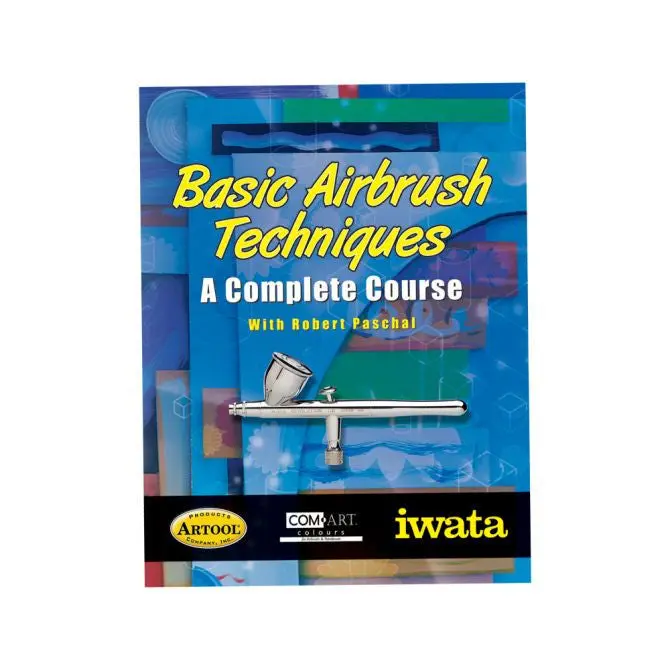
Robert Paschal walks viewers through how to start airbrushing miniatures properly in a beginner-friendly Monument Hobbies reel. The tool speeds up basecoats and helps painters control cleaner zenithal highlights.
Why this reel lands with new painters
Airbrush content often gets buried under jargon, but this reel treats the tool as something you can actually pick up and learn without already knowing the whole language of compressors, pressure, and trigger work. For a lot of painters, the first hurdle is not interest but fear of setup complexity, cleanup, and wasted paint.
That fear shows up in the rest of the hobby conversation too. Resourceful Miniatures published “Airbrushing Miniatures: Start Here” on 2025-06-04 for people who are “totally clueless,” with coverage of pressure, thinning paint, and trigger control. SpruesNBrews Scale Modeling posted “First Time Airbrushing? START HERE! | Beginner Airbrush Starting Guide” on 2024-03-04; the video calls the airbrush one of the most essential tools for scale modelers, miniature painters, and hobbyists, and says it can unlock “so much fun & potential” in the hobby. Squidmar Miniatures went even broader with “Airbrushing Miniatures - A Beginners Guide” on 2019-09-04, covering how to get started, why to airbrush, and what you need.
SpruesNBrews’ beginner airbrush video drew 320,333 views and 7,861 likes, while Squidmar’s beginner guide reached 821,174 views and 23,434 likes. A 2022 Tabletop Tactics guide also centered on setting up the compressor, airbrush, and maintenance.
What gear actually gets you started
If you are trying to decide whether this is a backlog-clearing investment or an unnecessary upgrade, the shortest honest answer is that you do not need a full workshop to begin. The baseline across beginner guides is an airbrush, a compressor, and the discipline to learn maintenance instead of hoping the tool will behave itself forever. Tabletop Tactics’ beginner guide made setup and maintenance part of the first lesson.
That same beginner conversation keeps circling back to a few practical extras. Pressure control is one of the first skills beginners have to learn, and beginner setups often include a pressure regulator with gauge and a water trap filter so the compressor can deliver steadier airflow. Paint thinners and cleaners also keep showing up in beginner buying advice, because the tool is only as forgiving as the mix going through it.
For a painter deciding whether to buy now, the useful rule is simple: start with the airbrush and compressor you can maintain, not the fanciest package you can justify. Leave room for learning cleanup, thinning, and basic upkeep.
The first exercises that pay off on the table
The fastest visible results come from work that most mini painters already need: priming, basecoats, and zenithal passes. Loot Studios lists “faster basecoats, smoother gradients, cleaner zenithal highlights, better OSL effects, and much quicker paint jobs” among the workflow gains from airbrushing. The tool earns its place quickly on army projects, display pieces, and terrain.
The best first reps are low-stakes and repetitive. One Instagram practice post put it bluntly: “Sometimes you just need to go back to basics,” and added, “No fancy models, no pressure, just practice sheets and reps.” Before you aim at a character model, build control on paper or practice sheets, then move to thick and thin lines, trigger control, and simple spray passes.
Another useful early target is zenithal highlighting and underpainting. Ph3lan’s miniatures content treats zenithal highlighting as useful for both army painting and display-quality miniature painting, and beginner tutorials repeatedly treat it as a first worthwhile application because the result is easy to read on a model. You do not need to make it perfect to get value from it; you need to get enough control to place light where the model reads best.
The beginner mistakes that slow everything down
The most common beginner mistake is treating the airbrush like a spray can with a trigger. The guides keep returning to the same three hurdles: pressure, thinning, and trigger control. Resourceful Miniatures covers all three, and the early advice around trigger use is consistent across hobby airbrush content: start with air first, then slowly pull the trigger back to introduce paint.
That sequence matters because it keeps paint flow from becoming the thing that dictates the spray. It also makes cleanup and maintenance less punishing, since clogged passages and rough atomization usually come from rushing the mix or using too much paint for the pressure setting.
Another mistake is skipping the unglamorous parts. Maintenance shows up in the Tabletop Tactics guide. If the first few sessions include regular cleaning, controlled practice, and a few test passes before touching a finished mini, the learning curve gets much shorter.
Worth it if your pile is getting taller
The case for buying an airbrush gets strongest when your backlog is large, your armies need repeatable priming, or you want softer blends without doing every transition by brush. It is especially useful when you want cleaner base color application across squads, better value control for display work, or faster terrain sessions that do not eat an entire weekend.
This article was produced by Prism’s automated news system from verified source data, official records, and press releases, then run through automated quality and moderation checks before publishing. The system is built and supervised by the people who set the standards it runs under. Read our full AI policy.
Did this article answer your question?