New compilation details tools, techniques, and sourcing for beginner miniature painters
A consolidated primer lays out starter tools, core techniques, and sourcing tips so new painters can begin with practical steps and avoid common early mistakes.
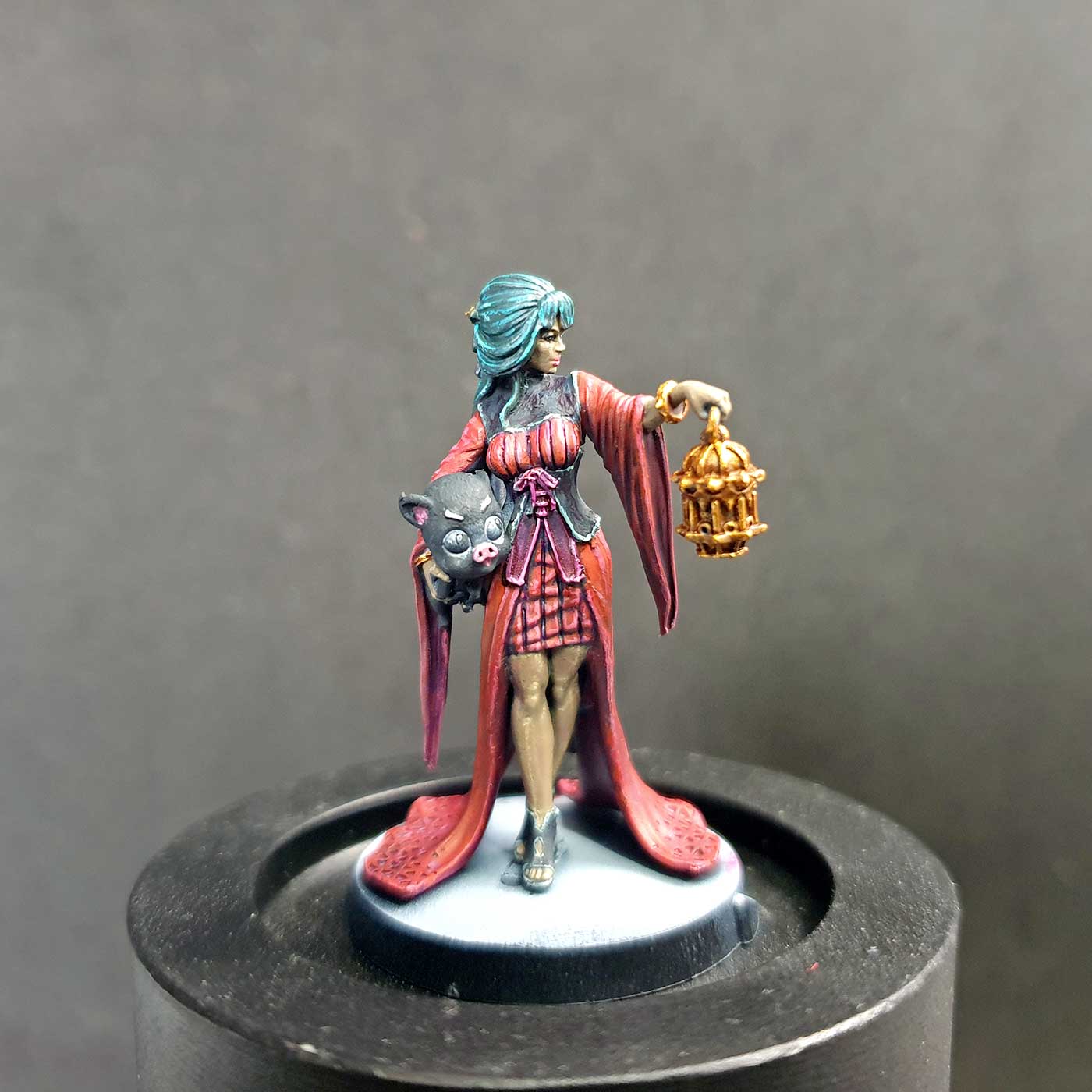
Beginners now have a clear, actionable map to get from blank mini to display piece, with step-by-step technique reminders, tool guidance, and cautions about early pitfalls. That matters because the hobby often overwhelms newcomers with options; this compilation distills what to buy first, how to prep, and which techniques to learn first.
Start where the work begins: prep and block-in. Watchtowergaming explains, “Block-In - The first step to painting your miniature is to create a ‘block-in’, or base coat. This will ensure that you don’t accidentally leave any part of the miniature unpainted.” Avoid painting around details at this stage: “It’s important to avoid painting around details, as you’ll likely paint over them and miss the opportunity to create depth and interest in your miniature.” If a sculpt is busy, sketch the scheme on paper before committing.
Paint choices and palettes are straightforward. Watchtowergaming notes, “Acrylic paints are good for beginners as they’re easier to use and create bolder colors. Enamel paints are thicker and provide a more matte finish. Watercolor paints are the most difficult to use, as they are very thin.” For metallics, Reddit’s beginner wiki is explicit: “Non Metallic Metal is not recommended for true beginners... Beginners should start with metallic pigment paints.” For mixing and shading, Watchtowergaming shows simple recipes: “Washes are a great way to quickly create shadows and depth… You can create a wash by mixing the paint with water in a cup. Dip a large brush into the paint and apply the wash to the miniature,” and “Glazing is similar to layering but uses far less paint. Instead of applying a second coat of paint, thin the first coat with water and brush it over the surface. You can also add a drop of paint to turpentine to create a glaze.”
Brushes and surfaces matter. Watchtowergaming warns that “a bristled brush (i.e. the typical house brush) is not recommended for miniature painting as it is too rough and will damage the miniature’s surface. It’s best to use a brush with a synthetic hair, such as a round fan brush or an angular brush.” Creativetwilight adds depth on care and selection, saying “This is a subject I’ve covered about miniature paint brushes. That article breaks down what a brush is, how to care for your brushes, and recommended brushes to buy.” For a budget palette, Watchtowergaming suggests you can improvise: “A palette is a miniature painting tool that can be bought or made. You can also use an old dish or cup.”

Technique progression follows tradition. Polygon sums layering up: “The most traditional method of painting miniatures uses base layers and highlight layers, applied with small brushes, to build up detail on a miniature.” For an alternative path, Polygon highlights Artis Opus: “Its signature style of painting relies on big, poofy, makeup-style brushes and a specially textured palette. While beginners will have more success with larger models, including terrain, it can also be combined with layer painting for smaller miniatures as well.”
Practice and community matter as much as gear. Polygon captures the payoff: “Painting miniatures is a good, chill time. Since I picked the hobby back up in 2017 I’ve spent hundreds of hours away from my screens, listening to good music and great podcasts.” Reddit’s wiki flags timings and limits: “Airbrushing is generally something to wait until you get some experience with the basics.”
What this means for you: start with a reliable acrylic set, a few synthetic brushes, a simple palette, and practice block-in, layering, washes, and glazing. Hold off on airbrushes and nonmetallic-metal experiments until you have brush control. Seek brush-care and varnish advice from dedicated pieces such as Creativetwilight’s brush guide, and use community galleries and forums to track progress. With these priorities, you can spend beginner hours building skill rather than buying gear, then expand into terrain, Artis Opus methods, and harder effects as you grow.
This article was produced by Prism’s automated news system from verified source data, official records, and press releases, then run through automated quality and moderation checks before publishing. The system is built and supervised by the people who set the standards it runs under. Read our full AI policy.
Did this article answer your question?