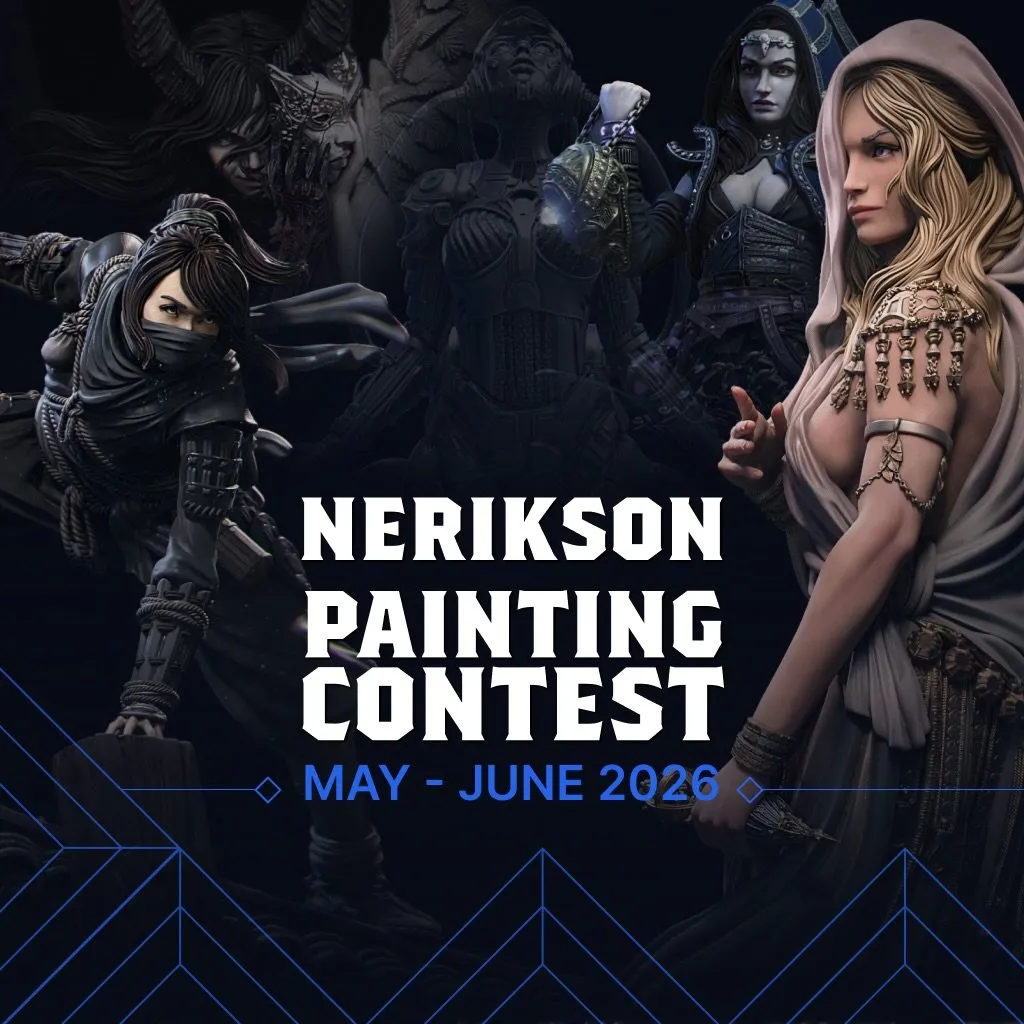
Prusa shows how 3D-printed stencils can level up miniature painting
3D-printed stencils let you airbrush custom masks fast, so you can add repeatable camouflage, insignia, and panel effects without waiting for niche accessories.
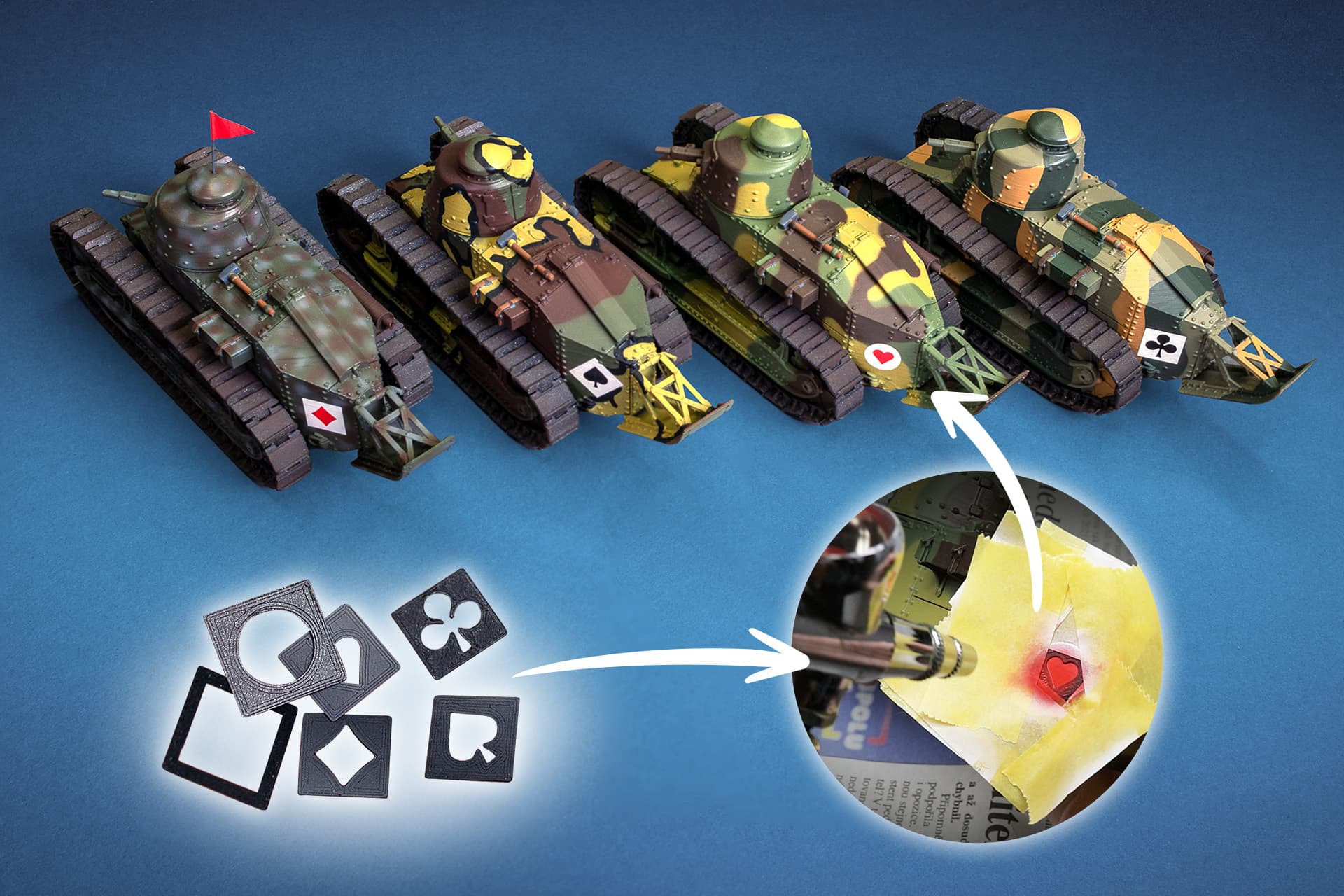
3D-printed stencils turn an airbrush into a far more precise tool for miniature painting. Instead of forcing a generic masking sheet to work on a cloak fold, an armor plate, or a curved vehicle hull, you can make a template that matches the model and the effect you actually want. That is the real leap here: more control over patterning, cleaner edges, and far less compromise.
Prusa’s approach is especially attractive because it solves a very familiar bench-top problem. Commercial stencil packs and masking products exist, but they are often the wrong size, the wrong shape, or simply not in your hands when you need them. A custom stencil removes that bottleneck, giving you a way to design on demand, print quickly, and keep moving while the paint session is still fresh.
How the workflow stays simple enough to try right away
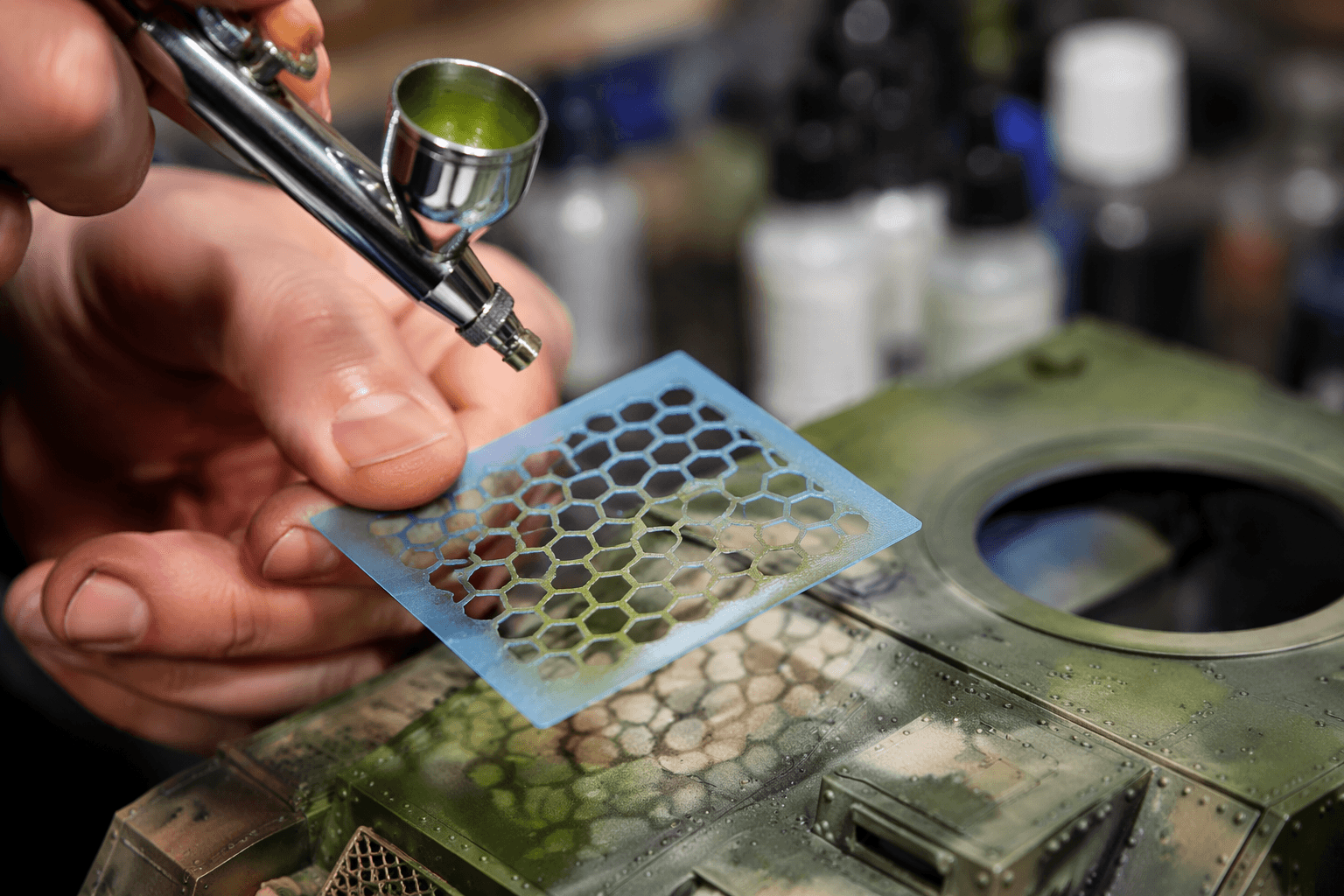
The appeal is not just customization, but speed. Prusa says the stencil workflow can start in a vector editor such as Inkscape, then be converted into a 3D object with a single command, which keeps the whole process approachable even if you have not spent much time in CAD. That makes it a clean starter exercise for anyone who wants to learn design, conversion, and printing without jumping into a long project.
The turnaround is fast enough to matter during an active hobby session. Prusa describes the project as beginner-friendly and quick to print, with individual stencils taking less than an hour, and a whole set of shapes possible in a single afternoon. That short feedback loop matters because it lets you test a shape, revise it, and print a better version before the momentum of the project disappears.
This is also why the method feels practical rather than gimmicky. You are not buying a one-off accessory and hoping it helps later. You are making the exact mask, shield, or cutout your miniature currently needs, then iterating until the effect lands the way you want.
What opens up on cloaks, armor panels, vehicles, and bases
For miniature painters, the biggest payoff is the range of effects that suddenly become repeatable. On cloaks and organic surfaces, custom stencils help you introduce controlled patterning instead of relying on freehand alone. On armor panels and vehicles, they make it much easier to lay in camouflage blocks, panel modulation, hazard markings, and insignia that stay crisp across repeated models.
The same logic carries over to bases and larger scenic pieces. If you want a consistent texture break, a geometric marking, or a sharp shape repeated across an army, a stencil gives you a reusable guide rather than a one-off improvisation. That is especially useful when you are painting tabletop armies or scale models where matching elements across a force matters as much as making one model look good.
This method also solves one of the most annoying masking problems better than off-the-shelf products: curved surfaces. A flat commercial mask can fight against a shoulder pad, tank side, or dragon bust, but a custom-printed template can be built around the actual silhouette of the piece. The result is less wrestling with tape and more time spraying the effect you came for.
Who benefits most from this upgrade
If you already airbrush miniatures, this is an obvious quality-of-life upgrade. You get cleaner transitions, more repeatability, and a way to build advanced masking into your normal workflow without filling your drawer with niche products. If you paint display miniatures, tabletop armies, or 3D-printed models, the payoff is even bigger because those categories often demand fast, consistent pattern work.
It is also a strong entry point if you are new to vector drawing or basic CAD. Prusa frames the stencil project as a good beginner exercise because the design-to-print loop is so tight, and because the process teaches skills you can reuse on later projects. In practical terms, that means you are not only making a stencil, you are learning how to turn an idea into a tool with very little overhead.
How this fits into Prusa’s wider painting curriculum
The stencil guide sits inside a much broader Prusa Academy push into painting education. The airbrush course, Airbrush Your 3D Prints: From Basics to Advanced Tricks, is aimed at hobby airbrush painting of 3D prints, miniatures, and scale models, and Prusa says it is suitable for total beginners. It also includes two exclusive 3D models and step-by-step projects built around a Stargate fighter, a crystal dragon bust, and a Renault FT17 tank quartet.
That matters because the stencil technique is not being presented as a random hack. It is part of an educational path that also includes Prusa’s earlier Miniature Painting for Beginners course, which covers busts and tabletop gaming minis, plus the postprocessing course that deals with gluing, filling, sanding, complete painting, and methods for enhancing details. Prusa Academy itself is built as a library of online courses with pictures, short videos, quizzes, and certificates of completion, so the stencil workflow lands in a system designed to teach by doing.
For painters, that makes the takeaway simple. Custom stencils are not just a neat 3D printing trick, they are a practical way to get better airbrush results on the models you already own. The biggest gain is control, and on a crowded painting desk, control is often the difference between a workable mask and the effect you actually wanted.
This article was produced by Prism’s automated news system from verified source data, official records, and press releases, then run through automated quality and moderation checks before publishing. The system is built and supervised by the people who set the standards it runs under. Read our full AI policy.
Did this article answer your question?