Step-by-Step Beginner Workflow for Painting Miniatures Including Tools and Safety
Learn a clear, beginner-friendly workflow to prep, paint, and finish miniatures safely, with tool lists, mounting tricks, and practical tips you can use now.
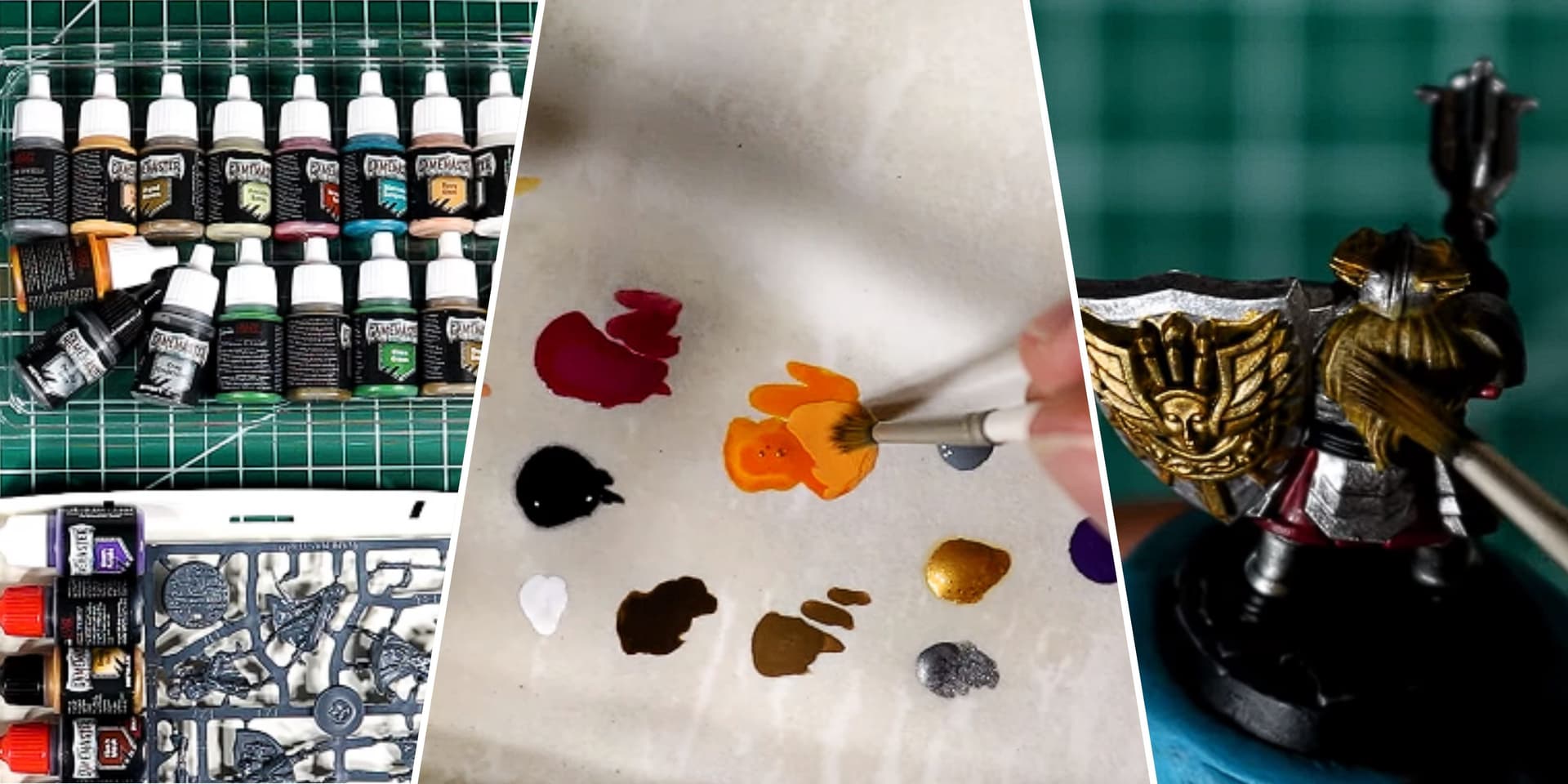
Miniature painting is a chain of small, deliberate choices: clean parts, prime smart, block in broad colors, build depth with layers and washes, then finish with highlights and varnish. The reference as an evergreen primer is captured in the original review: "Evergreen guide (for beginners), summary and reasons to keep it in your kit (published originally Oct 29, 2020; included here as evergreen content): Why this is included as evergreen: Dicebreaker’s starter guide is a high-quality, broadly applicable step-by-step primer. Because the last 7 days of"
1. Preparation (cleaning, sketching, planning)
Start by washing parts in warm soapy water and letting them completely dry to remove mold-release and oils, "Don’t forget to wash minis in soapy water and let them completely dry!" This step improves paint adhesion and prevents flaking later. If the miniature is busy, sketch color placement on paper first so you can spot composition problems before paint goes down: "If you have a complicated miniature, you may want to sketch out the design on paper first to make sure it works." Decide a simple palette up front to keep the piece coherent and manageable.
2. Priming (why, when, and how)
Primer is essential to give paint something to bite into, "Primer is a must. Colored primers make painting a mini go faster (use the color most used in the end product)." Spray technique matters: "Make sure to stay within 6-8” between spray nozzle and the mini, and don’t overdo it. Multiple thin passes are better than a single, thick one." Prime outdoors or in very well-ventilated space, keep the can upright, and apply several thin passes rather than one thick coat to avoid obscuring details.
3. Mounting and handling while painting
Mount your mini to a handle for control and access, a paint mixing stick wrapped in masking tape or a proper painting handle works well. Polygon’s tip is simple and effective: use a paint mixing stick covered sticky-side-out so "Just stick your minis on and go." A handle keeps fingers off wet areas, saves brush cleanup, and makes spray priming easier because spray cans don’t like being used upside down or tilted.
4. Block-in / Basecoat
Block-in is the base stage that prevents missed spots and sets major color zones: "Block-In - The first step to painting your miniature is to create a 'block-in', or base coat. This will ensure that you don’t accidentally leave any part of the miniature unpainted." Paint broad areas cleanly without obsessing over tiny edges, you’ll refine them later. Keep base tones consistent with your palette so subsequent layers harmonize.
5. Layering (traditional build of form)
Layering builds depth by stacking thinner coats from darkest to lightest or bottom to top; think of it as a small-scale sculpture in paint. The classic order is "from the bottom up", for example, paint padding, then mail, then armor plates, neatening edges as you go so each layer reads cleanly. For beginners, stick to one or two highlights and shadows per area; layering is like a pyramid where each layer is slightly smaller than the last.
6. Glazing (subtle color shifts)
Glazes are ultra-thin paint layers used to shift hue or smooth transitions; thin your paint heavily with water or turpentine and brush it over the surface to tint the underlying layers. Watchtowergaming notes you can "add a drop of paint to turpentine to create a glaze." Use glazes to warm or cool midtones, correct color, or add richness without covering fine detail.
7. Shading and washes
Washes add quick, consistent shadows and definition to recessed details, they can be commercial inks/washes or DIY mixes of paint thinned with water. "Washes are a great way to quickly create shadows and depth," and you can "create a wash by mixing the paint with water in a cup. Dip a large brush into the paint and apply the wash to the miniature." Note product differences: some branded "quickshade" products in cans are varnishes and slow to dry, while bottled versions act like washes and can be thinned or mixed.
8. Drybrushing (fast texture and soft highlights)
Drybrushing creates soft highlights over raised detail by loading a brush, wiping most paint off, then dragging it across protruding surfaces. Polygon sums it neatly: "Just get a brush, put some paint on it, then wipe nearly all of that paint off. Drag that dry brush against the sharper details on your miniature and voila, off comes the paint." For more control, follow the YouTube procedural tip: mix a graded set of tones, use a domed brush, remove most paint on a paper towel, and apply with downward strokes so the edges pick up the pigment.

9. Edge highlighting (crisp accents)
Edge highlighting gives crisp, focused light on corners and thin edges to make shapes pop on the tabletop. Use a small, pointed brush and thin paint; place single strokes on edges to emulate reflected light. Edge highlighting pairs well with drybrushing, the latter builds atmosphere, the former sells sharpness.
10. Painting small details (eyes, fur, metal accents)
Tackle eyes and other focal details when you have steady control, many painters "frequently do the eyes before I do anything else" to anchor the face. Watchtowergaming suggests working details while paint is still wet to reduce mistakes, and small brushes with a steady hand will make tiny highlights and textures readable from gaming distance.
11. Finishing touches and varnishing
Finish by checking contrast, tidying edges, and sealing the model. Be aware of product differences: "those in cans are a varnish and can need several days to dry. They will likely be shiny and need some matte varnish over the top. They only come in three colors, and minis can be dipped into them. The quickshade in bottles are different, though. They are washes." Use spray varnish or brush-on sealers as you prefer, and test on a spare bit if you’re unsure about sheen.
12. Advanced model prep: pinning and gap filling
For heavier assemblies and conversions, pin parts for strength: drill matching holes, glue an appropriately sized wire (pin), then glue parts together. As one tutorial explains, "pinning is done by drilling a hole into both pieces of your model with a small Dremel then glue appropriately sized wire into the hole then applying glue to both the model and the PIN." Fill gaps with milliput or green stuff, "I prefer milliput as it can be sanded but green stuff holds better detail", mix equal parts, shape, and smooth with damp silicone tools or a damp fingertip.
- Paints: acrylics are beginner-friendly; enamel and watercolor exist but acrylic is easiest to manage.
- Brushes: small detail brushes, a large wash brush, and a domed drybrush.
- Palette: a wet palette is highly recommended, especially in dry climates.
- Primers: at least one aerosol primer (consider a colored primer matching dominant tones).
- Mounting: paint mixing stick + masking tape or a Citadel Painting Handle.
- Fillers and tools: milliput, green stuff, silicone sculpting tools, paper towels, masking tape, optional Dremel and wire for pinning.
- Sealers: varnish spray and bottle washes/quickshade as desired.
13. Tools, materials, and starter consumables
Build a compact starter kit so you don’t overcomplicate decisions:
An example starter setup someone mentioned uses the Army Painter 60-paint set, a wet palette, brushes, varnish spray, and two primers, that’s a perfectly serviceable launch kit.
14. Environmental, safety, and process tips
Always paint in a well-ventilated area and prime outdoors if possible; aerosols need room and airflow. "Just be sure you’re painting in an open, well-ventilated area and apply thin, even coats of paint." Keep spray cans upright, avoid tipping them, and depress the trigger off-model to prevent drips. Monitor temperature and humidity, paint behavior and drying times change with conditions, and be patient: some varnishes can take days to cure.
15. Reconciling techniques and community practicality
Different creators explain techniques in different ways; combine them into a workflow that fits your pace. Use washes for fast depth, layering for control, glazes for color shifts, drybrushing for texture, and edge highlights for crispness, they’re all tools in the same kit. Keep experiments small, practice on spare bits, and trade tips with local gamers or online painting groups to accelerate learning.
Closing practical wisdom Start with one mini and a limited palette, master the sequence (clean → prime → block-in → layer/wash → highlight → varnish), and build your toolset as problems appear. Consistent habits, washing minis, priming thinly, using a wet palette, and letting layers dry, will speed progress more than chasing every technique at once. Above all, enjoy the slow wins: tabletop-ready miniatures are a collection of small, deliberate strokes, and the community loves seeing each step of that journey.
This article was produced by Prism’s automated news system from verified source data, official records, and press releases, then run through automated quality and moderation checks before publishing. The system is built and supervised by the people who set the standards it runs under. Read our full AI policy.
Did this article answer your question?